What Homeowners Should Know: Mold Inspection in Merritt Island after Water Damage
Water damage is one of the most common reasons homeowners in Merritt Island end up needing a mold inspection. A leaking pipe, roof intrusion after a storm, or an AC drainage issue can leave moisture trapped inside walls, flooring, or insulation. In Florida’s warm and humid climate, damp materials can quickly become an environment where mold begins to grow.
Understanding how mold inspections work—and why they matter after water damage—helps homeowners make informed decisions and avoid long-term structural problems.
What Mold Inspection Actually Means
Many people assume mold inspection is simply looking for visible growth. In reality, a proper inspection focuses on identifying:
- Where moisture is present
- How far it has spread
- Whether conditions are suitable for mold growth
- The source of the moisture
After water damage, mold is often hidden behind drywall, under flooring, or inside duct systems. A thorough inspection aims to locate these areas before repairs are completed.
This is especially important in Merritt Island homes, where humidity levels remain high and moisture can linger longer than expected.
Why Water Damage Often Leads to Mold in Merritt Island
Homes throughout Merritt Island, Cocoa Beach, Rockledge, and Satellite Beach share environmental conditions that increase mold risk:
- High year-round humidity
- Heavy rain and seasonal storms
- Warm temperatures that accelerate growth
- AC systems that produce condensation
- Salt air that contributes to material deterioration
Even small water events—like a slow leak or a minor roof issue—can lead to mold if drying is incomplete.
In older homes, insulation, drywall, and wood framing may already have absorbed years of humidity, making them more vulnerable when water intrusion occurs.
Common Signs Homeowners Notice After Water Damage
Not all mold problems are immediately visible. Many homeowners first notice subtle changes, such as:
- Musty or damp odors
- Paint bubbling or peeling
- Dark staining near baseboards
- Warped wood trim or flooring
- Persistent humidity indoors
These signs may appear days or even weeks after a leak or flooding incident.
Recognizing early indicators helps prevent mold from spreading into larger areas of the home.
Hidden Areas Where Mold Often Develops
A mold inspection after water damage focuses heavily on areas that are easily overlooked. These include:
- Inside wall cavities
- Beneath carpets or padding
- Behind cabinets and appliances
- Attic insulation
- Air ducts and air handlers
- Under laminate or vinyl flooring
Moisture can travel along framing and settle in unexpected places, which is why surface cleaning alone rarely solves the problem.
Professional inspections aim to locate moisture pockets that cannot be seen from the surface.
Why DIY Inspection Can Miss Important Details
Homeowners sometimes try to inspect for mold themselves by looking for discoloration or odors. While this can help identify obvious problems, it often misses:
- Hidden moisture behind walls
- Damp insulation in ceilings or attics
- Mold growth inside HVAC systems
- Slow leaks inside plumbing lines
Professional inspections use specialized tools to locate moisture and evaluate the extent of the issue more accurately.
Skipping this step sometimes leads to repairs being done over damp materials, which allows mold to return later.
Tools Used During a Professional Mold Inspection
A thorough mold inspection typically involves several methods to identify moisture and contamination:
Moisture meters help determine how much water is present in drywall, wood, and flooring.
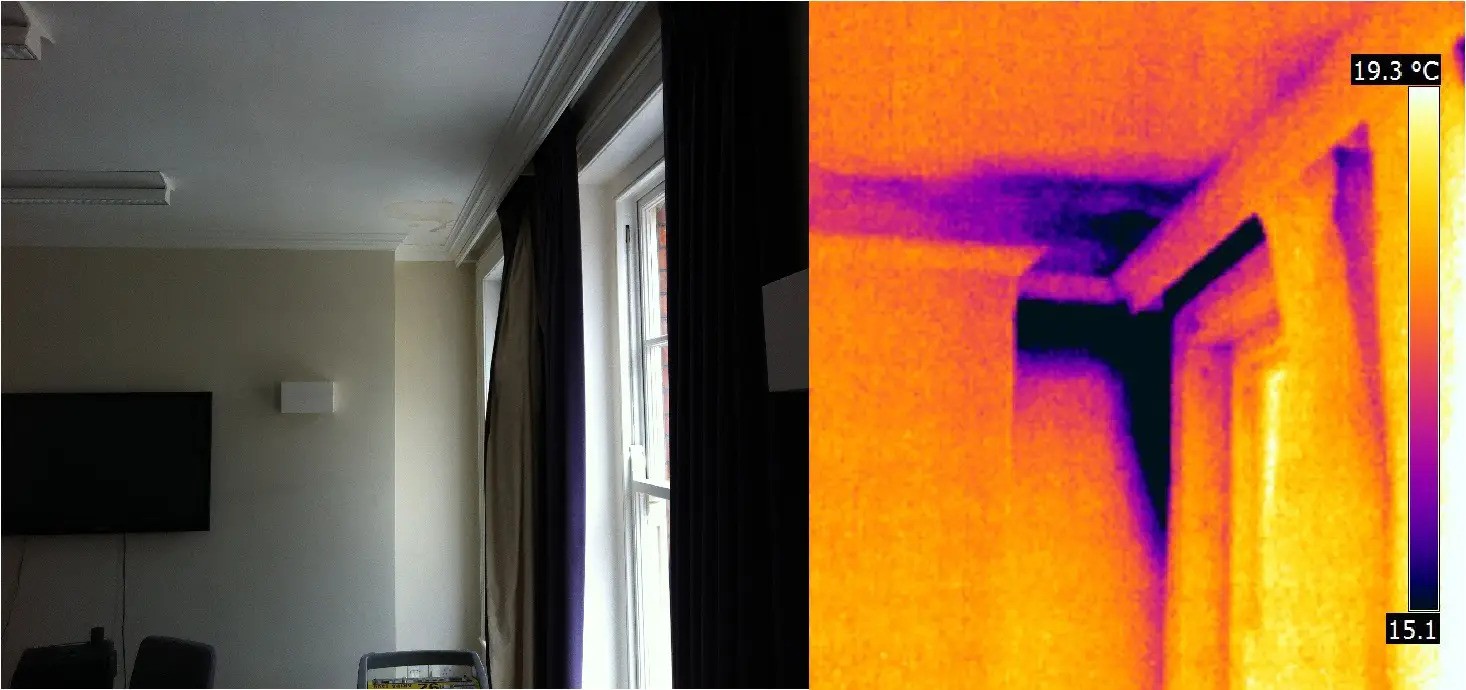
Thermal imaging cameras detect temperature differences that may indicate hidden moisture.
Humidity measurements evaluate indoor air conditions that may encourage mold growth.
Visual inspections of attics, crawl spaces, and HVAC systems identify areas prone to moisture accumulation.
In some cases, testing may be recommended when the extent of contamination is unclear or when mold is suspected but not visible.
What Happens If Mold Is Found
If mold growth is confirmed, the next step is determining the best way to address it. The approach depends on:
- The size of the affected area
- The materials involved
- How long moisture has been present
- Whether the source of water has been corrected
Mold removal may include:
- Removing damaged drywall or insulation
- Cleaning structural surfaces
- Drying affected areas thoroughly
- Correcting the moisture source
The goal is not only to remove mold but also to prevent it from returning.
The Role of Water Damage Restoration
Mold inspection is often only one part of the process. If materials remain wet, restoration steps are necessary before repairs can begin.
Water damage restoration may involve:
- Extracting standing water
- Using dehumidifiers and air movers
- Monitoring moisture levels over several days
- Removing unsalvageable materials
Drying is critical. Even slightly damp materials can support mold growth in Florida’s climate.
Proper restoration ensures the structure is dry before rebuilding or repainting.
HVAC Systems and Mold Risk After Water Damage
In Merritt Island homes, HVAC systems often play a role in mold problems after water damage.
Common issues include:
- Clogged condensate drain lines
- Moisture inside air handlers
- Damp duct insulation
- Poor airflow in humid conditions
When mold develops inside ducts or air handlers, spores can circulate through the home, making the problem more widespread.
Inspection of HVAC components is often part of a complete mold evaluation, particularly when odors or humidity issues persist.
Preventing Mold After Water Damage
Homeowners can reduce the risk of mold by taking a few practical steps:
- Address leaks immediately
- Dry wet materials within 24–48 hours
- Keep indoor humidity controlled
- Maintain AC systems regularly
- Inspect roofs and gutters after storms
Routine maintenance plays a significant role in preventing moisture problems in coastal Florida homes.
Why Local Experience Matters
Mold inspection in Merritt Island requires understanding how local climate conditions affect buildings. Coastal humidity, heavy rainfall, and salt air influence how moisture behaves and how quickly mold can develop.
Homes in Merritt Island, Palm Bay, Melbourne, and nearby Brevard County communities often share similar construction styles and ventilation patterns, but each property has unique factors that affect moisture movement.
Professionals familiar with local conditions—such as Palm Bay Mold Removal—understand where to look first and how to identify moisture problems efficiently while minimizing unnecessary disruption.
A Calm and Practical Next Step
If your home has experienced water damage and you notice musty odors, stains, or lingering dampness, scheduling a mold inspection is a practical first step. Early inspection helps identify hidden moisture, guide proper drying, and prevent recurring mold problems.
Water damage doesn’t always look serious at first, but addressing it thoroughly protects both the structure of your home and your long-term maintenance costs.