
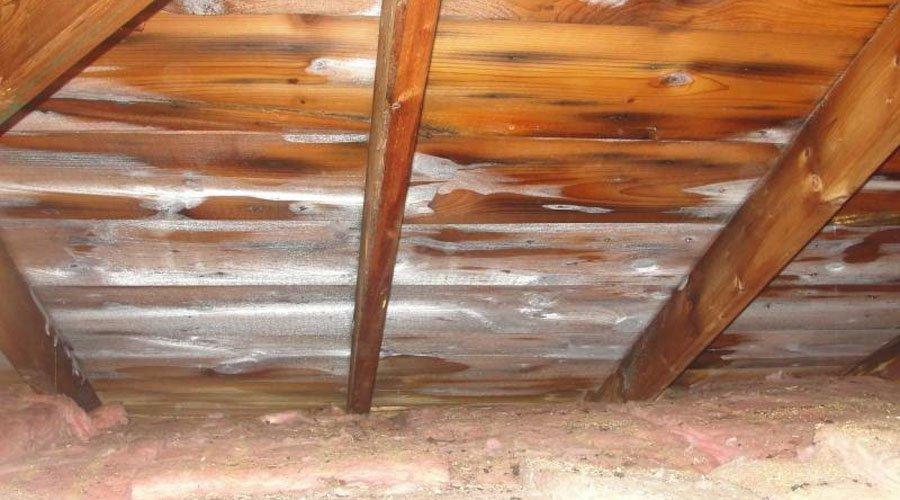
Rainy season in Titusville brings much-needed relief from intense heat, but it also creates ideal conditions for hidden moisture problems inside homes. Many homeowners assume water damage only happens after visible flooding or plumbing failures, yet excess moisture often develops quietly during long periods of rain and humidity. Without proper detection, these problems may lead to mold growth and structural damage before homeowners even realize something is wrong.
Understanding how moisture detection works and why it becomes critical during rainy months helps Titusville homeowners protect their homes from long-term damage. This guide explains what property owners should know about moisture detection and how early action prevents costly repairs.
Understanding Moisture Problems During Rainy Season
Moisture detection focuses on identifying damp areas inside building materials before serious damage occurs. During Titusville’s rainy season, constant humidity and repeated storms allow water to seep into homes through small openings or ventilation weaknesses.
Even when no flooding occurs, moisture may enter through roofing materials, windows, doors, or poorly ventilated spaces. Once inside, moisture spreads into drywall, insulation, and framing materials where it becomes trapped.
Hidden dampness allows mold to grow and weakens structural materials. Moisture detection services locate these hidden areas so corrective action can be taken early.
Why Rainy Season Causes Moisture Problems in Titusville
Titusville’s coastal location exposes homes to high humidity levels throughout much of the year, but rainy season intensifies the risk. Frequent storms, heavy rainfall, and warm temperatures slow natural drying and allow moisture to remain indoors longer.
Roof systems become vulnerable after years of sun and storm exposure. Wind-driven rain may enter through minor roof or siding weaknesses. Gutters clogged with debris can overflow, directing water toward walls or foundations.
Air conditioning systems also work harder during humid weather, sometimes producing excess condensation that contributes to indoor moisture problems.
Nearby communities such as Merritt Island, Cocoa Beach, and Rockledge experience similar challenges, making moisture detection important throughout Brevard County.
Common Warning Signs Homeowners Notice
Moisture problems rarely appear suddenly. Instead, homeowners typically notice subtle signs before serious damage occurs.
Common indicators include musty odors developing after storms, condensation forming on windows or vents, peeling paint, or bubbling drywall. Some homeowners notice soft or warped flooring areas following periods of heavy rain.
Ceiling stains may appear days after storms, signaling hidden roof leaks. Increased indoor humidity or recurring mold spots in corners or closets also indicate moisture buildup.
These warning signs usually mean moisture is trapped somewhere inside the home and requires professional inspection.
Hidden Areas Where Moisture Develops
Some moisture problems remain unnoticed because they occur in areas homeowners rarely inspect.
Attics often develop condensation when ventilation is insufficient, especially after repeated storms. Crawl spaces can trap damp air, allowing moisture to rise into floors above.
Walls surrounding plumbing fixtures sometimes conceal slow leaks that worsen during rainy season. Air conditioning ducts located in ceilings may also create condensation when insulation is inadequate.
Closets placed against exterior walls often experience limited airflow, allowing humidity to accumulate behind stored items. Professional inspections frequently uncover moisture in these hidden areas before visible damage appears.
Why DIY Moisture Checks Often Miss the Problem
Many homeowners attempt to locate moisture using visual inspections or inexpensive handheld tools, but hidden moisture is difficult to detect without professional equipment.
Surfaces may appear dry while insulation or framing materials remain damp. Store-bought meters often fail to detect moisture deeper inside walls or ceilings.
As a result, homeowners may repair visible symptoms without addressing the true moisture source. Professional moisture detection tools provide accurate readings and allow technicians to trace moisture back to its origin.
Professional Moisture Detection Process Explained
Professional moisture detection follows a systematic approach to ensure accurate results.
Inspection Walkthrough
Technicians begin by evaluating the home and discussing recent storm exposure or moisture concerns with homeowners.
Moisture Meter Testing
Professional-grade meters measure moisture inside walls, floors, and ceilings, identifying damp materials invisible from the surface.
Thermal Imaging Scanning
Thermal cameras detect temperature differences indicating hidden moisture without damaging walls or ceilings.
Source Identification
Inspectors examine roofing, plumbing, HVAC systems, and ventilation areas to determine how moisture entered the home.
Humidity and Ventilation Assessment
Indoor humidity levels and airflow patterns are evaluated to identify ventilation issues contributing to moisture buildup.
Homeowners receive clear explanations along with recommended repair or drying steps to prevent further damage.
How Moisture Detection Prevents Mold Growth
Mold growth depends on moisture. When damp materials remain untreated, mold spreads quickly behind walls or ceilings.
Moisture detection helps eliminate hidden dampness before mold contamination develops. Professionals serving Titusville and surrounding communities, including Palm Bay Mold Removal, emphasize that moisture control is the most effective strategy for preventing mold problems.
Early detection allows homeowners to avoid large remediation projects later.
Connection Between Moisture Detection and Water Damage Repair
Moisture detection also supports water damage restoration efforts after storms or plumbing failures. Even when standing water is removed, hidden moisture often remains trapped inside materials.
Detection tools help restoration teams determine where additional drying is required. Proper drying prevents structural weakening and mold growth after repairs are completed.
Without accurate detection, moisture may remain hidden and create recurring problems weeks later.
Air Conditioning Systems and Rainy Season Moisture
Air conditioning systems play a critical role in managing indoor humidity, but they sometimes contribute to moisture problems.
Clogged condensate drain lines may overflow, adding moisture inside ceilings or walls. Restricted airflow or poorly insulated ducts create condensation that spreads through hidden spaces.
Routine HVAC maintenance helps reduce these risks and ensures systems effectively control humidity during rainy season.
Keeping ventilation systems functioning properly improves both indoor comfort and moisture control.
Preventive Steps Homeowners Can Take
Titusville homeowners can reduce moisture risks during rainy season through proactive maintenance.
Roof inspections should be scheduled annually and after storms to identify potential leaks. Gutters should be cleaned regularly to ensure proper drainage away from foundations.
Windows and doors should be checked for seal deterioration. Plumbing leaks should be repaired promptly to prevent moisture accumulation.
Air conditioning systems should receive routine servicing, and dehumidifiers may help control humidity in problem areas. Improving attic and crawl space ventilation also helps moisture escape.
Routine inspections and small repairs prevent large restoration expenses later.
Why Local Experience Matters
Moisture problems vary depending on climate and construction styles. Professionals familiar with Titusville homes understand how Florida’s humidity and storm patterns affect local properties.
Experience serving nearby communities such as Viera, Satellite Beach, and Melbourne allows inspectors to recognize common moisture patterns quickly and recommend effective solutions.
Local expertise helps homeowners prevent recurring moisture issues rather than temporarily addressing symptoms.
A Practical Next Step for Homeowners
Moisture problems during rainy season often develop quietly, but early detection keeps repairs manageable. Professional inspections help homeowners understand what is happening inside their homes before damage spreads.
When musty odors, stains, or humidity concerns appear, scheduling moisture detection services provides clear answers. Experienced local providers, including Palm Bay Mold Removal, assist homeowners in identifying hidden moisture and correcting ventilation or leak issues.
By addressing moisture early and maintaining proper ventilation, Titusville homeowners can keep their homes dry, comfortable, and protected from long-term water damage throughout Florida’s rainy season and beyond.