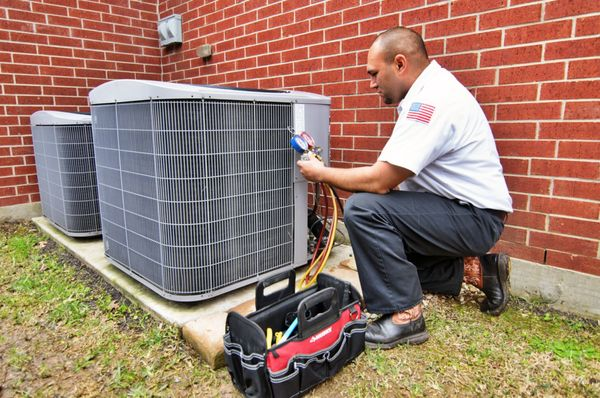
What Homeowners Should Know: Indoor Air Quality Improvement in Palm Bay from AC Condensation
For homeowners in Palm Bay, maintaining good indoor air quality is essential, particularly in a humid subtropical climate. Air conditioning systems, while providing comfort, can inadvertently contribute to poor air quality if condensation is not properly managed. AC condensation is a common source of indoor moisture, which can lead to mold growth, dust accumulation, and other contaminants that compromise the health and safety of residents.
This guide outlines what homeowners need to know about indoor air quality improvement in Palm Bay, including the causes of poor air quality from AC condensation, warning signs, practical solutions, costs, and preventive strategies.
Understanding AC Condensation and Indoor Air Quality
Air conditioning systems remove heat and humidity from indoor air. During this process, moisture condenses on cooling coils and is typically drained away through condensate lines. However, problems arise when:
- Drain lines are clogged or malfunctioning
- AC units are improperly maintained
- Excessive condensation occurs due to high humidity
- Water pools in drip pans or around ducts
This excess moisture becomes a breeding ground for mold, bacteria, and dust mites, all of which degrade indoor air quality.
Common Causes of Poor Indoor Air Quality from AC Condensation
- Clogged Condensate Drains
- Leaves, dust, and debris can block drainage, causing water to overflow into the HVAC system or home.
- Improperly Sized or Maintained AC Units
- Oversized or poorly maintained units may not effectively dehumidify air, leading to condensation buildup.
- Leaky Ductwork
- Moisture can escape from ducts, increasing humidity and fostering mold growth in hidden areas.
- High Coastal Humidity
- Palm Bay’s climate keeps indoor humidity elevated, especially in older homes without proper ventilation.
- Neglected AC Maintenance
- Dirty coils, filters, or drip pans create ideal conditions for microbial growth.
- Standing Water in Drip Pans
- Overflowing or stagnant water can release mold spores into the air circulating through the home.
Early Signs That AC Condensation is Affecting Air Quality
Homeowners should watch for subtle indications of poor indoor air quality:
- Musty or Moldy Odors
- Persistent damp or earthy smells indicate microbial growth.
- Visible Mold
- Mold may appear near vents, drip pans, or along ducts.
- Excess Humidity
- Condensation on windows or walls signals elevated indoor moisture levels.
- Allergy Symptoms
- Increased sneezing, coughing, or eye irritation inside the home.
- Reduced HVAC Efficiency
- AC units may struggle to cool or dehumidify, increasing energy bills.
- Dust Accumulation
- Dust may settle more quickly due to higher humidity, indicating poor air circulation.
Step-by-Step Solutions for Improving Indoor Air Quality
Step 1: Professional AC Inspection
- Schedule a technician to inspect your AC unit, condensate lines, and drip pans.
- Ensure the unit is sized appropriately and operates efficiently.
Step 2: Clean Condensate Drain Lines
- Remove blockages to prevent water backup and overflow.
- Use appropriate biocides to prevent microbial growth in drain lines.
Step 3: Clean Coils and Filters
- Evaporator and condenser coils should be free of dirt and mold.
- Replace filters regularly to prevent dust and debris circulation.
Step 4: Remove Standing Water
- Empty and sanitize drip pans.
- Check for leaks in ductwork or AC components.
Step 5: Dehumidification
- Install or maintain a whole-house dehumidifier if necessary.
- Maintain indoor humidity between 40–60% to prevent mold growth.
Step 6: Mold Remediation
- If mold is present, employ professional remediation to remove spores safely.
- Apply antimicrobial treatments to AC components and surrounding surfaces.
Step 7: Air Quality Testing
- Consider periodic testing for airborne particulates, mold spores, and VOCs.
- Use results to adjust HVAC maintenance schedules and filtration.
Preventive Measures for Palm Bay Homeowners
- Routine AC Maintenance
- Schedule inspections at least twice a year, ideally before summer and winter.
- Filter Upgrades
- High-efficiency particulate air (HEPA) or MERV-rated filters improve air quality.
- Proper Ventilation
- Ensure exhaust fans and vents operate effectively to remove excess moisture.
- Control Indoor Humidity
- Use dehumidifiers and monitor humidity with hygrometers.
- Seal and Insulate Ducts
- Prevent leaks and reduce condensation buildup in ductwork.
- Immediate Leak Repairs
- Fix dripping pipes, AC leaks, or roof issues promptly.
Costs Associated with Improving Air Quality from AC Condensation
The cost of addressing indoor air quality issues varies based on the extent of contamination and required services:
- AC Inspection and Maintenance: $100–$300
- Drain Line Cleaning and Coil Sanitization: $150–$400
- Dehumidifier Installation: $800–$2,500
- Professional Mold Remediation: $500–$5,000+ depending on severity
- Air Quality Testing: $200–$600
Investing in proper maintenance and preventive measures can save homeowners from higher costs due to extensive mold remediation or HVAC repairs.
Benefits of Indoor Air Quality Improvement
- Health and Comfort
- Reduces allergens, asthma triggers, and microbial exposure.
- Energy Efficiency
- Clean and well-maintained AC units run more efficiently.
- Structural Protection
- Prevents moisture-related damage to walls, ceilings, and flooring.
- Peace of Mind
- Ensures a safe, comfortable, and healthy living environment for family members.
Conclusion
AC condensation is a common but often overlooked source of poor indoor air quality in Palm Bay, especially in older homes. Proper maintenance, regular inspections, and timely remediation are essential to prevent mold growth, allergens, and moisture-related damage.
By monitoring early signs, employing professional services, and implementing preventive measures such as proper ventilation, filter upgrades, and humidity control, homeowners can maintain healthy indoor air, safeguard their properties, and ensure the comfort and safety of all residents. Investing in indoor air quality improvement is not just about comfort—it is about long-term health, efficiency, and property protection.