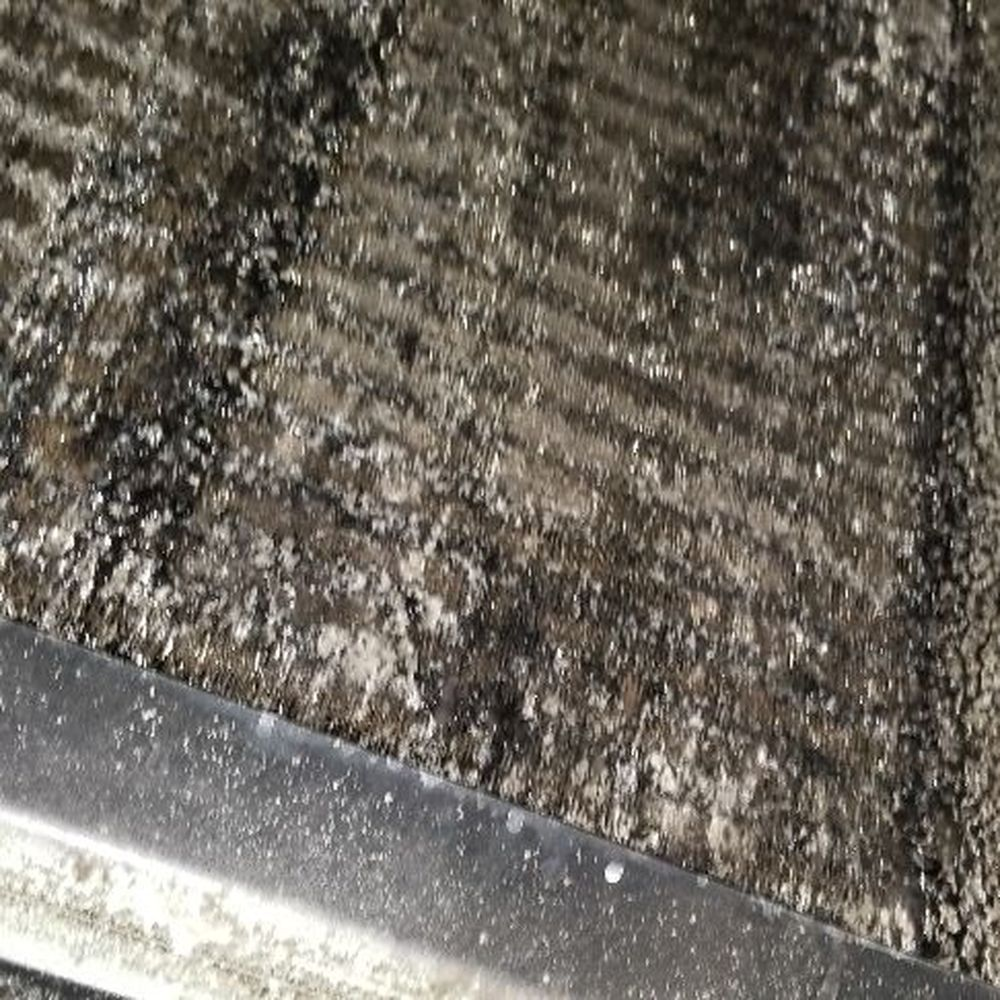
What Homeowners Should Know: Duct Cleaning in Satellite Beach After Water Damage
Homes in Satellite Beach are vulnerable to water damage from hurricanes, heavy rains, plumbing failures, or AC condensation. While visible flooding or leaks are often addressed quickly, one area homeowners frequently overlook is their air duct system. Water damage in ducts can lead to mold growth, microbial contamination, foul odors, and reduced indoor air quality.
Professional duct cleaning after water damage is essential for protecting health, restoring HVAC efficiency, and preventing long-term structural issues. This guide covers the importance, warning signs, cleaning process, and preventive measures for homeowners in Satellite Beach.
Why Duct Cleaning Matters After Water Damage
- Prevents Mold Growth
- Moist ducts provide ideal conditions for mold and bacteria to thrive.
- Protects Indoor Air Quality
- Contaminated air ducts can spread spores and allergens throughout the home.
- Maintains HVAC Efficiency
- Water-logged ducts can restrict airflow, strain the system, and increase energy costs.
- Protects Property and Health
- Reduces damage to ductwork, insulation, and structural components while minimizing respiratory risks.
- Avoids Long-Term Costs
- Timely cleaning prevents the need for extensive repairs or system replacement.
Signs Your Ducts May Need Cleaning After Water Damage
- Musty or Moldy Odors
- Noticeable when the AC or heating system runs.
- Visible Mold or Water Stains
- Around vents, registers, or inside duct openings.
- Excessive Dust or Debris
- Wet dust may stick to duct surfaces, reducing airflow.
- Allergy or Respiratory Symptoms
- Sneezing, coughing, or eye irritation may worsen post-water damage.
- Reduced Airflow or Uneven Heating/Cooling
- Duct contamination or water residue can block air passages.
- Pooling Water or Damp Insulation
- Indicates ongoing moisture issues in the HVAC system.
Professional Duct Cleaning Process After Water Damage
Step 1: Inspection
- Technicians examine ductwork, vents, and HVAC components for water intrusion, mold, and debris.
- Moisture meters and thermal imaging may be used to locate hidden damp areas.
Step 2: Containment
- Seal off the affected area to prevent contaminated air from spreading.
- Use HEPA-filtered negative air machines if mold is suspected.
Step 3: Drying
- Remove residual moisture using industrial fans and dehumidifiers.
- Ensure duct interiors, coils, and drip pans are completely dry.
Step 4: Cleaning
- Brush and vacuum ducts to remove water-damaged dust, mold, and debris.
- Clean HVAC components including coils, drip pans, and condensate lines.
Step 5: Disinfection
- Apply EPA-approved antimicrobial solutions to eliminate bacteria and mold spores.
Step 6: Filter Replacement
- Replace filters with HEPA or high-MERV models to improve air quality and prevent future contamination.
Step 7: System Testing
- Verify airflow, cooling/heating efficiency, and odor elimination before resuming normal operation.
Preventive Measures for Homeowners
- Prompt Water Damage Response
- Address flooding, leaks, and plumbing issues immediately to prevent duct contamination.
- Regular HVAC Maintenance
- Clean and inspect coils, drip pans, and ductwork routinely.
- Monitor Humidity
- Keep indoor humidity below 60% using dehumidifiers or ventilation systems.
- Seal and Insulate Ducts
- Prevent water intrusion and condensation in vulnerable duct sections.
- Install Water Detection Devices
- Early alerts for leaks or flooding in utility areas help prevent duct damage.
- Educate Tenants
- Encourage reporting of leaks, water stains, or unusual HVAC odors in rental properties.
Benefits of Post-Water Damage Duct Cleaning
- Improved Indoor Air Quality
- Reduces mold spores, bacteria, and allergens circulating in the home.
- Enhanced HVAC Performance
- Restores airflow and system efficiency.
- Prevents Mold Recurrence
- Eliminates residual moisture and contaminants.
- Protects Structural Integrity
- Prevents further water-related damage to ductwork and surrounding materials.
- Peace of Mind
- Homeowners can safely inhabit or rent their properties knowing the HVAC system is clean and functional.
Conclusion
Water damage in Satellite Beach homes can silently affect air ducts, creating mold growth, odors, and health hazards. Timely professional duct cleaning is essential to restore indoor air quality, HVAC performance, and occupant safety.
By recognizing early warning signs, implementing proper drying and cleaning procedures, and following preventive maintenance strategies, homeowners can mitigate the risks of water-damaged ducts, preserve property value, and maintain a healthy home environment year-round.