
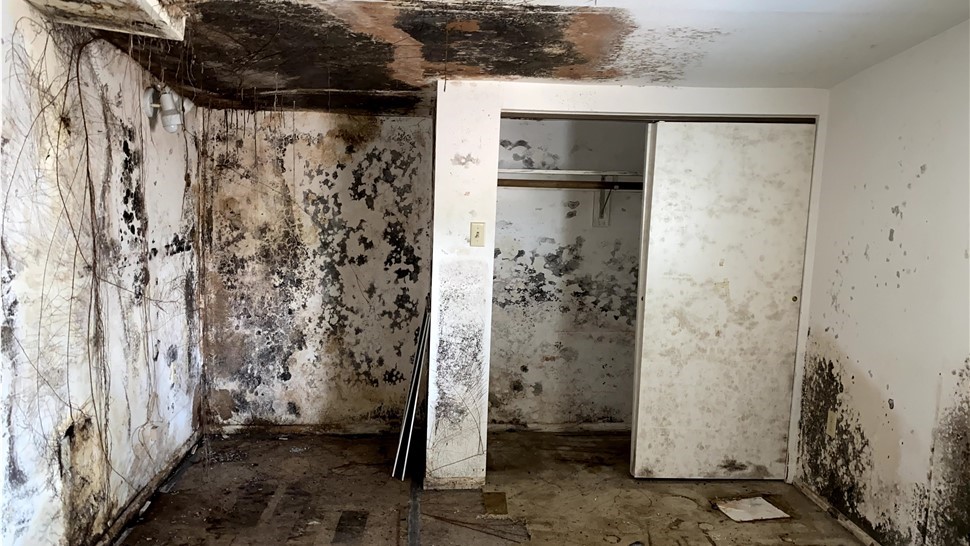
What Homeowners Should Know: Black Mold Removal in Titusville During Rainy Season
Rainy season in Titusville is predictable in one way — it’s going to be wet. Afternoon storms roll in fast, heavy rain falls hard, and humidity stays elevated for months. Even homes that have never flooded can experience moisture buildup during this time of year.
Black mold problems during rainy season often begin quietly. A small roof leak, condensation in the attic, a clogged AC drain line, or minor water intrusion around windows can create just enough dampness for mold to develop. In Florida’s warm, humid environment, it doesn’t take much.
If you own a home in Titusville, understanding how black mold removal works — and what to watch for during rainy season — can prevent small moisture issues from turning into larger structural repairs.
Why Rainy Season Increases Mold Risk in Titusville
Titusville sits near the Indian River Lagoon and experiences long stretches of high humidity from late spring through early fall. During rainy season, homes face:
Frequent heavy downpours
Wind-driven rain
High attic humidity
Extended AC usage
Slow natural drying
Even if your roof appears intact, wind-driven rain can enter through flashing gaps or small seal failures. Moisture can also accumulate inside attic insulation without obvious ceiling stains at first.
Homes in nearby Mims and Port St. John experience similar weather patterns, but Titusville’s mix of older and mid-range homes creates varied ventilation and drainage conditions.
Rain alone doesn’t cause mold. It’s trapped moisture that creates the problem.
Early Warning Signs During Rainy Season
Black mold rarely appears overnight in large patches. During rainy season, early signs may include:
Musty odor after storms
Dark spots along drywall seams
Ceiling stains that expand slowly
Paint bubbling near windows
Soft baseboards
Humidity that remains above 60 percent
If odors worsen when the AC runs, condensation inside ducts may be involved.
Ignoring these signs allows mold to spread behind walls.
Where Black Mold Commonly Develops
In Titusville homes, rainy season mold tends to appear in predictable areas:
Attics with poor ventilation
Around roof decking
Behind bathroom walls
Under window frames
Inside HVAC closets
Beneath carpet padding
Attics are especially vulnerable. When warm, moist air accumulates under the roof, condensation can form along decking and framing.
Without inspection, this moisture remains hidden until stains appear inside the home.
Step-by-Step Black Mold Removal Process
Step 1: Correct the Moisture Source
Before removal begins, the water source must be addressed.
This may involve:
Roof repairs
Flashing resealing
Window sealing
Clearing clogged gutters
Flushing AC condensate lines
Improving attic ventilation
Removing mold without fixing the moisture source leads to recurrence.
Palm Bay Mold Removal often begins Titusville rainy season projects with full moisture detection to confirm that water intrusion has stopped.
Step 2: Professional Mold Inspection
Inspection determines how far contamination has spread.
This includes:
Visual assessment
Moisture meter readings
Thermal imaging
Attic inspection
HVAC evaluation
Surface staining rarely reveals the full scope.
Moisture may extend beyond visible areas.
Step 3: Containment of Affected Areas
Containment prevents mold spores from spreading during removal.
Plastic barriers isolate impacted zones.
Negative air machines create controlled airflow.
HEPA filtration units operate throughout the process.
Containment is especially important in open floor plan homes common in Titusville neighborhoods.
Step 4: Removal of Contaminated Materials
Heavily impacted porous materials may require removal.
This often includes:
Drywall
Insulation
Carpet padding
Baseboards
Ceiling panels
Structural framing can often be cleaned if contamination is surface-level.
Leaving damp, contaminated materials increases recurrence risk.
Step 5: Cleaning and Structural Treatment
After removal, structural components are cleaned thoroughly.
HEPA vacuuming removes residual particles.
Targeted cleaning methods are applied to affected framing.
Odors typically improve significantly once contaminated materials and moisture are eliminated.
Step 6: Controlled Drying and Humidity Stabilization
Rainy season humidity slows drying.
Professional drying involves:
Commercial dehumidifiers
High-velocity air movers
Humidity monitoring
Airflow balancing
Indoor humidity should remain below 60 percent during and after remediation.
Moisture readings confirm materials are stable before reconstruction.
Rebuilding too soon can trap residual dampness.
HVAC and Duct Considerations During Rainy Season
AC systems work harder during rainy season.
Inspection should include:
Checking condensate drain lines
Inspecting drain pans
Replacing filters
Evaluating duct insulation
Damp duct insulation may require replacement.
Proper airflow helps reduce condensation buildup.
Slab Foundations and Groundwater
Many Titusville homes are built on slab foundations.
Heavy rain can raise groundwater levels.
Moisture may migrate upward into flooring and lower drywall sections.
Professional moisture detection confirms slab-related dampness.
Improving exterior drainage helps prevent recurrence.
Preventative Steps for Rainy Season
Homeowners can reduce black mold risk by:
Inspecting roofs before rainy season begins
Cleaning gutters regularly
Sealing window and door frames
Monitoring indoor humidity
Checking attic ventilation
Flushing AC drain lines monthly
Using a hygrometer helps track humidity levels consistently.
Promptly addressing minor leaks prevents larger remediation later.
Why Local Experience Matters
Titusville homes vary in age and construction style. Some older properties have limited attic ventilation. Others rely heavily on garage-mounted air handlers.
Florida’s rainy season creates moisture behavior different from drier climates.
Professionals familiar with Brevard County construction understand how rain patterns, attic heat, and AC usage combine to create mold risk in Titusville homes.
Palm Bay Mold Removal has worked extensively throughout Titusville and surrounding communities, addressing black mold issues specific to Florida’s humid rainy season.
Protecting Your Home During Rainy Season
Black mold removal in Titusville during rainy season requires more than surface cleaning. It demands moisture correction, containment, structural drying, and humidity control.
Ignoring early signs such as musty odor or expanding ceiling stains increases long-term repair costs.
By combining professional inspection, targeted remediation, ventilation improvements, and preventative maintenance, homeowners can protect their properties effectively.
In Florida’s rainy coastal climate, early action and controlled moisture management remain the strongest defense against black mold.