
West Melbourne Water Damage Restoration After Storm Damage: What Homeowners Should Know
West Melbourne, Florida, is no stranger to tropical storms and heavy rainfall. Coastal homes here face unique risks during the storm season, with water intrusion capable of causing significant structural damage, mold growth, and long-term property deterioration. Understanding water damage restoration is essential for homeowners who want to protect their investments, safeguard health, and maintain the value of their properties.
This guide provides a comprehensive overview of water damage restoration in West Melbourne, covering causes, warning signs, restoration processes, costs, and preventive measures to help homeowners navigate post-storm recovery efficiently.
Why West Melbourne Homes Are Vulnerable to Storm-Related Water Damage
West Melbourne’s subtropical climate and proximity to the Atlantic Ocean make homes particularly susceptible to storm-related water damage:
- Heavy Rainfall and Hurricanes: Storms can deliver sudden, intense rainfall, overwhelming drainage systems and leading to flooding.
- Coastal Flooding and Storm Surge: Homes near the Indian River Lagoon or other waterways are at risk for surge-related intrusion.
- High Humidity: Even minor leaks can promote rapid water absorption into building materials.
- Aging Infrastructure: Older roofs, windows, and plumbing may not withstand heavy storm conditions.
These conditions mean that even well-maintained homes can suffer water damage during severe weather events.
Common Causes of Water Damage in West Melbourne Homes
1. Roof Leaks and Damaged Flashing
High winds, hail, and heavy rain can compromise roofing shingles and flashing, allowing water into attics, ceilings, and walls.
2. Flooding from Storm Surge or Heavy Rain
Storms can overwhelm drainage systems, leading to water pooling around foundations or entering homes through doors, windows, and basements.
3. Plumbing Failures
Storms may indirectly contribute to plumbing failures, such as pressure fluctuations or pipe leaks, which exacerbate interior water damage.
4. AC Condensation and HVAC Leaks
Coastal humidity combined with high AC usage can lead to condensate overflow in drain pans and ductwork.
5. Poor Drainage or Foundation Seepage
Improper grading or clogged gutters can allow water to seep into crawl spaces or slab foundations.
Early Warning Signs of Water Damage
Homeowners should watch for the following indicators after a storm:
- Standing water or puddles indoors
- Musty odors or damp smells
- Warping or buckling of wood floors
- Bubbling or peeling paint on walls or ceilings
- Stains or discoloration on walls, ceilings, or floors
- Increased humidity or condensation on windows
- Electrical issues caused by moisture exposure
Prompt recognition of these signs is crucial, as water damage can worsen quickly and lead to mold growth within 24–48 hours.
The Importance of Professional Water Damage Restoration
Professional water damage restoration goes beyond simple drying. Experts in West Melbourne assess, contain, and repair storm-related damage to prevent long-term issues:
- Structural Protection: Ensures floors, walls, and foundations are stabilized and repaired.
- Mold Prevention: Reduces the risk of mold growth by thoroughly drying affected areas.
- Health Safety: Removes contaminated water and debris safely.
- Property Value Preservation: Prevents long-term damage that can reduce resale value.
DIY efforts often fail to address hidden moisture in wall cavities, crawl spaces, or insulation, making professional services essential.
Step-by-Step Water Damage Restoration Process
Step 1: Emergency Assessment
Technicians inspect the property for visible and hidden water damage, determine water sources, and identify structural risks.
Step 2: Water Extraction
High-powered pumps and vacuums remove standing water from floors, carpets, and other surfaces.
Step 3: Drying and Dehumidification
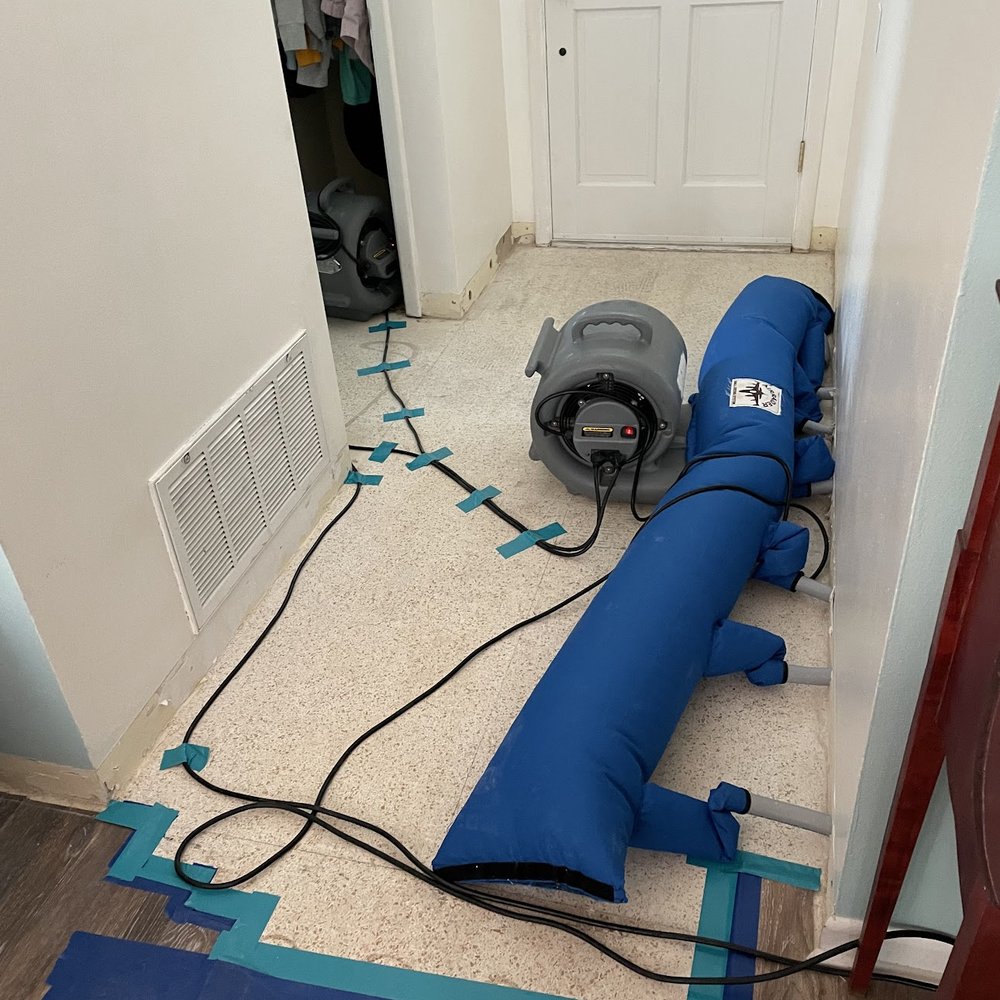
Industrial air movers, dehumidifiers, and fans remove residual moisture from walls, flooring, and crawl spaces.
Step 4: Cleaning and Disinfection
Affected areas are cleaned and treated with antimicrobial solutions to prevent mold and bacteria growth.
Step 5: Damage Repair and Restoration
This may include drywall replacement, flooring repair, painting, and structural reinforcement.
Step 6: Post-Restoration Verification
Technicians ensure moisture levels are within safe limits and provide documentation for insurance purposes.
Costs of Water Damage Restoration in West Melbourne
Water damage restoration costs vary based on several factors:
- Severity of Damage: Minor leaks cost less than extensive flooding or structural damage.
- Affected Area Size: Larger homes or multi-story properties require more labor and equipment.
- Materials and Repairs Needed: Replacement of drywall, flooring, or insulation increases costs.
- Emergency Services: Immediate response services may carry additional fees.
Typical cost ranges for residential restoration:
- Small water damage (single room): $500–$1,500
- Moderate damage (multiple rooms or partial basement): $1,500–$5,000
- Severe or full-home flooding: $5,000–$15,000+
Early intervention reduces restoration costs by limiting structural damage and preventing mold proliferation.
Health Risks Associated with Water Damage
Unaddressed water damage can compromise indoor air quality and pose health risks:
- Mold growth leading to respiratory issues and allergies
- Bacteria and pathogens in contaminated water
- Increased humidity fostering dust mites and other allergens
Restoration professionals mitigate these risks by proper drying, cleaning, and mold prevention techniques.
Preventive Measures for West Melbourne Homeowners
- Roof and Gutter Maintenance
Regularly inspect and repair roofing shingles, flashing, and gutters before storm season. - Proper Landscaping and Grading
Ensure soil slopes away from foundations to prevent pooling water. - Seal Windows, Doors, and Roof Penetrations
Maintain weatherproofing to minimize water intrusion. - HVAC Maintenance
Keep AC units, condensate lines, and drain pans in good working condition. - Install Sump Pumps or Flood Barriers
For homes in flood-prone areas, these systems reduce the risk of water entering basements or crawl spaces. - Monitor Indoor Humidity
Use dehumidifiers and maintain indoor humidity below 60%. - Insurance and Documentation
Ensure your homeowners’ policy covers storm-related water damage and maintain records of inspections and repairs.
Real-World Example: Storm Water Damage in West Melbourne
A homeowner experienced heavy rainfall during a tropical storm. Immediate signs included water pooling in the living room and a damp odor upstairs. A professional restoration company identified:
- Water intrusion through a partially damaged roof
- Moisture in drywall, carpet, and attic insulation
- AC drain line overflow contributing to ceiling dampness
Restoration included:
- Emergency water extraction
- Drying and dehumidification
- Removal of affected drywall and insulation
- Cleaning and antimicrobial treatment of structural beams
- Post-restoration moisture verification
Early intervention minimized structural damage, prevented mold growth, and ensured the home was safe for occupancy.
Choosing a Water Damage Restoration Professional
When selecting a restoration company in West Melbourne, look for:
- Licensing and insurance coverage
- Experience with storm-related water damage
- Advanced equipment for extraction and drying
- Expertise in mold prevention and post-storm verification
- Clear reporting and coordination with insurance providers
Avoid companies that provide quick fixes without proper assessment or containment methods.
Final Thoughts
Storms are a part of life in West Melbourne, but water damage doesn’t have to be catastrophic. Professional water damage restoration ensures:
- Early detection of hidden water and moisture
- Prevention of mold and bacterial growth
- Preservation of structural integrity
- Protection of indoor air quality
- Safeguarding property value
Homeowners who act promptly after storm events reduce the risk of long-term damage, expensive repairs, and health hazards. Understanding the restoration process, costs, and preventive measures empowers West Melbourne residents to maintain safe, healthy, and resilient homes throughout the storm season.