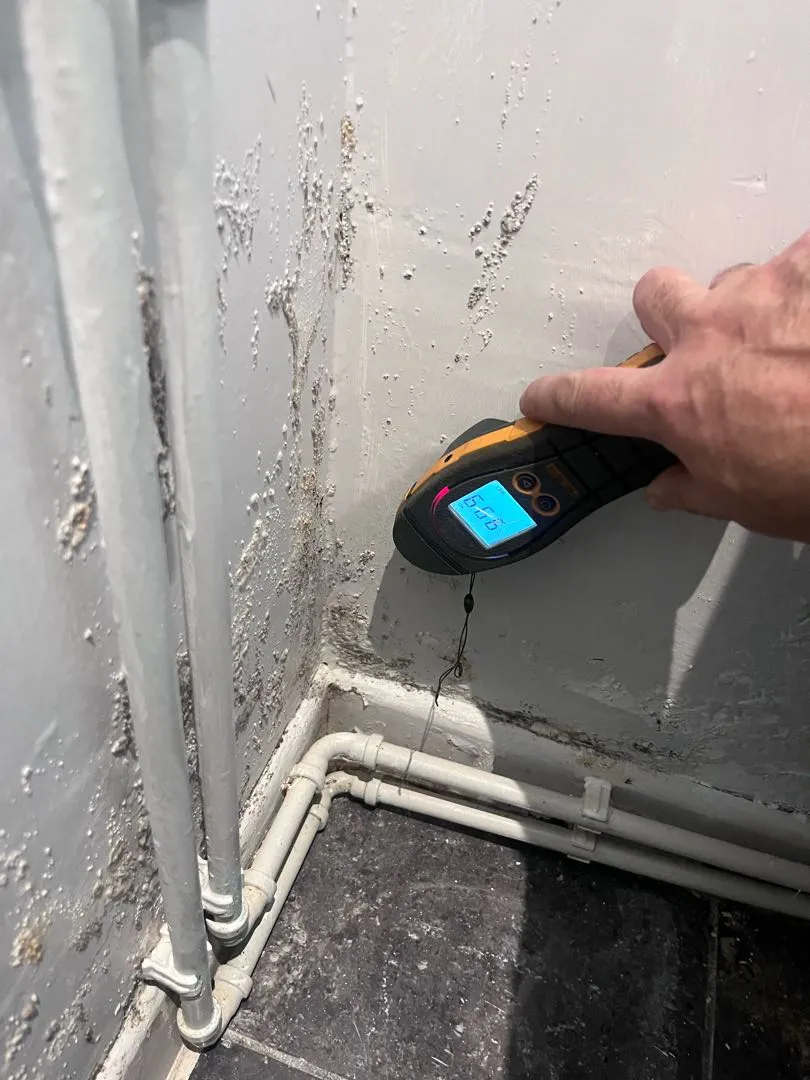
West Melbourne Mold Removal After Water Damage: Warning Signs and Prevention
Water damage is one of the most common causes of mold growth in homes throughout West Melbourne. Whether the source is a plumbing leak, roof damage, appliance failure, or heavy rain, moisture that remains trapped inside building materials can quickly create conditions where mold begins to grow.
Many homeowners assume that once visible water is cleaned up, the problem is solved. In reality, hidden moisture can remain behind walls, beneath flooring, or inside attic insulation for days or weeks. Understanding the warning signs of mold after water damage and knowing how to prevent it can help homeowners protect their property and avoid costly repairs.
How Water Damage Leads to Mold
Mold requires only three things to grow: moisture, organic material, and time. Homes naturally contain materials like wood, drywall, and insulation that provide a surface for mold. When water damage occurs, these materials can absorb moisture quickly.
Even small leaks can cause problems if moisture is not completely removed. In Florida’s humid climate, damp materials dry slowly, allowing mold to develop sooner than many homeowners expect.
Common sources of water damage include:
- Roof leaks after storms
- Plumbing failures or slow pipe leaks
- Overflowing appliances or fixtures
- Flooding from heavy rainfall
- Air conditioning condensation issues
Any of these conditions can create hidden moisture that leads to mold growth.
Why Mold Problems Are Common in West Melbourne
Homes in West Melbourne and nearby communities such as Palm Bay, Melbourne, and Rockledge face environmental conditions that increase mold risk.
High humidity levels year-round
Moist air slows evaporation, allowing damp materials to remain wet longer.
Frequent storms and heavy rainfall
Storm season often brings roof leaks and water intrusion.
Attic heat and condensation
Warm attic spaces trap moisture, especially when ventilation is limited.
Continuous air conditioning use
AC systems remove humidity but may also create condensation in ducts or air handlers if not maintained.
These factors make prompt drying and inspection especially important after water damage.
Early Warning Signs of Mold After Water Damage
Recognizing early warning signs helps homeowners address mold problems before they become severe. Some signs appear quickly, while others develop gradually.
Common warning signs include:
- Musty or earthy odors
- Discoloration or staining on walls or ceilings
- Peeling paint or bubbling drywall
- Warped trim or flooring
- Persistent humidity indoors
Sometimes mold develops in hidden areas without visible clues, which is why inspection is often recommended after any water intrusion.
Hidden Areas Where Mold Often Develops
Mold frequently grows in places that are difficult to see. After water damage, moisture may spread beyond the visible wet area and collect in:
- Wall cavities behind drywall
- Carpet padding and subfloors
- Attic insulation and roof decking
- Around air ducts and vents
- Inside closets or storage areas
In many West Melbourne homes, attic spaces are particularly vulnerable because warm air rises and slows drying.
Why DIY Mold Removal Often Falls Short
Homeowners sometimes try to clean mold using household cleaners or bleach. While this may remove surface staining, it usually does not address the root of the problem.
DIY methods often fail because:
- Moisture sources remain unresolved
- Mold roots penetrate porous materials
- Hidden mold behind walls is not treated
- Improper cleaning can spread spores
Effective mold removal requires identifying the source of moisture and ensuring that affected materials are completely dry.
Professional Mold Inspection and Testing
Before mold removal begins, a professional inspection is often recommended to determine how far moisture and mold have spread.
A thorough inspection may include:
Moisture Detection
Moisture meters and thermal imaging tools locate damp areas behind walls, ceilings, and flooring.
Visual and Structural Inspection
Attics, crawl spaces, and areas near previous leaks are carefully examined.
Air or Surface Sampling
Testing may be used to confirm mold presence and assess severity when needed.
Professionals familiar with Brevard County homes understand how humidity and coastal weather affect drying times and mold growth patterns. Companies such as Palm Bay Mold Removal often perform detailed inspections to ensure hidden areas are identified before remediation begins.
The Mold Removal and Remediation Process
Proper mold removal involves more than cleaning visible areas. The process is designed to eliminate mold safely and prevent it from returning.
Typical steps include:
Containment
Affected areas are isolated to prevent mold spores from spreading.
Removal of Contaminated Materials
Severely affected drywall, insulation, or carpeting may be removed.
Cleaning and Treatment
Structural surfaces are cleaned using methods designed to remove mold growth safely.
Drying and Dehumidification
Air movers and dehumidifiers are used to reduce moisture levels.
Final Verification
Moisture readings confirm that conditions no longer support mold growth.
This structured approach helps ensure long-term results.
Water Damage Repair and Restoration
Mold removal is often combined with water damage repair. Structural materials affected by moisture may require:
- Replacing damaged drywall
- Repairing ceilings or flooring
- Drying framing and subfloors
- Improving ventilation or drainage
Proper repairs prevent moisture from returning and reduce the risk of future mold problems.
HVAC Systems, Air Ducts, and Mold
Air conditioning systems can also be affected by water damage. Moisture inside ducts or air handlers may circulate humid air throughout the home, slowing drying and affecting indoor air quality.
Technicians often inspect:
- Duct insulation
- Air filters and vents
- Condensation lines
- Air handlers and drain pans
Periodic air duct cleaning and HVAC maintenance help reduce moisture buildup and improve airflow.
How to Prevent Mold After Water Damage
Preventive maintenance is one of the most effective ways to reduce mold risk. Homeowners in West Melbourne can take several practical steps:
- Repair leaks promptly
- Inspect roofs after storms
- Keep indoor humidity below 60%
- Use dehumidifiers during humid months
- Ensure proper attic ventilation
- Schedule moisture inspections after flooding or leaks
Homes in nearby areas such as Satellite Beach, Viera, and Titusville often follow similar routines to manage humidity and storm-related moisture.
Why Local Experience Matters
Mold removal in coastal Florida requires an understanding of how humidity, storms, and construction materials interact. Drying times and moisture movement differ from those in drier climates.
Professionals familiar with West Melbourne homes understand:
- Where moisture is most likely to accumulate
- How attic heat affects drying
- Which materials are most vulnerable
- How to prevent recurring mold problems
Palm Bay Mold Removal and other experienced local providers focus on identifying both mold and the moisture source, helping homeowners achieve lasting results.
A Practical Approach for Homeowners
Water damage does not always lead to mold, but it often does when moisture is not completely removed. Acting quickly after leaks or flooding—drying affected areas, scheduling inspections, and addressing humidity—can prevent small issues from becoming major repairs.
For homeowners in West Melbourne, staying alert to warning signs and maintaining proper moisture control are the most effective ways to protect a home. With early detection and proper restoration, most mold problems can be resolved efficiently and prevented from returning.