
West Melbourne Mold Remediation after Hurricanes: Warning Signs

Hurricanes are a recurring threat to homes in West Melbourne, bringing torrential rains, strong winds, and flooding. While the immediate damage from wind and water is often obvious, one of the most insidious effects is mold growth. Mold can develop rapidly in areas that stay damp after hurricane damage, compromising both the structural integrity of the property and indoor air quality.
Effective mold remediation after hurricanes requires early detection, thorough inspection, and professional removal. Understanding the warning signs and remediation process helps homeowners protect their homes and health.
Understanding Hurricane-Related Mold Growth
After a hurricane, water intrusion into attics, crawlspaces, walls, and basements creates ideal conditions for mold. Mold spores are ubiquitous, and once they encounter damp, warm, and nutrient-rich surfaces, colonies can form within 24–48 hours.
- Porous Materials – Drywall, insulation, carpeting, and wooden framing are especially susceptible.
- Hidden Growth Areas – Attics, behind walls, under flooring, and HVAC ducts often harbor mold out of sight.
- Rapid Spread – High humidity in West Melbourne accelerates mold growth post-storm.
Left untreated, mold can compromise structural elements, reduce indoor air quality, and pose health risks to occupants.
Common Causes of Mold After Hurricanes
- Flooding and Storm Surge – Coastal flooding saturates floors, walls, and foundations.
- Roof Leaks – Damaged shingles or flashing allow rainwater to enter attics and ceilings.
- HVAC System Moisture – Air conditioners and ducts can trap condensation, promoting mold growth.
- Plumbing Leaks – Hurricane stress on pipes can cause leaks inside walls or under floors.
- Poor Ventilation – Damp, unventilated spaces such as basements and crawlspaces create prime mold habitats.
Understanding these causes helps homeowners identify high-risk areas and take preventive steps.
Early Warning Signs of Mold
Homeowners should be vigilant for the following indicators:
- Musty Odors – Persistent damp smells often signal hidden mold colonies.
- Visible Growth – Dark or discolored patches on walls, ceilings, or around windows.
- Water Stains or Discoloration – Yellow, brown, or gray stains indicate moisture intrusion.
- Warped or Bubbling Surfaces – Water-damaged drywall, wood, or paint surfaces suggest prolonged exposure.
- Health Symptoms – Allergies, coughing, or respiratory irritation may indicate airborne spores.
Recognizing these signs early allows for timely remediation and prevents mold from spreading extensively.
Professional Mold Remediation Process
Professional remediation involves a structured approach:
- Inspection and Assessment – Certified specialists locate mold colonies, identify moisture sources, and assess structural damage.
- Containment – Affected areas are sealed using plastic sheeting and negative air pressure machines to prevent spore spread.
- Removal of Contaminated Materials – Porous items like drywall, insulation, and carpeting are removed; non-porous surfaces are cleaned with antimicrobial solutions.
- Cleaning and Disinfection – HEPA vacuums and EPA-approved treatments remove residual spores. HVAC systems may also be cleaned.
- Drying and Dehumidification – Industrial air movers and dehumidifiers remove residual moisture.
- Restoration – Replace damaged materials and repair structural components.
- Post-Remediation Verification – Clearance testing and moisture monitoring confirm that the property is safe for occupancy.
Preventing Mold After Hurricanes
- Rapid Water Removal – Address flooding immediately with pumps and drying equipment.
- Ventilation – Open windows, use fans and dehumidifiers to reduce indoor humidity.
- Repair Leaks – Fix roofs, windows, and plumbing promptly.
- HVAC Maintenance – Clean and inspect ducts and drip pans.
- Moisture Monitoring – Use moisture meters or sensors in attics, crawlspaces, and basements.
Early intervention is key to minimizing mold growth and protecting home integrity.
Emergency Water Removal Services in Titusville after Storm Damage: Costs, Causes, and Solutions


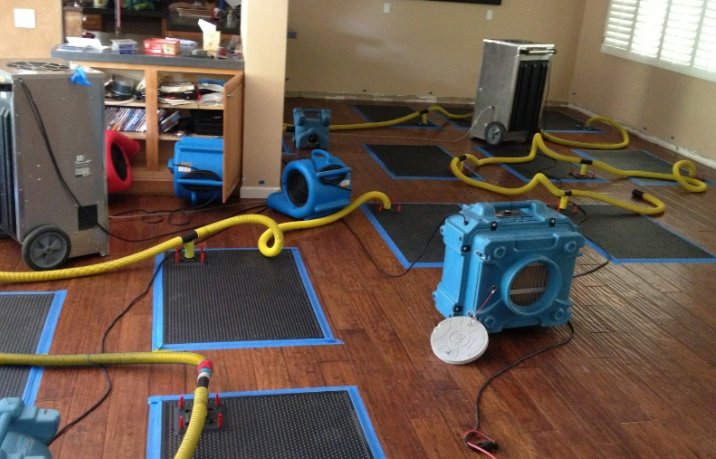
Titusville homeowners frequently face flooding and water damage following hurricanes or severe storms. Rapid water removal is critical to prevent structural damage, microbial growth, and prolonged repair costs. Emergency water removal services provide timely, professional solutions for extracting water, drying affected areas, and restoring homes to safe conditions.
This guide explores the causes of storm-related water damage, early warning signs, professional removal procedures, cost considerations, and preventive solutions.
Understanding Storm-Related Water Damage
Water damage from storms can range from minor leaks to complete flooding of living spaces. Key factors affecting damage severity include:
- Volume and Duration of Water Exposure – Prolonged flooding worsens structural damage.
- Property Construction – Older homes or slab foundations are more susceptible to water penetration.
- Environmental Factors – Coastal storm surges, high tides, and saturated soil contribute to flooding.
Prompt water extraction reduces the risk of mold growth and structural compromise.
Common Causes of Storm Water Damage in Titusville
- Hurricane Flooding and Storm Surge – Coastal homes often face flooding from storm-driven water.
- Roof and Gutter Failures – Heavy rainfall can infiltrate roofs or clogged gutters.
- Sewer and Plumbing Backups – Storm stress may overwhelm sewer systems or damage pipes.
- Window and Door Leaks – Poorly sealed openings allow water intrusion during heavy rain.
- Inadequate Drainage – Low-lying or improperly graded land directs water toward foundations.
Warning Signs of Water Intrusion
- Standing water in basements, crawlspaces, or flooring
- Damp or musty odors throughout the home
- Water stains, discoloration, or warped surfaces
- Electrical malfunctions or tripped breakers
- Rapid mold growth within 24–48 hours
Early identification is crucial to mitigate long-term damage.
Emergency Water Removal Process
Step 1: Assessment
- Identify water type (clean, gray, or black)
- Determine affected areas and potential hazards
Step 2: Water Extraction
- Industrial pumps and wet vacuums remove standing water
- Moisture meters monitor residual water in walls, floors, and subfloors
Step 3: Drying and Dehumidification
- Air movers and dehumidifiers ensure complete drying
- Prevents secondary mold growth and structural warping
Step 4: Cleaning and Disinfection
- Surfaces contaminated with gray or black water are sanitized
- Carpets, furniture, and HVAC components are treated as needed
Step 5: Restoration
- Replace drywall, insulation, flooring, and other damaged materials
- Repair structural elements and restore HVAC operation
Step 6: Post-Removal Verification
- Moisture readings and inspections ensure property is dry and safe
- Documentation provides homeowners with assurance of restoration quality
Costs of Emergency Water Removal
- Small-Scale Flooding (Single Room) – $500–$1,500
- Moderate Damage (Multiple Rooms) – $1,500–$5,000
- Severe Flooding (Whole Home, Structural Involvement) – $5,000–$20,000+
Quick action and professional service reduce overall costs by limiting secondary damage.
Long-Term Preventive Measures
- Roof and Gutter Maintenance – Inspect and repair before storm season
- Window and Door Sealing – Ensure caulking and weather-stripping are intact
- Landscaping and Drainage – Grade land away from the foundation; consider French drains
- Sump Pumps and Backflow Valves – Protect basements and crawlspaces
- Emergency Planning – Have water removal specialists on call after storms
Health Considerations
Water intrusion can promote mold and bacterial growth, affecting indoor air quality:
- Respiratory irritation and allergies
- Skin and eye irritation
- Risk of exposure to contaminated water from storm surges
Rapid water removal and disinfection restore safe living conditions.
Conclusion
Both West Melbourne and Titusville homeowners face unique challenges after hurricanes and storms. In West Melbourne, mold can grow rapidly in damp environments, requiring early detection and professional remediation. In Titusville, storm-related water intrusion demands emergency water removal to prevent structural damage and microbial contamination.
Understanding warning signs, engaging professional services promptly, and implementing preventive strategies—such as maintenance, moisture control, and emergency planning—help protect homes, health, and long-term property value. Proper intervention ensures that storm-damaged homes are safe, healthy, and resilient against future events.