West Melbourne Mold Inspection in Older Homes: Early Signs You Should Not Ignore
Older homes in West Melbourne have a lot of character—solid construction, mature neighborhoods, and architectural details that newer homes often lack. But age also brings challenges, and one of the most common is hidden moisture that can lead to mold growth. Over time, roofing materials wear, plumbing systems age, ventilation may be outdated, and small leaks can go unnoticed.
Mold inspection plays an important role in identifying early problems before they become serious. Recognizing the early signs and understanding why older homes are more vulnerable can help homeowners prevent costly repairs and long-term damage.
What Mold Problems in Older Homes Usually Involve
In older houses, mold rarely appears suddenly. It usually develops slowly, often in areas where moisture has been present for weeks or months. Many older homes have materials such as wood framing, plaster, and older drywall that can absorb and retain moisture more easily than modern materials.
Mold in older homes often develops in:
- Attics with aging insulation
- Wall cavities near plumbing lines
- Under flooring or carpet
- Around windows with worn seals
- Bathrooms with limited ventilation
Because these areas are not always visible, mold may spread quietly until odors or staining appear.
Why Older Homes in West Melbourne Are More Vulnerable
Several factors make mold more likely in older homes throughout West Melbourne and nearby communities such as Palm Bay, Melbourne, and Rockledge.
Aging roofing systems
Older roofs are more prone to small leaks that may go unnoticed for long periods.
Outdated ventilation
Older homes sometimes lack sufficient attic ventilation or modern exhaust systems.
Settling and small structural gaps
Over time, minor shifts in the structure can allow moisture intrusion.
Florida humidity
Warm, humid air slows drying and increases the likelihood of mold growth.
These conditions mean that even minor moisture problems can develop into mold if not detected early.
Early Signs Homeowners Should Not Ignore
One of the most important reasons to schedule a mold inspection is to investigate early warning signs. These signs often appear before visible mold is present.
Common early indicators include:
- Musty or earthy odors
- Peeling or bubbling paint
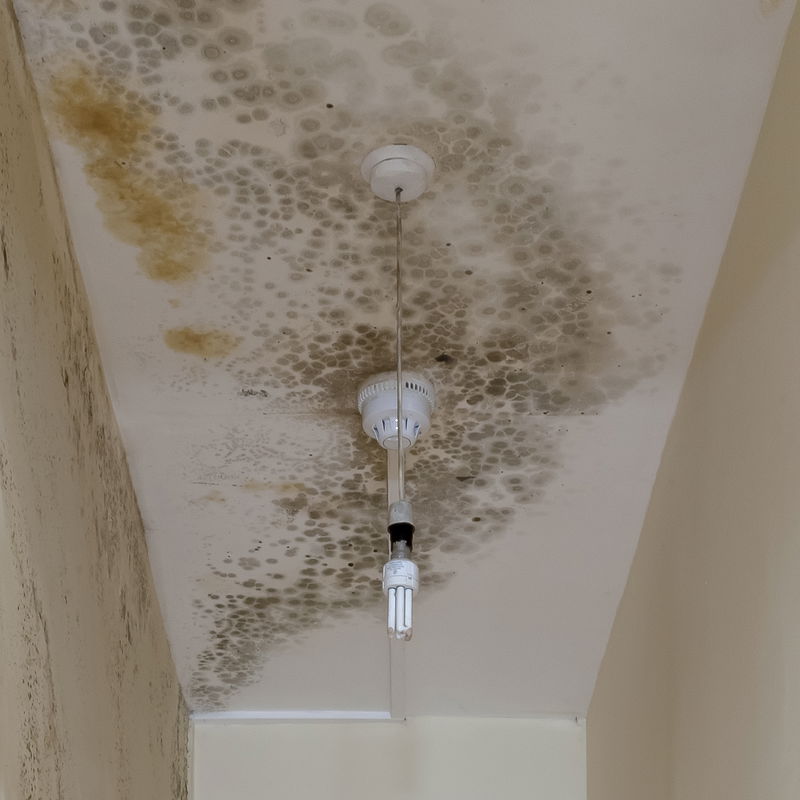
- Discoloration on ceilings or walls
- Persistent humidity indoors
- Warped baseboards or trim
Even small changes in smell or appearance may indicate moisture trapped behind surfaces.
Subtle Signs That Often Get Overlooked
In older homes, some warning signs are easy to dismiss because they seem minor or unrelated to mold.
These often-overlooked signs include:
- Rooms that feel slightly damp or cooler than others
- Dust that clumps or feels damp
- Recurring condensation on windows
- Slight staining near vents or ceiling corners
- Minor drywall cracks accompanied by discoloration
These symptoms can indicate hidden moisture, especially in humid climates.
Hidden Areas Where Mold Frequently Develops
Mold tends to grow in areas that are rarely inspected. In older homes, the most common locations include:
- Attic insulation and roof decking
- Behind bathroom walls
- Beneath flooring or carpet padding
- Inside closets on exterior walls
- Around HVAC ducts and vents
Attics in particular are vulnerable in West Melbourne homes because warm air rises and carries moisture into enclosed roof spaces.
Why DIY Inspections Often Miss the Problem
Homeowners sometimes attempt to check for mold themselves, but visual inspections alone rarely reveal hidden moisture.
DIY inspections often miss:
- Moisture behind drywall
- Damp insulation in attic spaces
- Mold inside wall cavities
- Humidity pockets in enclosed areas
Without specialized tools, it is difficult to determine whether materials are fully dry or beginning to support mold growth.
How Professional Mold Inspection Works
A professional mold inspection focuses on locating moisture and identifying conditions that allow mold to grow. The process usually includes several steps.
Visual Inspection
Technicians examine areas prone to moisture, including attics, bathrooms, kitchens, and HVAC systems.
Moisture Detection
Moisture meters and thermal imaging tools help locate damp areas behind walls, ceilings, and flooring.
Humidity Measurement
Indoor humidity levels are evaluated to determine whether conditions support mold growth.
Air or Surface Sampling (when needed)
Testing may be used to confirm mold presence and evaluate severity.
Professionals familiar with Brevard County homes understand how humidity and aging building materials interact. Companies such as Palm Bay Mold Removal often perform detailed inspections in older homes to ensure hidden moisture is identified.
What Happens If Mold Is Found
If mold is detected, the next step depends on how widespread the issue is and what materials are affected.
Common solutions may include:
- Removing and replacing affected drywall or insulation
- Cleaning and treating structural surfaces
- Drying affected areas using dehumidifiers
- Repairing leaks or ventilation problems
Addressing both mold and the moisture source is essential to prevent recurrence.
The Role of Water Damage and Leaks
In many older homes, mold problems begin with small leaks that go unnoticed. Common sources include:
- Roof leaks after storms
- Plumbing leaks in older piping
- Window seal failures
- AC condensation problems
Because these issues may develop gradually, homeowners sometimes do not notice them until mold begins to appear.
Prompt repairs and moisture detection help prevent long-term damage.
HVAC Systems, Air Ducts, and Indoor Air Quality
Air conditioning systems play an important role in controlling humidity, but they can also contribute to moisture problems if not maintained properly.
During inspections, technicians often check:
- Duct insulation
- Air handlers and drain pans
- Condensation lines
- Vent airflow
Periodic air duct cleaning and HVAC maintenance help reduce humidity buildup and improve indoor air circulation.
How to Prevent Mold in Older Homes
Preventive maintenance is one of the most effective ways to reduce mold risk. Homeowners in West Melbourne can take several practical steps:
- Inspect roofs and gutters regularly
- Repair leaks promptly
- Use exhaust fans in bathrooms and kitchens
- Monitor indoor humidity levels
- Schedule periodic moisture inspections
- Ensure attic ventilation is adequate
Homes in nearby communities such as Satellite Beach, Viera, and Titusville often follow similar routines to manage humidity and moisture.
Why Local Experience Matters
Mold inspection in older homes requires an understanding of how aging materials, ventilation patterns, and coastal humidity interact. Drying times and moisture movement differ significantly from those in newer construction.
Professionals familiar with West Melbourne homes understand:
- Where moisture is most likely to accumulate
- How attic heat affects humidity
- Which materials are most vulnerable
- How to prevent recurring mold problems
Palm Bay Mold Removal and other experienced local providers focus on identifying both mold and its underlying causes, helping homeowners achieve lasting results.
A Practical Approach for Homeowners
Mold problems in older homes often begin quietly, but early inspection can prevent serious damage. Paying attention to musty odors, staining, or humidity changes—and scheduling inspections when needed—helps catch problems before they spread.
For homeowners in West Melbourne, routine maintenance, proper ventilation, and early moisture detection are the most effective ways to protect both the structure of the home and indoor air quality. With consistent care and early action, most mold issues can be resolved efficiently and prevented from returning.