West Melbourne Flood Restoration in Older Homes: Inspection and Repair Guide
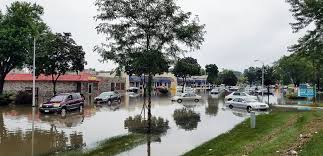
Older homes in West Melbourne are particularly vulnerable to flooding, especially during heavy rainfall, hurricanes, or plumbing failures. Unlike newer constructions, older properties may have weakened foundations, outdated electrical systems, or aging building materials, which complicates restoration efforts. Proper inspection and repair are essential to preserve structural integrity, prevent mold growth, and ensure occupant safety.
This guide provides a comprehensive overview of flood restoration in older West Melbourne homes, detailing inspection steps, common challenges, and professional repair techniques.
Why Older Homes Are More Vulnerable to Flood Damage
- Outdated Plumbing and Roofing
- Old pipes and worn roofing can leak or burst, allowing water to penetrate the home.
- Weakened Foundations
- Settling, cracks, or erosion can increase water infiltration.
- Aging Electrical Systems
- Water exposure can create short circuits, fire hazards, or electrical failures.
- Deteriorated Materials
- Wood, drywall, and flooring may absorb water more readily and deteriorate faster.
- Limited Waterproofing
- Older homes often lack modern waterproof barriers or moisture-resistant materials.
Initial Inspection After Flooding
Step 1: Safety First
- Shut off electricity and gas to affected areas to prevent hazards.
- Wear protective gear: gloves, boots, and masks.
Step 2: Assess Visible Damage
- Check walls, floors, ceilings, and foundations for water stains, warping, or structural compromise.
- Examine basements, crawlspaces, and attics for standing water or moisture.
Step 3: Identify Hidden Moisture
- Use moisture meters and infrared cameras to detect dampness behind walls or under floors.
- Inspect HVAC systems for water intrusion, which can harbor mold.
Step 4: Evaluate Mold Risk
- Older homes with prior water damage may already have mold colonies.
- Look for musty odors, discoloration, or visible fungal growth.
Step 5: Document Damage
- Take photos and notes for insurance claims and restoration planning.
Flood Restoration Step‑by‑Step Process
Step 1: Water Removal
- Use pumps, wet/dry vacuums, and extraction tools to remove standing water quickly.
- Prioritize high-risk areas like basements or ground floors.
Step 2: Drying and Dehumidification
- Deploy industrial fans, dehumidifiers, and air movers to dry walls, floors, and structural components.
- Monitor moisture levels to ensure complete drying before proceeding.
Step 3: Cleaning and Disinfection
- Sanitize surfaces with EPA-approved disinfectants to prevent bacteria, mold, and odors.
- Focus on flooring, subflooring, walls, and HVAC vents.
Step 4: Material Repair or Replacement
- Replace water-damaged drywall, insulation, carpet padding, and flooring as needed.
- Reinforce or repair compromised wooden structures, beams, or framing.
Step 5: Structural Assessment
- Inspect foundations, load-bearing walls, and roofing for long-term damage.
- Consult a structural engineer if needed to ensure safety.
Step 6: Mold Remediation
- Treat areas prone to mold with antimicrobial solutions, especially in damp, hidden spaces.
- Continue monitoring for hidden fungal growth after restoration.
Step 7: Restoration and Renovation
- Repaint walls, reinstall flooring, and restore finishes.
- Upgrade plumbing, electrical systems, and insulation where feasible.
Preventive Tips for Older Homes
- Regular Maintenance
- Inspect roofing, plumbing, and foundations annually.
- Install Sump Pumps or Flood Barriers
- Protect basements and low-lying areas from stormwater intrusion.
- Monitor Humidity Levels
- Use dehumidifiers during rainy or humid seasons.
- Seal Cracks and Openings
- Prevent water seepage through foundations or exterior walls.
- Upgrade Vulnerable Systems
- Replace aging plumbing, HVAC units, and insulation with modern, water-resistant options.
- Educate Occupants
- Ensure tenants or family members report leaks or water intrusion immediately.
Benefits of Professional Flood Restoration
- Health Protection
- Eliminates bacteria, mold, and allergens that can harm occupants.
- Structural Integrity
- Proper drying and repairs prevent long-term damage to flooring, walls, and foundations.
- Cost Savings
- Early intervention reduces the need for major reconstruction or replacement.
- Insurance Compliance
- Detailed inspection and documentation support claims efficiently.
- Peace of Mind
- Ensures the home is safe, habitable, and restored to pre-flood condition.
Conclusion
Older homes in West Melbourne face unique challenges when it comes to flood restoration, from weakened structures to mold-prone materials. Thorough inspection, rapid water removal, and professional repair techniques are crucial to prevent long-term damage, health hazards, and costly repairs.
Following a **step-by-step restoration approach—assessment, drying, cleaning, repairs, and preventive measures—**homeowners can effectively restore their property after flooding. Combined with regular maintenance, structural upgrades, and moisture management, this strategy ensures older homes remain safe, habitable, and resilient against future flood events.