
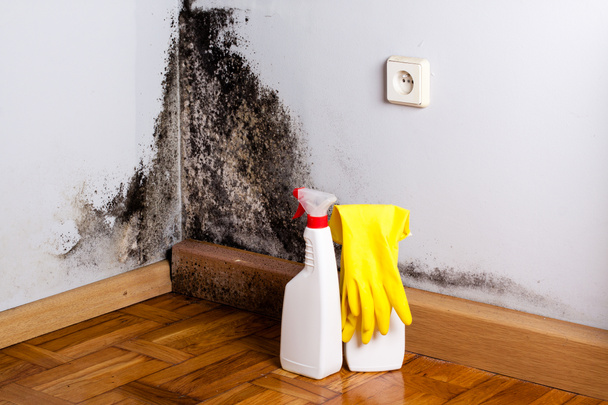
West Melbourne Black Mold Removal in Older Homes: Complete Guide for Homeowners
Older homes in West Melbourne offer charm, mature landscaping, and established neighborhoods. But they also come with aging roofing systems, outdated ventilation, and decades of exposure to Florida humidity. When moisture problems go unnoticed, black mold can develop inside walls, attics, and flooring systems.
In Brevard County’s climate, mold growth is rarely caused by a single dramatic event. More often, it’s the result of small leaks, condensation buildup, or poor airflow that continues quietly for months. In older homes especially, hidden moisture can remain trapped longer than homeowners expect.
This complete guide explains how black mold develops in West Melbourne’s older properties, how professional removal works, and how to prevent it from returning.
Why Older Homes in West Melbourne Are More Vulnerable
West Melbourne experiences high humidity most of the year. Combined with heavy summer thunderstorms and long cooling seasons, moisture pressure on homes is constant.
Older homes may have:
Original plumbing lines
Aging roof flashing
Minimal attic ventilation
Outdated duct insulation
Single-pane windows
Limited vapor barriers
Over time, these features increase vulnerability to moisture intrusion.
Even homes that have never experienced flooding can develop mold from slow, unnoticed dampness.
Homes in nearby Palm Bay and Melbourne share similar environmental conditions, but older subdivisions in West Melbourne often lack modern ventilation standards.
What “Black Mold” Typically Means
Homeowners often use the term “black mold” to describe dark-colored mold growth. While not all dark mold is the same species, visible black staining usually indicates long-term moisture exposure.
Common areas where black mold appears include:
Ceiling corners near rooflines
Behind bathroom walls
Inside kitchen cabinets
Attic roof decking
Around window frames
Behind baseboards
The color alone does not determine severity. The real issue is the moisture source supporting growth.
Early Warning Signs You Should Not Ignore
Black mold in older homes often develops gradually.
Watch for:
Persistent musty odors
Dark staining along drywall seams
Bubbling paint near ceilings
Soft drywall near plumbing fixtures
Warped wood trim
Condensation on interior walls
Attics are especially vulnerable. Poor ventilation allows heat and humidity to accumulate, creating ideal conditions for mold on roof decking.
If odors persist even after cleaning, hidden contamination may be present.
Step 1: Identify and Correct the Moisture Source
Mold removal must begin with moisture control.
Professionals first determine whether growth resulted from:
Roof leaks
Plumbing failures
HVAC condensation
Attic ventilation problems
Groundwater intrusion
High indoor humidity
If the moisture source remains active, mold will return regardless of cleaning efforts.
Palm Bay Mold Removal frequently begins projects in West Melbourne with moisture mapping and airflow evaluation before recommending remediation.
Step 2: Moisture Detection and Inspection
Surface stains do not reveal the full scope of contamination.
Professional inspection may include:
Moisture meter readings
Thermal imaging
Attic inspection
Subfloor evaluation
HVAC system assessment
Older homes may have hidden dampness inside wall cavities or beneath flooring.
Accurate detection ensures removal targets all affected areas.
Step 3: Containment of Affected Areas
Containment prevents mold spores from spreading during removal.
Plastic sheeting isolates contaminated rooms. Negative air machines may be used to control airflow.
HEPA filtration units help maintain indoor air quality.
In older homes with shared air pathways, containment is especially important.
Step 4: Removal of Contaminated Materials
Porous materials heavily affected by black mold typically require removal.
These may include:
Drywall
Insulation
Carpet padding
Wood trim
Cabinet backing
Structural framing can often be cleaned if contamination is limited to the surface.
The objective is complete removal of compromised materials rather than cosmetic treatment.
Step 5: Cleaning and Surface Treatment
After material removal, structural components are cleaned thoroughly.
HEPA vacuuming removes fine particles. Targeted cleaning methods are applied as appropriate.
Odors often improve significantly once contaminated materials are eliminated.
Proper cleaning prepares the area for safe rebuilding.
Step 6: Structural Drying and Humidity Control
Drying is critical in Florida’s humid climate.
Commercial dehumidifiers and air movers reduce ambient moisture.
Humidity should remain below 60 percent during and after remediation.
Moisture readings confirm when materials are stable before reconstruction begins.
Rushing this stage increases recurrence risk.
Attic Ventilation and Duct Considerations
Older West Melbourne homes often lack adequate attic ventilation.
Without proper airflow, heat and humidity become trapped.
Signs of attic ventilation problems include:
Excessively hot attic temperatures
Condensation on rafters
Damp insulation
Visible mold on roof decking
Improving soffit and ridge ventilation reduces condensation stress.
Duct insulation should also be evaluated to prevent recurring moisture buildup.
Slab Foundations and Ground Moisture
Many older homes sit on slab foundations.
During heavy rainfall, groundwater may rise and affect lower drywall sections.
Moisture can migrate upward through minor cracks.
Improving exterior drainage and sealing foundation gaps reduces risk.
Professional moisture detection confirms whether slab moisture contributes to mold growth.
Preventing Future Mold in Older Homes
Prevention requires ongoing maintenance.
Inspect roofing annually.
Replace aging plumbing proactively.
Monitor indoor humidity.
Service HVAC systems regularly.
Improve attic ventilation.
Seal windows and exterior penetrations.
Installing a hygrometer provides early warning of humidity imbalance.
Addressing small leaks immediately prevents larger remediation projects later.
Why Local Experience Matters
West Melbourne’s environment creates unique challenges for older homes.
Frequent thunderstorms, high humidity, and long cooling seasons place continuous moisture pressure on structures.
Professionals familiar with Brevard County housing styles understand common vulnerabilities in aging properties.
Palm Bay Mold Removal has worked throughout West Melbourne and surrounding communities, addressing black mold concerns specific to Florida’s humid coastal climate.
Protecting Your Investment
Black mold removal in older West Melbourne homes requires more than surface cleaning. It demands accurate moisture detection, controlled removal, and structural drying.
Ignoring early warning signs often leads to repeated damage and higher repair costs.
By combining professional remediation with ventilation improvements and routine maintenance, homeowners can protect their properties long-term.
In Florida’s climate, proactive moisture management is the most effective strategy for preventing future mold problems in older homes.