
West Melbourne Black Mold Removal after Storm Damage: Step-by-Step Process Explained
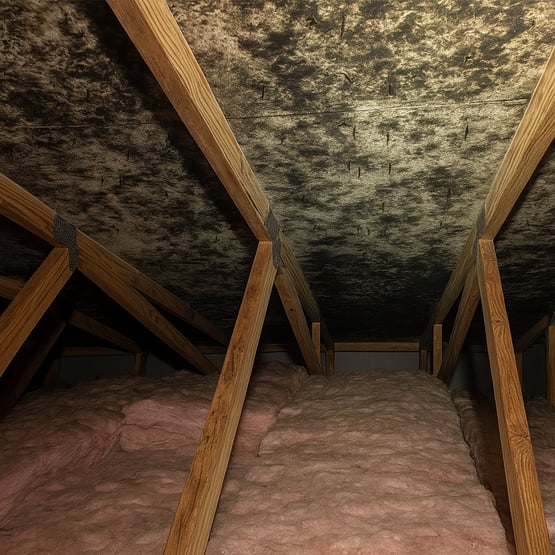
Storm season in Brevard County often leaves homeowners dealing with more than fallen branches and roof repairs. In West Melbourne and surrounding communities, one of the most common hidden consequences of storms is black mold growth that begins quietly after water intrusion.
Many homeowners don’t realize mold has started growing until the damage spreads or musty odors become noticeable weeks later. Understanding how black mold develops after storms—and how professionals properly remove it—helps property owners act early and prevent long-term structural damage.
This guide walks through the step-by-step process professionals use to address black mold in West Melbourne homes following storm damage.
What Black Mold After Storm Damage Actually Means
Black mold thrives when building materials remain damp for extended periods. Storms frequently cause:
• Roof leaks
• Window or door water intrusion
• Flooded floors or carpets
• Saturated drywall
• Moist insulation
• AC or duct moisture buildup
Once water enters walls, ceilings, or flooring, mold spores begin colonizing within 24–48 hours if drying doesn’t occur quickly.
Storm damage often affects hidden areas first, making mold harder to detect until it spreads.
Why This Happens So Often in West Melbourne
Homes across West Melbourne, Palm Bay, Rockledge, and Melbourne face similar environmental challenges:
• High year-round humidity
• Heavy summer storms
• Hurricane-season rainfall
• Older roof systems
• AC systems running constantly in heat
• Poor attic or crawl space ventilation
Even newer homes in Viera or Satellite Beach can develop mold if moisture becomes trapped inside walls or duct systems after storms.
Florida’s climate makes rapid drying critical, yet many homes remain damp long enough for mold to grow.
Common Signs Homeowners Notice After Storms
Many residents first notice something feels wrong weeks after a storm passes. Typical warning signs include:
• Musty or earthy odors
• Dark spotting on walls or ceilings
• Bubbling paint or peeling drywall
• Warped flooring
• Persistent indoor humidity
• Allergy-like irritation indoors
• Staining around roof leak areas
Because mold often grows inside walls, visible signs may appear long after growth begins.
Hidden or Overlooked Mold Sources
Professional inspections in West Melbourne homes frequently uncover mold in areas homeowners never check.
Common hidden locations include:
• Behind drywall near roof leaks
• Inside insulation after flooding
• Under soaked carpets or padding
• Around AC air handlers
• Inside ductwork
• Beneath cabinets exposed to water
• Inside crawl spaces
• Behind baseboards
Storm damage rarely stays on the surface. Water travels through building materials and creates moisture pockets where mold thrives unseen.
Why DIY Mold Removal Usually Fails
After storms, many homeowners attempt cleanup using bleach or store-bought sprays. Unfortunately, this often makes the problem worse.
DIY efforts typically fail because:
• Bleach does not penetrate porous materials
• Mold roots remain inside drywall or wood
• Improper cleaning spreads spores
• Moisture sources remain unresolved
• Hidden mold continues growing
Surface cleaning may temporarily improve appearance but does not eliminate contamination or moisture.
Professional removal focuses on addressing both mold and the water source.
Professional Mold Inspection & Testing Explained
Step one in professional black mold removal is a thorough inspection.
Specialists examine:
• Roof leak zones
• Flooded areas
• Wall cavities
• HVAC systems
• Crawl spaces and attics
• Moisture levels within materials
Advanced moisture meters and thermal imaging tools help detect hidden damp areas.
Testing may be recommended when contamination is widespread or when occupants experience persistent indoor air quality concerns. Testing identifies mold types and contamination severity, guiding the removal plan.
Proper Mold Removal & Remediation Process
Once contamination zones are identified, remediation follows a structured process.
Step 1: Containment Setup
Affected areas are sealed to prevent spores from spreading through the home.
Step 2: Air Filtration
HEPA filtration equipment cleans airborne particles during removal.
Step 3: Removal of Damaged Materials
Water-damaged drywall, insulation, or flooring that cannot be salvaged is safely removed.
Step 4: Surface Cleaning and Treatment
Remaining surfaces are cleaned using professional antimicrobial methods.
Step 5: Structural Drying
Dehumidifiers and air movers remove trapped moisture inside structures.
Step 6: Final Cleaning and Inspection
Technicians ensure moisture levels return to safe ranges before restoration begins.
This systematic approach prevents mold from returning after cleanup.
Flood Restoration & Water Damage Repair
Storms sometimes produce interior flooding rather than simple leaks. In these cases, mold removal works alongside flood restoration.
Flood restoration includes:
• Standing water extraction
• Carpet and padding removal
• Structural drying
• Sanitizing affected areas
• Repairing damaged building materials
If drying is delayed even slightly, mold colonization often follows. Rapid water removal is critical after storms in coastal communities like Cocoa Beach and Merritt Island.
Air Ducts, AC Systems & Mold Growth
One frequently overlooked source of mold after storms is the HVAC system.
Moisture entering ductwork or AC units can circulate spores throughout the home.
Common AC-related issues include:
• Condensation buildup
• Wet air handlers
• Mold inside ducts
• Blocked drainage lines
Cleaning and inspecting duct systems ensures mold is not repeatedly spread after remediation.
Homes across Titusville and Palm Bay often require duct cleaning following water intrusion events.
How to Prevent Mold After Storm Damage
While storms are unavoidable, homeowners can reduce mold risks with preventive measures.
Helpful prevention steps include:
• Repair roof leaks immediately
• Dry wet areas within 24 hours
• Use dehumidifiers after storms
• Ensure attic ventilation works properly
• Maintain AC drainage systems
• Inspect crawl spaces regularly
• Replace water-damaged materials promptly
Routine inspections after major storms help catch moisture problems early.
Why Local Experience Matters
Storm damage behaves differently in Florida than in many other parts of the country. Coastal humidity, construction styles, and ventilation patterns all influence mold growth.
Professionals familiar with West Melbourne and Brevard County homes understand:
• Local building structures
• Storm water intrusion patterns
• AC moisture behavior
• Coastal humidity effects
Working with experienced local professionals helps ensure remediation addresses Florida-specific challenges.
Palm Bay Mold Removal is one of the companies homeowners often trust for inspections and remediation across West Melbourne and nearby communities because they understand how local conditions affect mold growth.
Moving Forward After Storm Damage
If your West Melbourne home recently experienced storm damage and you notice musty smells, wall staining, or lingering moisture, early inspection can prevent larger repairs later.
Mold problems rarely improve on their own, but with proper inspection, cleanup, and moisture correction, homes can return to safe, dry conditions.
The key is acting calmly and promptly, ensuring moisture sources are resolved while trained professionals safely handle contamination.
Taking measured action today protects both your home and long-term property value while restoring peace of mind after Florida’s unpredictable storms.