
Water Leak Detection Services in Satellite Beach During Rainy Season: Complete Guide for Homeowners
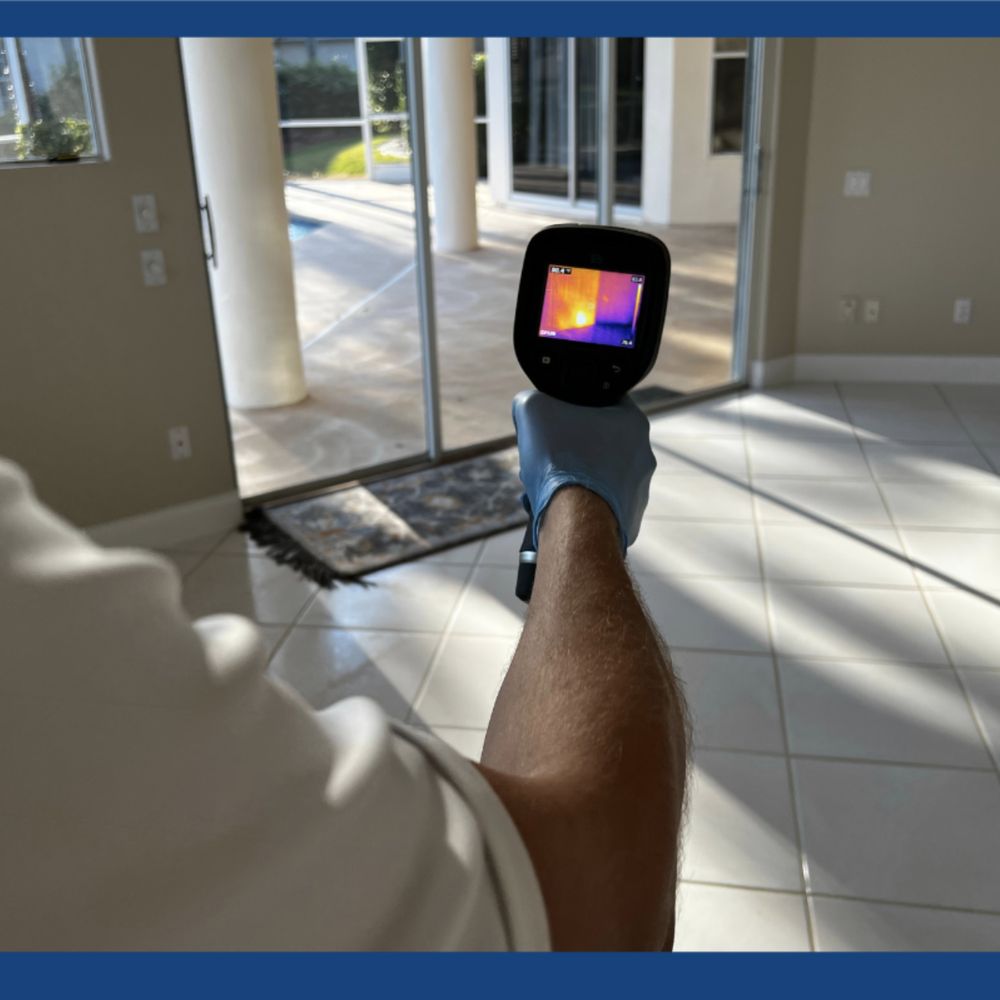
Homes in Satellite Beach are particularly vulnerable to water leaks during the rainy season. Heavy rainfall, high humidity, and aging plumbing systems can create hidden moisture problems that, if undetected, may lead to structural damage, mold growth, and compromised indoor air quality. For homeowners, understanding water leak detection services and implementing preventive measures is essential to maintain a safe and durable property.
This guide provides a comprehensive overview of water leak detection services in Satellite Beach, including common causes, early warning signs, detection methods, remediation steps, costs, and preventive solutions.
Why Water Leaks Are Common in Satellite Beach Homes
Several factors make Satellite Beach homes prone to water leaks:
- Frequent Rainfall – Florida’s rainy season brings intense and prolonged downpours that can overwhelm drainage systems.
- Aging Plumbing – Older pipes, fixtures, and water heaters may develop leaks over time.
- High Humidity – Persistent moisture in the air can exacerbate condensation on pipes and within walls.
- Storm Damage – Hurricanes and tropical storms can stress plumbing systems, leading to cracks, pipe bursts, or joint failures.
- Structural Vulnerabilities – Roofs, windows, and foundation cracks can allow water intrusion during heavy rainfall.
Even minor leaks can cause long-term damage if left unaddressed, making timely detection critical for homeowners.
Common Causes of Water Leaks During Rainy Season
- Roof and Gutter Issues – Damaged shingles, flashing, or clogged gutters can allow water to enter attics and ceilings.
- Plumbing Failures – Cracks, joint failures, or deteriorating pipes can cause hidden leaks.
- Appliance Malfunctions – Washing machines, dishwashers, or water heaters may leak during heavy water demand.
- HVAC Condensation – AC units can generate excess moisture, particularly when humidity is high.
- Window and Door Leaks – Inadequate sealing or aging caulking can allow rainwater to infiltrate walls and floors.
Understanding the source of water intrusion helps prioritize inspection areas and tailor remediation.
Early Signs of Hidden Water Leaks
Homeowners should watch for these warning signs:
- Water Stains or Discoloration – Yellow, brown, or darker patches on ceilings, walls, or flooring.
- Musty Odors – A persistent damp or earthy smell, often indicating hidden moisture.
- Warped or Buckling Surfaces – Wood, laminate, or flooring affected by trapped water.
- Unexplained Increase in Water Bills – May indicate a hidden plumbing leak.
- Condensation or Dripping – Moisture forming on windows, pipes, or HVAC vents.
- Visible Mold Growth – Black or green spots on walls, ceilings, or around plumbing fixtures.
Early detection prevents extensive property damage and reduces remediation costs.
Professional Water Leak Detection Methods
Modern water leak detection services in Satellite Beach use advanced technology to locate hidden leaks without invasive damage.
1. Visual Inspection
- Experienced technicians identify signs of water intrusion, such as stains, discoloration, or warped materials.
2. Moisture Meters
- Non-invasive meters measure moisture levels in walls, ceilings, and flooring to identify hidden damp areas.
3. Thermal Imaging Cameras
- Infrared cameras detect temperature differences caused by moisture, revealing leaks behind walls or under flooring.
4. Acoustic Listening Devices
- Sensitive equipment detects the sound of water escaping from pipes, even if the leak is not visible.
5. Video Pipe Inspection
- Small cameras inserted into plumbing lines identify cracks, joint failures, and blockages without destructive testing.
Professional detection allows precise pinpointing of leaks, minimizing unnecessary demolition or repairs.
Steps to Address Water Leaks
Once a leak is detected, a systematic approach is critical for effective remediation:
Step 1: Containment
- Isolate affected areas to prevent further water spread.
- Protect unaffected rooms, belongings, and flooring.
Step 2: Repair the Leak
- Replace or repair damaged pipes, fixtures, or roofing components.
- Ensure plumbing and structural repairs address the root cause of water intrusion.
Step 3: Water Removal and Drying
- Extract standing water using pumps, vacuums, or other equipment.
- Use air movers, fans, and dehumidifiers to dry affected areas completely.
Step 4: Cleaning and Sanitization
- Disinfect surfaces to prevent microbial growth and odor.
- Remove or treat porous materials, such as carpets, drywall, and insulation, if water-saturated.
Step 5: Post-Remediation Inspection
- Confirm that moisture levels are safe and that the home is fully dry.
- Advise homeowners on preventive maintenance and monitoring.
Costs of Water Leak Detection and Remediation
Costs depend on the severity, size of the affected area, and type of leak:
- Inspection Fees – $200–$500 for a comprehensive professional evaluation.
- Minor Leak Repairs – $300–$1,500 for localized plumbing or roofing repairs.
- Moderate Damage Remediation – $1,500–$5,000 for water extraction, drying, and minor structural repair.
- Severe Damage – $5,000–$10,000 or more for large-scale water intrusion, mold remediation, and reconstruction.
Insurance may cover storm-related water damage if documented and reported promptly.
Preventive Measures for Homeowners
- Regular Plumbing Inspections – Check pipes, water heaters, and fixtures for leaks.
- Maintain Roofing and Gutters – Repair shingles, flashing, and keep gutters clear.
- Improve Ventilation – Ensure airflow in attics, bathrooms, and crawl spaces.
- Monitor Humidity – Use dehumidifiers to maintain indoor levels below 50%.
- Seal Windows and Doors – Check caulking and weatherstripping before the rainy season.
- Install Leak Detection Devices – Sensors alert homeowners to water leaks before they cause major damage.
Preventive strategies significantly reduce the risk of water-related property damage.
Health and Property Benefits
- Prevents Mold Growth – Early water detection stops microbial infestations.
- Protects Structural Integrity – Reduces wood rot, drywall damage, and subfloor deterioration.
- Maintains Indoor Air Quality – Minimizes allergens, musty odors, and microbial exposure.
- Reduces Long-Term Costs – Timely intervention avoids expensive repairs.
- Supports Insurance Claims and Property Value – Documentation of water detection and remediation is useful for claims and resale.
Local Expertise Matters
Satellite Beach homeowners benefit from local water leak detection professionals who understand:
- Regional rainfall patterns and storm risks
- Common construction issues in coastal and residential homes
- Advanced detection methods for plumbing and structural leaks
- Preventive strategies tailored to Florida’s climate and high-humidity conditions
Local knowledge ensures inspections and remediation are thorough, efficient, and suited to the unique challenges of Satellite Beach homes.
Conclusion
Water leaks during the rainy season in Satellite Beach can cause serious damage if left undetected. Early warning signs—such as musty odors, water stains, warped surfaces, or unexplained spikes in water bills—should prompt homeowners to engage professional leak detection services.
Comprehensive water leak detection involves visual inspections, moisture meters, thermal imaging, acoustic listening, and video pipe inspections. Once identified, leaks are repaired, water is extracted, affected areas are dried and sanitized, and preventive measures are implemented.
Costs vary depending on the severity of the leak and associated damage, but timely detection and remediation reduce long-term expenses, protect property value, and safeguard resident health. Satellite Beach homeowners can rely on local expertise to maintain safe, dry, and resilient homes throughout the rainy season.