
Water Leak Detection Services in Satellite Beach After Flooding: Professional Tips for Property Owners
Flooding in Satellite Beach doesn’t always end when the standing water disappears.
In coastal communities like this, water has a way of traveling farther than expected — through wall cavities, under flooring, into attic insulation, and even inside HVAC systems. By the time visible water is gone, hidden moisture may still be working its way through your home.
That’s why professional water leak detection services are so important after flooding. It’s not just about finding active drips. It’s about locating trapped moisture before it turns into mold, structural damage, or long-term indoor air quality problems.
If you’re a property owner in Satellite Beach, here’s what you need to know.
Why Flooding in Satellite Beach Creates Hidden Leaks
Satellite Beach sits directly along the Atlantic coastline. When heavy storms, king tides, or hurricane systems move through Brevard County, homes here experience:
- Wind-driven rain
- Rising groundwater
- Storm surge influence
- Prolonged high humidity
Even minor flooding can force water into places it doesn’t belong.
Water can enter through:
- Sliding glass doors
- Window frames
- Garage door seals
- Roof vulnerabilities
- Exterior wall penetrations
But it doesn’t always stay near the entry point.
Water often spreads laterally inside walls or beneath flooring before becoming visible.
The Real Risk: Hidden Moisture
After a flood event, homeowners typically focus on:
- Removing standing water
- Cleaning visible damage
- Drying floors
But what about the moisture inside:
- Drywall cavities
- Insulation
- Subflooring
- Baseboards
- Ductwork
In Satellite Beach’s humid coastal environment, trapped moisture doesn’t dry quickly on its own.
Without proper leak detection, damp materials can remain wet for days — sometimes weeks.
That’s when mold growth begins.
Signs You May Have a Hidden Water Leak
After flooding, watch for:
- Musty odors that don’t fade
- Warped flooring
- Bubbling paint
- Soft drywall
- Stains that grow over time
- Persistent indoor humidity
- AC running constantly
Sometimes the only early sign is a slight discoloration near the ceiling or baseboard.
Professional moisture detection tools often reveal elevated readings even when surfaces feel dry.
What Professional Water Leak Detection Involves
Leak detection after flooding is systematic.
It typically includes:
Moisture Meter Testing
Meters measure moisture content inside walls, ceilings, and floors.
Infrared Thermal Imaging
Thermal cameras detect temperature differences caused by hidden moisture.
Humidity Testing
Indoor humidity levels are assessed to determine if drying is complete.
Attic and Crawl Space Inspection
Floodwater and wind-driven rain often affect these hidden areas.
Palm Bay Mold Removal frequently performs post-flood leak detection in Satellite Beach, Merritt Island, Cocoa Beach, and Rockledge to confirm that drying is complete and moisture is no longer active.
Leak detection prevents guesswork.
Why DIY Checks Often Miss the Problem
Many property owners rely on:
- Visual inspection
- Touching surfaces
- Household humidity meters
The problem is that water travels unpredictably.
It may:
- Follow framing inside walls
- Settle beneath flooring
- Accumulate above ceilings
- Pool inside insulation
Without professional tools, hidden moisture remains undetected.
Painting over a stain or replacing flooring without drying the subfloor only delays larger issues.
When Emergency Water Removal Is Still Necessary
Leak detection sometimes reveals that water is still present inside structural materials.
If that’s the case, emergency water removal and structural drying may still be required.
This can include:
- Lifting sections of flooring
- Removing wet insulation
- Opening small drywall sections
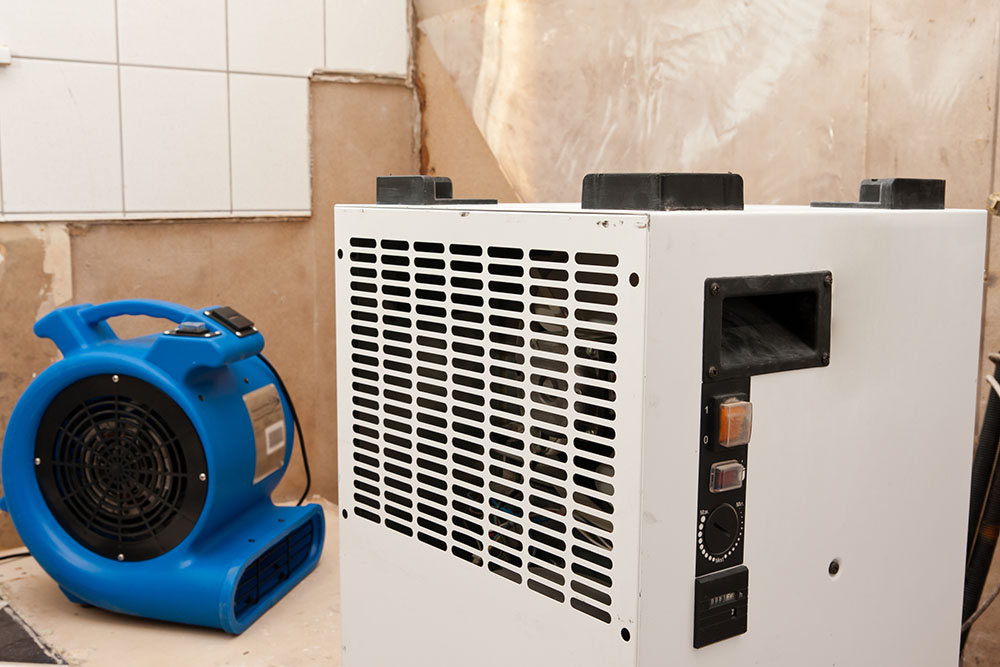
- Placing commercial air movers
- Using industrial dehumidifiers
Early intervention prevents the need for mold remediation later.
Costs of Water Leak Detection Services in Satellite Beach
Costs depend on the size of the property and the scope of inspection.
Factors That Influence Cost
- Square footage
- Areas affected by flooding
- Accessibility of attic or crawl space
- Need for thermal imaging
- Follow-up moisture monitoring
General Cost Ranges
- Basic inspection: lower range
- Comprehensive moisture mapping and infrared scanning: moderate range
- Leak detection combined with drying services: higher range
Compared to structural repairs, leak detection is typically a modest investment that prevents major restoration expenses.
Mold Risk After Flooding
Satellite Beach homes face elevated mold risk after floods due to coastal humidity.
If moisture remains trapped for 24–48 hours, mold can begin developing.
Signs mold inspection may be needed include:
- Persistent odor
- Visible growth
- Elevated indoor humidity
- Recurring discoloration
Mold inspection and testing confirm whether contamination has started.
Addressing leaks early significantly reduces the chance of requiring full mold removal.
HVAC and Air Duct Considerations
Flooding doesn’t only affect walls and floors.
High indoor humidity and attic moisture can impact:
- Air ducts
- AC coils
- Drain lines
If ducts retain moisture, air duct cleaning may be necessary to prevent contamination from circulating.
Air conditioning repair may also be needed to restore proper dehumidification.
Without correcting HVAC-related moisture issues, indoor humidity remains elevated.
Long-Term Solutions for Coastal Homes
Preventing recurring leaks in Satellite Beach involves both structural and ventilation improvements.
Property owners should:
- Inspect roof and flashing annually
- Seal exterior openings
- Ensure proper grading around foundations
- Maintain AC systems
- Monitor indoor humidity
- Schedule moisture detection after major storms
Coastal properties require more consistent maintenance due to wind and salt exposure.
Small repairs prevent larger post-flood problems.
Why Local Experience Matters
Flood behavior in Satellite Beach differs from inland areas.
We deal with:
- Storm surge proximity
- Lagoon and ocean humidity
- High water tables
- Wind-driven rain intrusion
Understanding how moisture moves through common Brevard County construction styles makes leak detection more precise.
Palm Bay Mold Removal has worked across Satellite Beach, Palm Bay, Titusville, Viera, Merritt Island, and Melbourne — addressing water damage, mold inspection, and moisture detection specific to coastal Florida conditions.
Local knowledge ensures no area is overlooked.
Practical Professional Tips for Property Owners
If your Satellite Beach home recently experienced flooding:
- Don’t assume drying is complete once water disappears.
- Monitor for new stains over the next several days.
- Pay attention to persistent humidity or odor.
- Schedule professional leak detection before beginning cosmetic repairs.
- Avoid sealing or repainting areas until moisture levels are confirmed safe.
Floodwater damage isn’t always visible immediately.
A Calm Next Step
Water leak detection services provide clarity after flooding.
They confirm:
- Whether moisture remains
- Where it has traveled
- What drying or repairs are needed
- Whether mold risk exists
In Satellite Beach’s coastal environment, early detection protects structural integrity and prevents long-term moisture problems.
Flooding may be unavoidable during severe weather. Hidden damage doesn’t have to be.