
Water Leak Detection Services in Merritt Island After Plumbing Leaks: Professional Tips for Property Owners
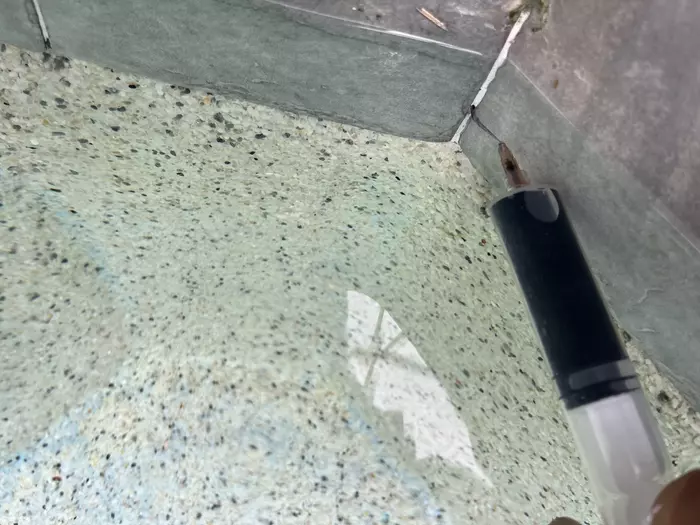
Plumbing leaks are among the most common causes of water damage in residential properties, and they can often remain hidden until significant damage occurs. In Merritt Island, coastal humidity, aging homes, and the prevalence of older plumbing infrastructure increase the likelihood of leaks. Left undetected, these leaks can lead to structural damage, mold growth, health risks, and costly repairs.
Professional water leak detection services are designed to locate hidden leaks quickly and accurately, providing homeowners with actionable solutions to prevent further damage. This comprehensive guide explores the causes of plumbing leaks, the benefits of professional detection, step-by-step detection processes, costs, and preventive measures for property owners in Merritt Island.
Why Water Leak Detection Is Critical for Merritt Island Homes
Even small leaks can escalate quickly in Florida’s humid environment. Water infiltrating walls, floors, or ceilings can:
- Compromise structural integrity
- Promote mold and mildew growth
- Damage flooring, drywall, and insulation
- Lead to elevated water bills
- Create health hazards for occupants
In rental or multi-family properties, undetected leaks can also lead to disputes with tenants and increased liability. Early detection through professional services is essential to mitigate these risks.
Common Causes of Plumbing Leaks
Understanding the typical sources of leaks can help homeowners anticipate and prevent problems:
1. Aging or Corroded Pipes
Older homes in Merritt Island may have galvanized or copper pipes prone to corrosion, cracks, or joint failures.
2. High Water Pressure
Excessive pressure can stress plumbing joints and lead to small leaks that worsen over time.
3. Shifting Foundations
Soil settling or movement can stress plumbing lines, particularly those beneath slabs or crawl spaces, causing cracks.
4. Faulty Fixtures and Appliances
Leaking toilets, faucets, dishwashers, or washing machines can create localized water damage.
5. Storm-Related Plumbing Stress
Heavy rains and flooding may exacerbate hidden weaknesses in plumbing systems, leading to leaks.
Early Warning Signs of Plumbing Leaks
Homeowners should monitor their properties for these warning signs:
- Sudden increases in water bills
- Damp spots on walls, ceilings, or floors
- Musty odors or visible mold growth
- Bubbling or peeling paint
- Warping or buckling of flooring
- Low water pressure or unusual noises in pipes
Even minor indicators warrant a professional inspection, as early detection prevents more extensive damage.
How Professional Water Leak Detection Works
Water leak detection combines specialized technology with expert assessment to locate hidden leaks accurately:
Acoustic Leak Detection
Microphones detect the sound of water escaping pipes behind walls or under floors.
Thermal Imaging
Infrared cameras identify temperature variations caused by moisture accumulation.
Moisture Meters
Non-invasive meters measure moisture levels in building materials, indicating potential leaks.
Video Pipe Inspection
CCTV cameras inserted into plumbing lines visually reveal cracks, corrosion, or blockages.
Pressure Testing
Monitors fluctuations in water pressure to pinpoint leaks within plumbing systems.
Step-by-Step Leak Detection Process
Step 1: Initial Assessment
Technicians evaluate the property layout, plumbing system, history of leaks, and any visible water damage.
Step 2: Non-Invasive Detection
Acoustic sensors, thermal cameras, and moisture meters locate suspected leak areas without damaging walls or flooring.
Step 3: Confirmation
Video inspection or localized pressure testing confirms the exact location and severity of the leak.
Step 4: Reporting and Recommendations
Homeowners receive a detailed report including:
- Leak location and type
- Suggested repairs
- Estimated costs and preventive measures
Benefits of Professional Leak Detection
Early Damage Prevention
Quick identification of leaks prevents structural damage and mold growth.
Cost Efficiency
Accurate detection minimizes the need for extensive demolition and reduces repair costs.
Health and Safety
Mitigates moisture-related mold growth and protects indoor air quality.
Insurance Documentation
Professional reports support claims for water damage coverage.
Peace of Mind
Ensures that all leaks are addressed before they cause significant damage.
Costs of Water Leak Detection
Costs depend on the size of the property, the complexity of the plumbing system, and the methods used:
- Small single-room detection: $150–$400
- Medium homes (multiple rooms): $400–$800
- Large or complex properties (video inspection, slab leaks): $800–$1,500+
Though the upfront cost may seem high, early detection often saves homeowners thousands in repair and mold remediation costs.
Post-Detection Steps
After a leak is detected:
- Repair the Leak: Replace or repair damaged pipes, joints, or fixtures.
- Dry and Dehumidify: Remove residual moisture to prevent mold growth.
- Inspect for Mold: Assess affected areas and treat any microbial contamination.
- Repair Structural Damage: Replace damaged drywall, flooring, or insulation.
- Verification: Ensure moisture levels return to safe levels and leaks are fully resolved.
Professional leak detection ensures precise repair and reduces unnecessary property damage.
Preventive Measures for Homeowners
- Annual Plumbing Inspections
Schedule routine checks to identify weak points or early signs of wear. - Monitor Water Bills
Unexpected increases can indicate hidden leaks. - Install Smart Leak Detectors
Place sensors in high-risk areas to alert homeowners early. - Maintain HVAC and Water Heating Systems
Regular maintenance prevents leaks from water heaters or condensate lines. - Foundation and Pipe Inspections
Check for soil shifts or settling that may stress plumbing lines. - Storm Preparedness
Secure plumbing before tropical storms or heavy rainfall events.
Real-World Example
A Merritt Island homeowner noticed a subtle musty odor and a slight increase in the water bill. Professional leak detection revealed:
- A hidden pipe leak behind a kitchen wall
- Moisture accumulation in drywall and flooring
Restoration included:
- Targeted pipe repair
- Drying and dehumidification
- Replacement of compromised drywall
- Verification to ensure no residual moisture
Early detection prevented structural damage, mold growth, and costly repairs.
Choosing a Professional Leak Detection Service
When hiring a service provider, consider:
- Licensing, insurance, and certifications
- Experience with non-invasive leak detection methods
- Use of modern equipment (acoustic sensors, thermal cameras, video inspection)
- Ability to provide detailed reports and recommendations
- Positive local references and reviews
Avoid companies that rely solely on visual inspection or provide “quick fixes” without proper verification.
Final Thoughts
Plumbing leaks are a silent but significant threat to Merritt Island homes. Professional water leak detection offers:
- Early and accurate identification of hidden leaks
- Prevention of water damage and mold growth
- Reduced repair costs through targeted interventions
- Protection of health and indoor air quality
- Documentation for insurance purposes
Property owners who invest in leak detection gain peace of mind, knowing their homes are protected from hidden water damage. Proactive inspection, timely repair, and preventive strategies ensure safe, resilient, and well-maintained properties in Merritt Island.