
Water Leak Detection Services in Melbourne from AC Condensation: Early Signs You Should Not Ignore
Air conditioning systems are a necessity in Melbourne homes, especially during Florida’s long, humid cooling season. However, many homeowners do not realize that their AC system can also become a hidden source of water leaks. When condensation drainage fails, water can slowly spread into walls, ceilings, and flooring before anyone notices.
Unlike plumbing bursts or storm flooding, AC condensation leaks often develop quietly. By the time visible damage appears, moisture may already have spread throughout hidden areas, creating conditions for mold growth and structural damage.
Understanding early warning signs and how professional leak detection services work can help homeowners in Melbourne prevent long-term problems and costly repairs.
How AC Condensation Leads to Water Leaks
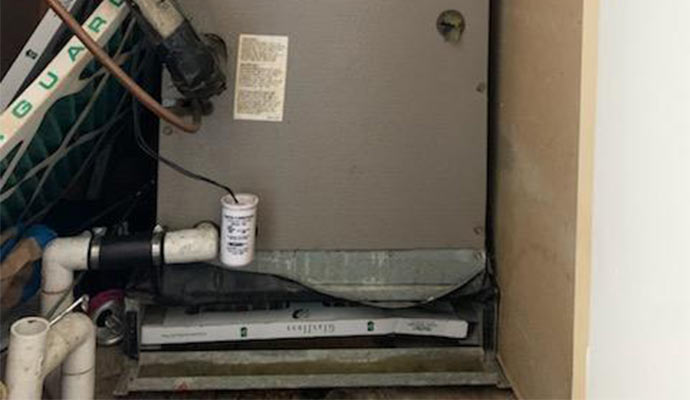
Air conditioners remove moisture from indoor air as they cool the home. The captured moisture collects on evaporator coils and drains through a condensate line designed to carry water safely outside.
Problems occur when the drainage system fails or becomes obstructed. Common causes include:
• Clogged condensate drain lines
• Overflowing drain pans
• Improper AC installation
• Lack of routine maintenance
• High humidity overwhelming drainage systems
When drainage fails, water may overflow into ceilings, walls, or flooring areas. Because many AC systems operate daily for months, leaks may continue unnoticed for long periods.
Why Condensation Leaks Are Common in Melbourne Homes
Melbourne and nearby communities such as Palm Bay, Rockledge, and Satellite Beach experience high humidity for much of the year. Air conditioners run constantly, creating large amounts of condensation.
Several local factors increase leak risks:
• High year-round humidity levels
• Aging AC systems or clogged drain lines
• Attic-installed air handlers leaking unnoticed
• Poor attic ventilation trapping moisture
• Coastal humidity slowing drying
Homes located closer to coastal areas like Cocoa Beach and Merritt Island often experience even slower drying conditions, making condensation leaks more problematic.
Early Warning Signs Homeowners Should Watch For
Condensation leaks rarely cause immediate flooding. Instead, small signs appear first, often ignored until damage worsens.
Common early warning signs include:
• Water stains on ceilings or walls
• Musty odors near vents or AC closets
• Damp carpet or flooring near AC systems
• Peeling paint or bubbling drywall
• AC shutting off unexpectedly
• Increased indoor humidity
• Mold spots near vents or baseboards
Because leaks often occur above ceilings or inside closets, signs may appear far from the actual source.
Hidden Damage Often Develops Before Detection
AC condensation leaks frequently affect areas homeowners cannot easily see.
Hidden damage commonly occurs in:
• Ceiling cavities beneath attic air handlers
• Walls near AC closets
• Insulation soaked by leaks
• Flooring beneath units or ducts
• Air ducts exposed to moisture
• Cabinet bases near leak locations
Water can travel along framing and spread across ceilings or walls before becoming visible.
Why DIY Leak Detection Often Misses the Source
When homeowners notice stains or moisture, they may assume the cause is roof damage or plumbing problems. Many attempt basic fixes or cosmetic repairs.
DIY leak detection usually fails because:
• Water travels away from the original source
• Moisture hides inside walls or insulation
• Leaks occur only when AC runs
• Mold may already be forming unseen
Without professional tools, identifying the true source becomes difficult.
How Professional Water Leak Detection Works
Professional leak detection services use specialized tools to locate moisture without unnecessary damage to walls or ceilings.
Technicians typically use:
• Moisture meters to detect damp materials
• Thermal imaging cameras to reveal hidden moisture pockets
• Inspection cameras in wall cavities
• Drain line and HVAC inspections
• Humidity measurements inside rooms
These methods allow professionals to pinpoint condensation leaks accurately and recommend proper solutions.
What Happens After a Leak Is Detected
Once technicians identify the leak source, restoration professionals follow a structured repair and drying process.
Step 1: Fixing the Drainage Problem
Technicians clear or repair drain lines and correct system issues causing overflow.
Step 2: Controlled Opening of Affected Areas
Only necessary wall or ceiling sections are opened to access wet materials.
Step 3: Removal of Damaged Materials
Water-damaged insulation or drywall may require removal if drying is impossible.
Step 4: Structural Drying
Air movers and dehumidifiers remove moisture trapped in framing and materials.
Step 5: Mold Cleaning if Needed
If mold growth has started, affected areas are cleaned and treated.
Step 6: Moisture Verification
Final inspections confirm materials have dried before repairs begin.
Mold Risks from Condensation Leaks
Moisture from condensation leaks creates ideal conditions for mold growth. Mold spores naturally exist indoors, but growth occurs when materials stay wet.
Conditions that promote mold include:
• Warm temperatures
• Persistent moisture
• Organic building materials
• Limited airflow
Without proper drying, mold growth often follows condensation leaks.
HVAC Systems and Moisture Spread
Leaks occurring near HVAC systems sometimes contaminate air ducts or air handlers. When the system runs, spores may spread throughout the home.
Signs HVAC systems may be affected include:
• Musty odors when AC runs
• Dust buildup near vents
• Uneven cooling
• Increased allergy irritation indoors
Professional inspections often include HVAC evaluation when moisture is found nearby.
Preventing Future Condensation Leaks
Homeowners in Melbourne can reduce risks with regular maintenance and early intervention.
Preventive measures include:
• Scheduling annual AC inspections
• Cleaning drain lines regularly
• Installing overflow safety switches
• Checking attic air handlers periodically
• Monitoring indoor humidity levels
• Using dehumidifiers when necessary
Routine maintenance helps prevent unexpected leaks and damage.
Why Local Experience Matters
Moisture problems behave differently depending on construction style and regional climate. Professionals familiar with Melbourne and surrounding Brevard County communities understand common leak patterns and how Florida humidity impacts homes.
Many homeowners rely on experienced local providers such as Palm Bay Mold Removal because local knowledge helps ensure accurate detection and effective remediation.
Local expertise helps address root causes rather than temporary fixes.
Acting Early Prevents Bigger Problems
AC condensation leaks often begin quietly but can lead to serious water damage and mold growth if ignored. Addressing early warning signs helps prevent costly repairs later.
Scheduling professional leak detection after noticing moisture signs ensures hidden damage is discovered before it spreads. Proper inspection and remediation restore safe, dry indoor conditions.
Taking prompt action helps Melbourne homeowners protect their homes, maintain indoor comfort, and avoid future moisture-related problems.