
Water Damage Restoration Services in Viera from Poor Ventilation: Costs, Causes, and Solutions
When homeowners in Viera think about water damage, they usually picture hurricanes, roof leaks, or plumbing failures. But one of the most overlooked causes of water damage in Florida homes is poor ventilation. In a high-humidity environment like Brevard County, trapped air can create condensation that slowly damages ceilings, walls, insulation, and even flooring.
Poor ventilation doesn’t cause dramatic flooding. It causes gradual saturation. Over time, that repeated condensation turns into staining, soft drywall, warped trim, and elevated humidity inside the home.
Water damage restoration services in Viera often address these slow-developing moisture problems before they escalate into structural deterioration or mold contamination. Understanding the causes, costs, and solutions can help homeowners prevent long-term damage.
Why Poor Ventilation Causes Water Damage in Viera
Viera experiences:
High year-round humidity
Long air-conditioning seasons
Warm attic temperatures
Frequent summer storms
Slow natural drying
When airflow is restricted or unbalanced, humid air becomes trapped in:
Attics
Ceiling cavities
Wall voids
HVAC systems
Condensation forms when warm, moisture-heavy air meets cooler surfaces like drywall or ductwork. This moisture accumulates gradually.
Homes in nearby Rockledge and Suntree experience similar humidity patterns, but ventilation design and insulation quality influence how moisture spreads.
Over time, repeated condensation can mimic the effects of a slow roof leak.
Common Causes of Ventilation-Related Water Damage
Several ventilation issues contribute to moisture buildup:
Blocked soffit or ridge vents
Insufficient attic ventilation
Disconnected or poorly insulated ductwork
Restricted return airflow
Clogged AC condensate drain lines
Improperly sized HVAC systems
Exhaust fans not vented outdoors
When airflow is disrupted, humidity remains trapped indoors.
Repeated cycles of condensation lead to measurable water damage.
Early Warning Signs You Should Not Ignore
Ventilation-related water damage often appears subtle at first.
Watch for:
Ceiling stains that worsen during humid months
Musty odors in upper rooms
Peeling paint near attic access
Dark rings around air vents
Indoor humidity consistently above 60 percent
Soft drywall near rooflines
If staining appears without heavy rainfall or plumbing leaks, condensation may be the cause.
Early detection reduces restoration scope.
The Water Damage Restoration Process
Step 1: Identify and Correct the Ventilation Issue
Restoration begins with identifying airflow problems.
This may involve:
Clearing blocked vents
Improving attic ventilation
Repairing duct insulation
Balancing HVAC airflow
Flushing condensate drain lines
Without correcting ventilation, water damage will return.
Palm Bay Mold Removal often begins Viera ventilation-related restoration projects with moisture detection and airflow evaluation before structural drying begins.
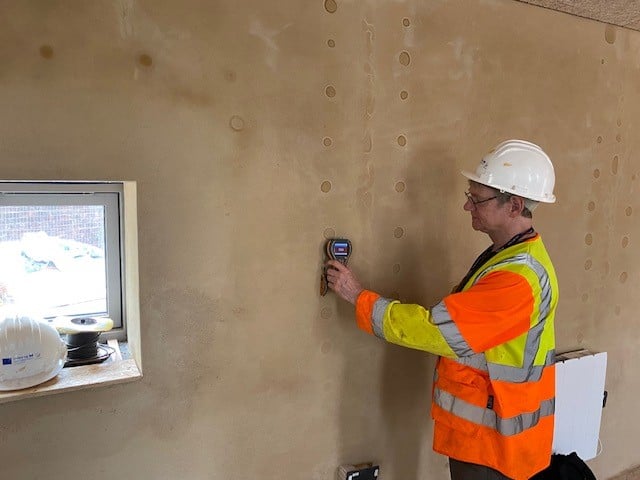
Step 2: Moisture Detection and Mapping
Moisture meters measure dampness in:
Drywall
Framing
Insulation
Subfloors
Thermal imaging may identify hidden condensation patterns.
Mapping defines wet and dry boundaries.
Surface dryness does not confirm structural dryness.
Accurate detection prevents incomplete restoration.
Step 3: Removal of Saturated Materials
Porous materials that cannot dry effectively may require removal.
This may include:
Lower drywall sections
Insulation
Baseboards
Carpet padding
Selective removal limits reconstruction costs.
Leaving damp materials increases mold risk.
Step 4: Controlled Drying and Dehumidification
Drying requires:
Commercial dehumidifiers
High-velocity air movers
Humidity monitoring
Florida’s humid climate slows evaporation.
Indoor humidity should remain below 60 percent during drying.
Moisture readings confirm when materials are stable.
Reconstruction should not begin until drying is verified.
Understanding Restoration Costs
Costs vary depending on several factors.
1. Size of the Affected Area
Localized ceiling staining costs less than widespread attic and wall involvement.
The larger the affected area, the more equipment and labor required.
2. Duration of Moisture Exposure
The longer condensation has been occurring, the deeper it penetrates materials.
Extended exposure increases material removal and drying time.
3. Type of Materials Involved
Drywall and insulation are easier to replace than structural framing.
Flooring replacement increases overall cost.
4. HVAC and Ventilation Repairs
Improving attic ventilation or correcting duct problems adds to project scope.
However, these corrections prevent recurrence.
Early detection significantly reduces total expense.
Long-Term Solutions to Prevent Recurrence
Water damage restoration must be paired with preventative improvements.
Improve Attic Airflow
Ensure soffit and ridge vents are clear.
Install additional ventilation if needed.
Balanced airflow reduces condensation.
Maintain HVAC Systems
Replace filters regularly.
Flush condensate drain lines monthly.
Inspect drain pans annually.
Schedule routine AC maintenance.
Monitor Indoor Humidity
Install a hygrometer.
Maintain humidity below 60 percent.
Use dehumidifiers during peak summer months.
Seal Air Gaps
Seal small openings around attic penetrations and duct connections.
Reducing humid air infiltration improves stability.
Why Local Experience Matters
Viera homes vary from newer planned developments to custom coastal-style properties.
Florida’s humidity creates moisture behavior different from dry climates.
Professionals familiar with Brevard County construction understand slab foundations, attic layouts, and HVAC systems common in Viera neighborhoods.
Palm Bay Mold Removal has worked extensively throughout Viera and surrounding communities, addressing ventilation-related water damage specific to Florida’s environment.
Protecting Your Home Long-Term
Water damage restoration services in Viera from poor ventilation require more than drying stained ceilings. They involve identifying airflow problems, correcting humidity imbalances, removing saturated materials, and stabilizing the indoor environment.
Ignoring early signs such as musty odors or minor ceiling stains increases long-term repair costs.
By combining moisture detection, proper ventilation upgrades, controlled drying, and preventative maintenance, homeowners can protect their properties effectively.
In Florida’s humid climate, balanced airflow and early restoration remain the most reliable solutions for preventing future damage caused by poor ventilation.