
Water Damage Restoration in Satellite Beach after storm damage: Complete Guide for Homeowners
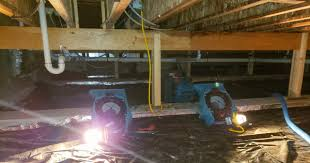
Storms are a familiar part of life in Satellite Beach, but the damage they leave behind can catch homeowners off guard. High winds, heavy rainfall, and coastal storm surges frequently lead to water intrusion that affects roofs, walls, flooring, and hidden structural areas.
After a major storm passes, many homeowners focus on visible cleanup, assuming the home will dry naturally. Unfortunately, water damage rarely stops at what can be seen. Moisture often spreads deep into building materials, creating conditions that can lead to mold growth and structural deterioration if restoration is delayed.
Understanding how professional water damage restoration works helps homeowners in Satellite Beach recover quickly and protect their homes from long-term problems.
What Storm-Related Water Damage Looks Like
Water damage after storms can come from several sources at once. Roof leaks, broken windows, overwhelmed drainage systems, and rising groundwater can all allow water to enter homes.
Commonly affected areas include:
- Living rooms and bedrooms with roof leaks
- Kitchens and cabinets affected by water intrusion
- Flooring and subfloors soaked by flooding
- Wall cavities holding trapped moisture
- Crawl spaces filled with damp air or standing water
- Attics with wet insulation after roof damage
Even when surfaces appear dry within a day or two, moisture often remains hidden inside materials. Without proper drying, this trapped moisture leads to mold and ongoing structural problems.
Why Satellite Beach Homes Face Frequent Storm Damage
Satellite Beach homes are especially vulnerable due to their coastal location. Several environmental factors increase storm-related water risks:
- Proximity to ocean storm surge and coastal flooding
- Heavy seasonal rainfall
- High humidity slowing drying
- Wind-driven rain entering roof or siding gaps
- Older homes with aging roofing materials
- AC systems producing condensation during hot weather
Nearby communities like Cocoa Beach, Merritt Island, Melbourne, and Palm Bay experience similar issues, especially after hurricanes or strong tropical systems.
Because of the coastal environment, homes often require professional drying rather than relying on natural ventilation.
Common Signs Homeowners Notice After Storms
Some damage appears immediately, while other issues develop gradually. Homeowners often report:
- Musty smells inside the home
- Ceiling or wall discoloration
- Warped or buckling floors
- Damp carpets or rugs
- Peeling paint or bubbling drywall
- Increased indoor humidity
- Mold spots appearing days or weeks later
When these signs appear, moisture is usually still present inside walls or flooring.
Hidden Water Damage Areas
Storm water often travels beyond visible spaces. Restoration teams frequently discover moisture in hidden locations such as:
- Behind drywall and insulation
- Beneath tile or laminate flooring
- Inside cabinets and closets
- Attic insulation after roof leaks
- Crawl spaces beneath homes
- HVAC duct systems
These hidden pockets allow mold growth to begin even after surface areas seem dry.
Why DIY Cleanup Often Falls Short
After storms, many homeowners attempt cleanup themselves using fans, mops, or small dehumidifiers. While helpful for minor water spills, these methods rarely address deeper moisture problems.
DIY cleanup often misses:
- Moisture trapped behind walls
- Wet insulation that cannot dry naturally
- Contaminated materials needing removal
- Crawl space or attic dampness
- Moisture inside HVAC systems
Without professional equipment and inspection, problems often return later as mold growth or odors.
Professional Inspection and Moisture Detection
The restoration process begins with a detailed inspection. Specialists use professional tools to locate hidden moisture and determine how far water has spread.
Inspection methods may include:
- Moisture meters for walls and floors
- Thermal imaging cameras
- Humidity level monitoring
- Evaluation of insulation and structural materials
- Mold testing if contamination is suspected
This step ensures restoration addresses the entire affected area, not just visible damage.
How Professional Water Damage Restoration Works
Restoration teams follow a structured approach to fully dry and repair homes after storm damage.
Water Extraction
Powerful pumps and extraction equipment remove standing water quickly.
Removal of Damaged Materials
Severely soaked drywall, insulation, or flooring may need removal to prevent mold growth.
Structural Drying
Industrial air movers and dehumidifiers dry structural materials thoroughly.
Cleaning and Sanitizing
Affected areas are cleaned to remove contaminants brought in by storm water.
Repairs and Reconstruction
Once drying is complete, repairs restore the home to safe living conditions.
Proper restoration protects the home from future problems and reduces repair costs over time.
Impact on HVAC and Air Duct Systems
Water intrusion often affects air conditioning systems, especially when flooding or high humidity spreads moisture into ducts and air handlers.
Common HVAC-related issues after storms include:
- Mold growth in ducts
- Musty odors when AC runs
- Reduced airflow
- Increased indoor humidity
Professional duct inspection and cleaning help prevent mold spores from spreading through indoor air systems.
Preventing Mold After Storm Damage
After restoration, homeowners can reduce future risks by focusing on moisture control and maintenance.
Helpful prevention steps include:
- Inspect roofs and gutters regularly
- Seal windows and exterior gaps
- Keep drainage systems clear
- Service AC systems annually
- Improve attic and crawl space ventilation
- Address leaks immediately
- Monitor indoor humidity levels
Homes that remain dry and well ventilated are far less likely to experience mold problems.
Why Local Restoration Experience Matters
Homes in Satellite Beach differ from inland homes due to coastal exposure, salt air, and storm patterns. Restoration professionals familiar with Brevard County conditions understand how moisture behaves in coastal properties.
Technicians working throughout Satellite Beach, Melbourne, Merritt Island, Viera, and Palm Bay recognize common storm damage patterns and tailor restoration plans accordingly.
Homeowners often trust experienced local providers such as Palm Bay Mold Removal because they understand regional weather challenges and construction styles, allowing them to provide solutions suited to local homes.
Taking Action After Storm Damage
Storm damage can feel overwhelming, but quick action significantly reduces long-term problems. Addressing water intrusion early prevents mold growth, protects structural materials, and restores comfortable living conditions faster.
Homeowners who schedule professional inspections after storms gain peace of mind knowing hidden moisture has been located and removed properly.
Restoration not only repairs current damage but also helps protect homes against future storms, ensuring families in Satellite Beach can enjoy safe, comfortable living spaces long after severe weather passes.