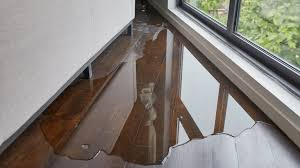
Water Damage Restoration in Palm Bay After Roof Leaks: A Local Homeowner Guide
Roof leaks in Palm Bay can cause extensive damage if not addressed promptly. Water infiltration from damaged shingles, flashing, or gutters can affect ceilings, walls, flooring, and HVAC systems, creating conditions for mold growth and structural deterioration. For homeowners and property managers, understanding water damage restoration after roof leaks is essential for maintaining property value, indoor air quality, and long-term safety.
Building on lessons from Merritt Island mold remediation after plumbing leaks, this guide provides a detailed overview of water damage restoration in Palm Bay homes. It covers causes, early warning signs, inspection and assessment, restoration processes, preventive strategies, and cost considerations tailored to the local climate and construction styles.
Understanding Water Damage from Roof Leaks
Roof leaks can be deceptive. Even small leaks may seep into attics, walls, and ductwork, causing hidden damage. The consequences of untreated leaks include:
- Structural damage: Prolonged water exposure weakens wood framing, ceiling joists, and subflooring.
- Mold growth: Damp areas encourage microbial colonization, impacting indoor air quality.
- HVAC contamination: Water intrusion into ducts or air handlers spreads moisture and mold spores throughout the home.
- Electrical hazards: Water in ceilings or walls can compromise wiring and outlets, creating fire risks.
Palm Bay’s humid climate and frequent storms make timely intervention critical to prevent minor leaks from escalating into major damage.
Common Causes of Roof Leaks in Palm Bay
Understanding typical leak sources helps homeowners prevent water damage:
- Aging roofs: Worn shingles, flashing, and sealants are vulnerable to water penetration.
- Storm damage: High winds, heavy rain, and hurricanes increase the risk of leaks.
- Clogged gutters and downspouts: Water overflow can seep under roof edges and saturate attic areas.
- Improper roof installation: Poorly installed flashing or vents can allow water entry.
- Ice or debris accumulation: While less common in Florida, accumulated debris can trap moisture and damage roof shingles.
Identifying and addressing these causes promptly reduces the likelihood of hidden water damage.
Early Warning Signs of Water Damage
Homeowners should be vigilant for the following indicators:
- Water stains or discoloration on ceilings and walls
- Damp or sagging drywall and warped flooring
- Musty or moldy odors in rooms, attics, or crawl spaces
- Visible mold growth near vents, windows, or roof junctions
- Reduced HVAC efficiency or unusual odors from air ducts
- Pooled water in attics or near roof penetrations
Early recognition allows for timely inspection and restoration, minimizing structural and health risks.
Step 1: Professional Inspection and Assessment
A professional inspection is the first step in effective water damage restoration:
Visual Assessment
Technicians examine the roof, attic, ceilings, walls, and flooring for visible water damage, leaks, or mold.
Moisture Detection
Tools such as moisture meters, thermal imaging cameras, and hygrometers identify hidden moisture behind walls, under flooring, and within ceilings.
HVAC Inspection
Air ducts and HVAC components are checked for water intrusion, contamination, or microbial growth.
Documentation
Comprehensive reports detail affected areas, moisture levels, and recommended restoration steps, providing a roadmap for repair and insurance purposes.
Professional inspection ensures no hidden damage is overlooked, which is critical for preventing future issues.
Step 2: Containment and Safety Measures
During restoration, containment prevents water spread and minimizes mold growth:
- Seal off affected areas with plastic sheeting
- Turn off HVAC systems to prevent contamination circulation
- Use protective clothing, gloves, and masks for technicians
- Remove or protect furniture and personal belongings
Proper containment safeguards occupants and ensures a safe, efficient restoration process.
Step 3: Water Extraction and Drying
Removing water quickly is essential to prevent structural damage and mold growth:
- Water extraction: Pumps and wet/dry vacuums remove standing water from floors, carpets, and subflooring.
- Drying and dehumidification: Industrial air movers and dehumidifiers remove residual moisture from walls, ceilings, and attics.
- Monitoring: Moisture levels are continuously checked to ensure complete drying before repairs or restoration.
Timely drying reduces the likelihood of secondary damage, such as mold or wood rot.
Step 4: Mold Prevention and Remediation
Roof leaks can create environments conducive to mold growth:
- Remove water-damaged drywall, insulation, and flooring if necessary
- Apply EPA-approved antimicrobial solutions to affected surfaces
- Inspect and clean HVAC ducts if contamination is detected
- Ensure attics and crawl spaces are thoroughly dried and ventilated
Professional remediation restores indoor air quality and prevents mold recurrence.
Step 5: Structural Repairs and Restoration
After drying and mold prevention, repairs restore the home’s structural integrity:
- Replace damaged drywall, insulation, and flooring
- Repair roof components, including shingles, flashing, and vents
- Seal attic and ceiling penetrations to prevent future leaks
- Restore electrical or HVAC systems affected by water damage
Complete restoration ensures the property is safe, functional, and protected against future water intrusion.
Hidden Areas Often Overlooked
Water from roof leaks may affect concealed areas:
- Attic and roof cavities
- Crawl spaces and subflooring
- Behind cabinets or wall panels
- HVAC ducts and air handler units
Advanced detection tools and professional expertise are crucial for identifying these hidden problem zones.
Health Implications of Water Damage and Mold
Untreated water damage can lead to mold growth, which negatively impacts health:
- Allergic reactions, including sneezing, coughing, and itchy eyes
- Asthma flare-ups or respiratory discomfort
- Musty odors reducing comfort
- Long-term exposure increasing susceptibility to infections
Professional water damage restoration safeguards both property and occupants.
Costs of Water Damage Restoration
Restoration costs vary depending on home size, severity, and repair needs:
- Minor water extraction and drying: $500–$2,000
- Moderate restoration with minor structural repairs: $3,000–$5,000
- Extensive damage with mold remediation and major structural repair: $5,000+
Early intervention reduces long-term costs and prevents escalating structural issues.
Preventive Measures for Homeowners
To minimize water damage risks from roof leaks:
- Schedule regular roof inspections and maintenance
- Keep gutters and downspouts clear of debris
- Maintain flashing, vents, and roof seals in good condition
- Address leaks immediately to prevent hidden damage
- Ensure proper attic ventilation to reduce moisture accumulation
- Clean and maintain HVAC systems and ducts
Preventive maintenance preserves structural integrity and indoor air quality, reducing future restoration needs.
Why Local Expertise Matters
Palm Bay’s climate, with high humidity, frequent storms, and aging homes, requires local expertise for effective water damage restoration:
- Professionals understand common water intrusion points in Palm Bay homes
- Technicians detect hidden water and mold efficiently
- Local knowledge ensures preventive strategies are tailored to Florida conditions
- Timely intervention minimizes property damage and restoration costs
Companies like Palm Bay Mold Removal combine advanced tools and local experience to protect homes effectively.
Practical Steps for Homeowners
- Inspect roof and attic regularly for leaks, water stains, or damage.
- Schedule professional water damage inspection if moisture is detected.
- Contain affected areas to prevent further water spread.
- Extract standing water and dry affected areas thoroughly.
- Remediate mold if contamination is present.
- Repair structural damage, roofing, and affected HVAC components.
- Implement preventive maintenance: roof inspections, gutter cleaning, AC maintenance, and duct inspections.
- Monitor indoor air quality and moisture levels continuously.
Following these steps ensures safe, healthy, and structurally sound homes in Palm Bay.
Final Thoughts
Water damage restoration after roof leaks is critical for Palm Bay homeowners to protect structural integrity, maintain indoor air quality, and prevent mold growth. Professional inspection, water extraction, drying, remediation, and preventive measures address both visible and hidden damage effectively.
Building on insights from Merritt Island mold remediation after plumbing leaks, Palm Bay property owners can appreciate the importance of early detection, local expertise, and proactive maintenance. Investing in professional restoration ensures long-term comfort, safety, and property value.