Warning Signs and Prevention: Water Leak Detection in Viera After Plumbing Leaks
Plumbing leaks are one of the most common causes of hidden water damage in homes throughout Viera. Sometimes a leak is obvious, such as a burst pipe or water pooling under a sink. But in many cases, leaks develop slowly behind walls, beneath flooring, or inside ceilings, allowing moisture to spread unnoticed for weeks or even months.
In Florida’s humid climate, even a small plumbing leak can lead to significant moisture buildup, structural damage, and mold growth if not detected early. Understanding the warning signs and knowing how leak detection works can help homeowners in Viera prevent costly repairs and long-term problems.
What Happens After a Plumbing Leak
When a plumbing leak occurs, water doesn’t always remain in one place. It often spreads through porous materials such as drywall, insulation, wood framing, and flooring. These materials absorb moisture, allowing dampness to remain long after visible water disappears.
Even minor leaks can cause:
- Increased indoor humidity
- Warping or softening of wood
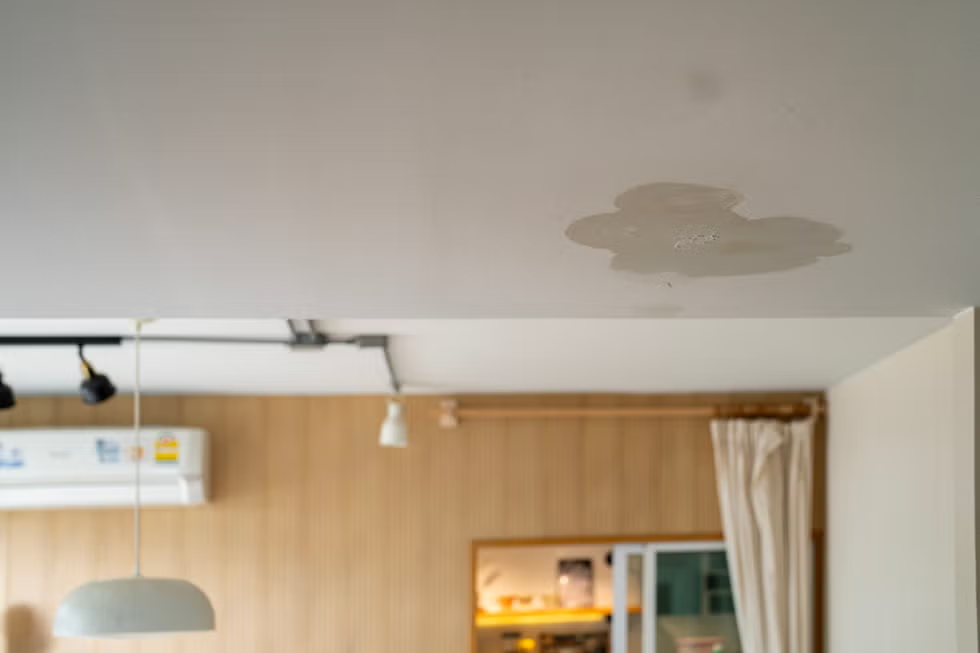
- Staining on ceilings or walls
- Mold growth in hidden areas
- Damage to subflooring or insulation
Because water travels along framing and structural surfaces, the visible damage is often only a small part of the actual problem.
Why Plumbing Leaks Are Common in Viera
Homes in Viera and nearby communities like Melbourne, Rockledge, and Merritt Island face environmental conditions that can worsen the effects of plumbing leaks.
High humidity slows drying
Moisture remains trapped in materials longer than in drier climates.
Warm temperatures accelerate deterioration
Damp materials break down more quickly when exposed to heat.
Frequent storms and seasonal rains
Humidity levels rise indoors, making it harder for damp areas to dry naturally.
Air conditioning systems
AC systems remove moisture but may not fully dry enclosed wall cavities or flooring.
These factors mean that even a small leak can lead to long-term moisture problems if not detected early.
Early Warning Signs Homeowners Should Not Ignore
Plumbing leaks often reveal themselves through subtle changes rather than obvious flooding. Recognizing these early signs is one of the most effective ways to prevent serious damage.
Unexplained musty odors
Persistent damp smells often indicate hidden moisture behind walls or under flooring.
Water stains or discoloration
Yellow or brown stains on ceilings or walls usually signal a slow leak above or inside the structure.
Peeling paint or bubbling drywall
Moisture trapped behind surfaces causes finishes to separate and warp.
Higher water bills
An unexplained increase in water usage may indicate a hidden leak.
Soft or uneven flooring
Subflooring can weaken when exposed to moisture for extended periods.
Ignoring these warning signs often allows damage to spread into structural materials and HVAC systems.
Hidden or Overlooked Leak Locations
Many plumbing leaks occur in areas homeowners rarely inspect.
Behind walls
Supply lines and drain pipes may develop small leaks that go unnoticed for long periods.
Under sinks and cabinets
Slow drips can saturate cabinet bases and flooring.
Inside ceilings
Leaks from upper floors or attic plumbing can spread across ceiling surfaces before becoming visible.
Around water heaters and appliances
Connections and valves are common failure points.
Beneath flooring
Leaks in slab or subfloor plumbing can remain hidden until damage becomes significant.
Professional leak detection is often necessary to locate these hidden sources accurately.
Why DIY Detection Often Misses the Problem
Homeowners sometimes attempt to locate leaks by visually inspecting plumbing fixtures or listening for dripping sounds. While these methods may identify obvious leaks, they rarely detect moisture inside walls or under floors.
DIY methods often miss:
- Moisture trapped in insulation
- Slow leaks in concealed pipes
- Water migration through structural materials
- Early-stage mold growth
Professional leak detection uses specialized tools that can identify moisture before visible damage appears.
Professional Water Leak Detection Explained
A professional inspection focuses on locating both the leak and any hidden moisture that may have spread beyond the original source.
Technicians typically use:
- Moisture meters to measure dampness in walls and floors
- Thermal imaging to locate temperature differences caused by moisture
- Visual inspection of plumbing systems and fixtures
- Humidity measurements to identify problem areas
This approach helps determine the full extent of damage and guides the repair and drying process.
Professionals familiar with homes in Viera and surrounding Brevard County communities understand common plumbing layouts and moisture patterns, allowing them to locate leaks more efficiently.
Mold Risks After Plumbing Leaks
One of the biggest concerns after a plumbing leak is mold growth. Mold can begin developing within 24 to 48 hours in damp environments, especially in Florida’s warm climate.
Areas most at risk include:
- Behind drywall
- Inside cabinets
- Beneath carpets and padding
- In attic or crawl space insulation
When mold is discovered, remediation may be necessary to remove contamination and restore a dry environment.
Palm Bay Mold Removal and similar local specialists often emphasize the importance of early leak detection because controlling moisture is the most effective way to prevent mold problems.
Water Damage Repair and Restoration
Once a leak is repaired, drying and restoration are essential to prevent long-term damage. Water damage restoration typically includes:
- Removing wet materials when necessary
- Using drying equipment to reduce moisture
- Cleaning and sanitizing affected areas
- Monitoring moisture levels until materials are fully dry
These steps help restore structural integrity and prevent secondary damage.
Air Ducts and Indoor Air Quality Considerations
Plumbing leaks can also affect HVAC systems, particularly when leaks occur in ceilings or walls near ductwork. Moisture may enter ducts or insulation, allowing contaminants to spread through airflow.
Possible HVAC-related issues include:
- Musty odors circulating through vents
- Dust and debris buildup
- Reduced airflow
- Increased indoor humidity
Inspecting duct systems after significant leaks can help prevent indoor air quality problems.
How to Prevent Plumbing Leak Damage in the Future
Preventive maintenance plays a major role in protecting homes from water damage.
Property owners in Viera can reduce risks by:
- Inspecting plumbing fixtures regularly
- Checking under sinks and behind appliances
- Monitoring water pressure
- Repairing small leaks promptly
- Scheduling periodic professional inspections
- Installing water leak detection devices where appropriate
Even simple routine checks can help identify problems early.
Why Local Experience Matters
Water damage behaves differently in coastal Florida than in drier climates. Homes in Viera, Melbourne, Satellite Beach, and Titusville often share similar construction methods and environmental conditions.
Professionals familiar with the region understand:
- How humidity affects drying times
- Where hidden moisture commonly accumulates
- Which areas of homes are most vulnerable to leaks
Palm Bay Mold Removal and other local specialists often tailor inspection and restoration approaches to these regional conditions, helping homeowners achieve more reliable results.
A Practical Next Step for Homeowners
If you notice musty odors, stains, or unexplained humidity after a plumbing issue, it’s wise to have the area inspected. Early leak detection and drying can prevent costly structural damage and reduce the risk of mold growth.
Addressing moisture quickly helps maintain indoor air quality, protects building materials, and ensures your home remains comfortable and safe even in Florida’s humid climate.