
Warning Signs and Prevention: Water Leak Detection in Satellite Beach in Coastal Homes
Living in Satellite Beach means enjoying ocean breezes, strong property values, and beautiful coastal neighborhoods. It also means dealing with constant humidity, salt air exposure, and heavy seasonal storms. These environmental factors create one of the most overlooked risks for homeowners along the coast: hidden water leaks.
Water leak detection in Satellite Beach is not just about finding dripping pipes. In coastal homes, leaks are often subtle, slow, and concealed inside walls, ceilings, and flooring systems. If left unnoticed, they can lead to structural deterioration and mold growth in a surprisingly short amount of time.
Understanding the warning signs and knowing how to prevent leaks can save property owners significant repair costs and long-term damage.
Why Coastal Homes in Satellite Beach Face Higher Leak Risk
Satellite Beach sits directly along the Atlantic shoreline. The coastal climate brings high humidity levels year-round. During hurricane season and summer storm cycles, wind-driven rain becomes a major factor.
Unlike inland communities such as Viera or Titusville, coastal homes experience rain that moves horizontally during storms. This forces moisture into areas not typically exposed to direct rainfall, such as:
Roof edges and flashing
Window seams
Sliding glass door tracks
Soffits and attic vents
Salt air also accelerates wear on exterior sealants and metal components. Over time, small gaps develop, allowing moisture to enter the building envelope.
Even homes that appear well maintained can develop hidden intrusion points after years of coastal exposure.
Early Warning Signs of Hidden Water Leaks
Water leaks rarely begin with visible flooding. In most cases, the earliest signs are subtle and easy to dismiss.
Discolored spots forming on ceilings
Peeling or bubbling paint
Soft drywall near windows
Warped baseboards
Musty odors in certain rooms
Slightly elevated indoor humidity
These warning signs often indicate moisture trapped behind surfaces. In Satellite Beach’s humid environment, that moisture may not dry naturally.
Ceiling stains are particularly common after storms. Water can travel along rafters before finally appearing far from the original entry point.
Roof Leaks After Storm Activity
Coastal wind exposure places significant stress on roofing systems. High winds can loosen shingles or shift flashing around vents and chimneys.
After major storms, homeowners should inspect attic spaces for damp insulation or staining on the underside of roof decking. Even small leaks can cause ongoing damage if not identified early.
Because moisture in attics may not immediately drip into living spaces, professional leak detection is often necessary to confirm hidden intrusion.
Window and Door Seal Failures
Sliding glass doors and large coastal windows are popular features in Satellite Beach homes. However, these areas are highly vulnerable to seal failure.
Wind-driven rain can push water past deteriorated caulking or weather stripping. Over time, moisture accumulates inside wall cavities or beneath flooring near entry points.
Common signs of window or door-related leaks include:
Swollen wood trim
Damp carpet edges
Staining below window frames
Soft drywall corners
Routine inspection of seals and re-caulking as needed helps prevent these issues from escalating.
Plumbing Leaks Inside Walls and Cabinets
Not all water leaks originate from storms. Plumbing systems inside walls and beneath cabinets can develop slow leaks that go unnoticed.
In coastal climates, humidity may mask early warning signs. By the time visible staining appears, insulation and framing may already be saturated.
Homeowners should monitor for:
Soft cabinet bottoms
Warped laminate flooring
Persistent musty odors
Unusual increases in water bills
In some cases, slab foundation leaks can occur beneath the flooring. Moisture rising through slab cracks may cause flooring to warp or buckle.
Why Early Leak Detection Is So Important
Moisture trapped inside walls creates an ideal environment for mold growth. In Florida’s climate, mold can begin developing within 24 to 48 hours of materials becoming damp.
Early detection prevents:
Drywall breakdown
Insulation damage
Structural wood rot
Subfloor weakening
Mold contamination
What begins as a small, manageable repair can quickly require extensive drying and remediation if ignored.
In Satellite Beach and nearby Cocoa Beach, properties near the shoreline face constant humidity pressure, making rapid response even more important.
How Professional Water Leak Detection Works
Professional leak detection goes beyond visible inspection. Technicians use specialized equipment to identify moisture hidden behind surfaces.
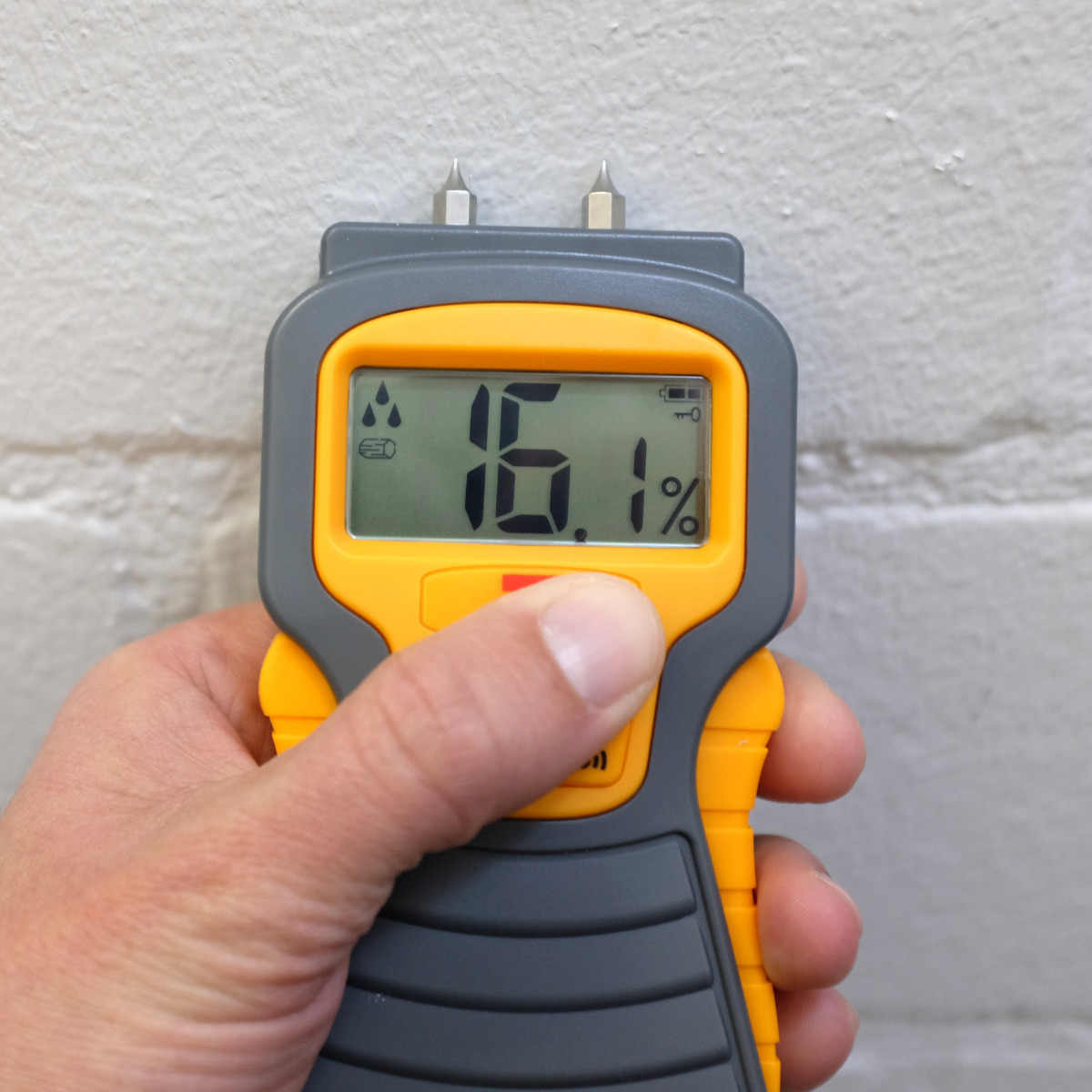
Moisture meters measure dampness levels inside drywall and framing. Thermal imaging cameras detect temperature differences caused by trapped moisture.
In cases involving plumbing systems, acoustic detection tools can help pinpoint leak locations without unnecessary demolition.
The objective is to locate the source of moisture accurately before structural damage worsens.
Palm Bay Mold Removal often performs moisture detection services in coastal communities like Satellite Beach and Merritt Island, where hidden leaks are common due to environmental conditions.
The Role of HVAC Systems in Moisture Issues
Air conditioning systems play a significant role in moisture control. In coastal homes, HVAC units often run heavily to combat humidity.
If drain lines become clogged or condensate pans overflow, water can accumulate inside ceilings or walls.
Ductwork located in attics may also experience condensation issues if insulation is inadequate. Over time, this moisture can contribute to interior leaks and mold growth.
Regular HVAC maintenance and inspection help prevent these problems.
Preventative Steps for Coastal Homeowners
Prevention is far more cost-effective than repair. Coastal property owners should take proactive measures.
Inspect roofing annually and after major storms.
Check attic insulation for dampness.
Re-seal windows and sliding doors when needed.
Ensure proper drainage around the foundation.
Keep gutters clear of debris.
Monitor indoor humidity levels.
Dehumidifiers may be helpful during peak humidity months. Maintaining indoor humidity below 60 percent significantly reduces condensation and moisture buildup.
Slab Foundations and Groundwater Intrusion
Many Satellite Beach homes are built on slab foundations. High groundwater levels near the coast increase the risk of moisture seeping upward through small cracks.
Flooring materials such as laminate and engineered wood are especially vulnerable. If flooring begins to warp without visible surface leaks, slab moisture testing may be necessary.
Improving exterior drainage and sealing foundation cracks can reduce this risk over time.
When to Seek Professional Help
Homeowners should consider professional water leak detection when:
Visible staining continues to expand
Musty odors persist
Humidity remains elevated indoors
Storm damage is suspected
Flooring begins to warp unexpectedly
Early professional inspection provides clarity and prevents small problems from turning into major restoration projects.
In a coastal environment like Satellite Beach, moisture issues rarely resolve on their own. Addressing leaks promptly protects both structural integrity and long-term property value.
Water leak detection is not just a reactive service. It is a preventative strategy that helps coastal homeowners maintain stable, dry living environments year-round.