Warning Signs and Prevention: Water Damage Restoration in Merritt Island After Storm Damage
Severe storms are a regular part of life in Merritt Island. Heavy rainfall, strong winds, and sudden flooding can quickly overwhelm drainage systems and allow water to enter homes. Even when storm damage appears minor, hidden moisture can linger inside walls, flooring, and structural components. Without proper restoration, this moisture often leads to mold growth, weakened materials, and declining indoor air quality.
Building on the guidance discussed in the previous article about flood restoration in Palm Bay during humid summers, this homeowner guide focuses specifically on storm-related water damage in Merritt Island. Understanding early warning signs and prevention strategies can help property owners protect their homes, reduce repair costs, and maintain a healthy living environment.
Understanding Storm-Related Water Damage
Storm damage affects homes in several ways. Rainwater may enter through roof leaks, damaged siding, clogged gutters, or improperly sealed windows and doors. High winds can loosen roofing materials, allowing water to penetrate attic spaces and insulation. Flooding around foundations can also force moisture into crawlspaces and flooring.
Water damage is not always visible immediately. Moisture trapped behind drywall or beneath flooring can take days or weeks to reveal itself, which is why early detection and professional restoration are so important.
In Merritt Island, storm damage often involves both rainwater intrusion and high humidity. Even after standing water is removed, damp air can slow drying and encourage mold growth if dehumidification is not handled properly.
Why Storm Damage Is Common in Merritt Island
Homes in Merritt Island are exposed to a combination of environmental factors that increase the risk of water damage:
- Frequent summer storms and tropical weather systems bring heavy rainfall in short periods.
- High humidity levels slow evaporation and prolong drying times.
- Coastal winds can drive rain into small openings in roofs, vents, and siding.
- Older homes may have aging roofing, flashing, or drainage systems that are more vulnerable.
- Air conditioning systems can contribute to moisture buildup when condensate lines clog or airflow is restricted.
Because these conditions are common, storm-related water damage is something many homeowners encounter at some point.
Common Warning Signs After Storm Damage
Recognizing early warning signs is essential for preventing larger problems. Some of the most common indicators include:
- Water stains appearing on ceilings or walls
- Peeling paint or bubbling drywall
- Musty or damp odors inside rooms or closets
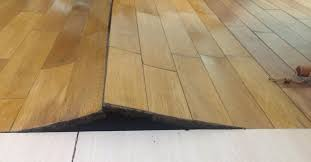
- Warped or buckling flooring
- Damp insulation in attics or crawlspaces
- Condensation forming on vents or ducts
- Sudden increases in indoor humidity
These signs may appear gradually, so homeowners should continue monitoring their property for several weeks after a major storm.
Hidden or Overlooked Sources of Moisture
One of the biggest challenges with storm damage is that moisture often hides in areas that are not immediately visible.
Common hidden problem areas include:
- Behind baseboards and drywall
- Beneath carpets or laminate flooring
- Inside wall cavities and insulation
- Around HVAC ducts and air handlers
- Under kitchen or bathroom cabinetry
- In attic spaces near roof penetrations
Without professional moisture detection, these areas can remain damp long enough for mold to begin growing.
Why DIY Water Damage Cleanup Often Falls Short
Many homeowners attempt to handle water damage themselves using household fans, mops, or shop vacuums. While these methods may remove visible water, they rarely address hidden moisture or humidity trapped in building materials.
DIY cleanup often falls short because:
- Household equipment cannot fully dry structural materials
- Moisture trapped behind walls is difficult to detect
- Mold can begin forming within 24–48 hours in damp conditions
- Improper drying can cause odors and long-term damage
Professional restoration uses specialized drying equipment and monitoring tools to ensure complete moisture removal.
Professional Water Damage Inspection Explained
A professional inspection is the first step in effective restoration. Technicians typically perform:
Visual Assessment
Walls, ceilings, flooring, attics, and crawlspaces are examined for visible signs of water intrusion.
Moisture Detection
Moisture meters and infrared imaging help locate hidden damp areas behind surfaces.
Humidity Testing
Indoor humidity levels are measured to determine drying requirements.
Documentation
Detailed reports help homeowners understand the extent of damage and guide the restoration process.
These steps ensure that all affected areas are identified before restoration begins.
The Water Damage Restoration Process
Once inspection is complete, restoration usually follows a structured process.
Water Extraction
Standing water is removed using pumps and high-capacity vacuums. Rapid extraction reduces the risk of structural damage and mold growth.
Drying and Dehumidification
Industrial air movers and dehumidifiers are placed strategically to remove moisture from materials and air. Drying may take several days depending on conditions.
Cleaning and Sanitizing
Surfaces exposed to stormwater are cleaned and treated with antimicrobial solutions to prevent mold and bacterial growth.
Repairs and Restoration
Damaged drywall, flooring, or insulation may be replaced. Roofing, flashing, or drainage issues that caused the damage are also addressed.
This systematic approach ensures both visible and hidden moisture are eliminated.
HVAC Systems, Air Ducts, and Storm Damage
After storm damage, HVAC systems should always be inspected. Moisture can enter ductwork through roof leaks, high humidity, or water intrusion near vents.
When ducts remain damp, they may circulate musty odors and mold spores throughout the home. Cleaning and drying duct systems helps restore healthy airflow and prevent recurring contamination.
Regular maintenance and inspections are especially important in coastal communities where humidity levels remain high for extended periods.
Prevention Strategies for Homeowners
Preventing water damage is often easier and less expensive than repairing it. Property owners in Merritt Island can reduce risks by taking the following steps:
Maintain Roofing and Gutters
Regular inspections and cleaning ensure rainwater drains properly.
Improve Drainage Around the Foundation
Grading soil and maintaining downspouts helps direct water away from the home.
Seal Windows and Doors
Proper sealing prevents wind-driven rain from entering.
Inspect HVAC Systems Regularly
Keeping condensate lines clear and filters clean reduces moisture problems.
Use Dehumidifiers When Needed
Maintaining indoor humidity below 60% discourages mold growth.
Schedule Post-Storm Inspections
Even if damage is not obvious, inspections help detect hidden moisture early.
These preventive measures significantly reduce the likelihood of major restoration work.
Why Local Experience Matters
Water damage restoration is most effective when handled by professionals familiar with local conditions. Coastal climates, storm patterns, and construction styles all influence how water affects buildings.
Technicians experienced in Brevard County understand:
- How humidity affects drying times
- Common roof and ventilation issues in Florida homes
- Typical moisture problems in attics, crawlspaces, and duct systems
- The importance of rapid response after storms
Local companies such as Palm Bay Mold Removal are familiar with these conditions and provide inspections, moisture detection, and restoration tailored to the region.
Long-Term Benefits of Proper Restoration
Addressing water damage thoroughly offers several long-term advantages:
- Prevents mold growth and indoor air quality problems
- Protects structural components and building materials
- Reduces repair costs over time
- Maintains property value
- Improves comfort and energy efficiency
Professional restoration is an investment in the safety and durability of the home.
A Calm, Practical Approach After Storm Damage
Storm damage can feel overwhelming, but a calm and organized response makes the process manageable.
- Inspect the home for visible water intrusion and document any damage.
- Remove standing water if it is safe to do so.
- Contact professionals for inspection and moisture detection.
- Begin drying and restoration as soon as possible.
- Address the underlying cause, such as roof leaks or drainage issues.
- Implement preventive measures to reduce future risks.
Following these steps helps homeowners recover quickly and avoid recurring problems.
Final Thoughts
Storm damage is an unavoidable reality for many homes in Merritt Island, but serious consequences are not inevitable. Recognizing warning signs, acting quickly, and investing in proper restoration can prevent long-term structural damage and mold growth.
Just as discussed in the previous guide about flood restoration in Palm Bay, early detection and professional drying are the most important factors in protecting a home. With proper maintenance, inspections, and preventive steps, homeowners can keep their properties safe and resilient even during Florida’s storm season.