
Warning Signs and Prevention: Mold Testing in Cocoa Beach in older homes
🏡 Mold in Cocoa Beach: Why It’s So Important to Detect Early
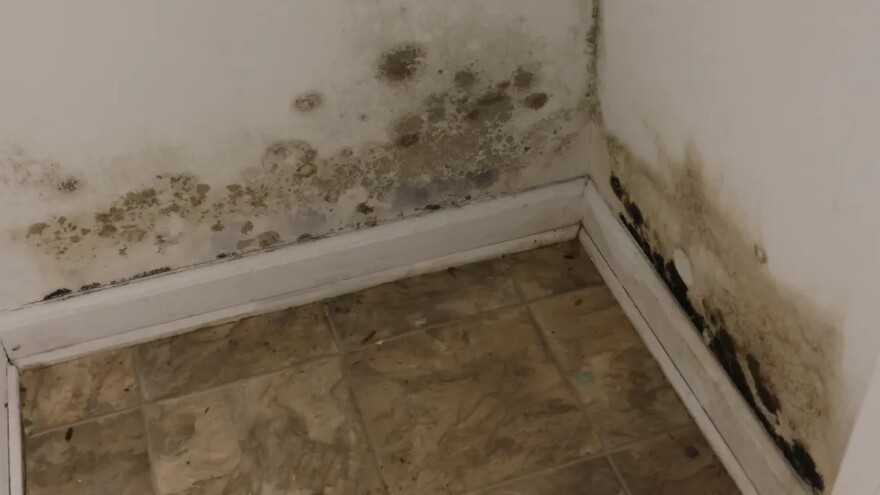
Mold is a type of fungus that naturally exists in the environment, but when it begins to grow inside a home in large quantities, it becomes a problem that can damage property and affect health. In Cocoa Beach — a coastal Florida community with high temperatures and humidity year‑round — indoor mold growth is especially common. Warm, moist conditions combined with aging building materials in older homes make mold detection a priority for homeowners.
According to health and building professionals, mold only needs moisture, warmth, and organic material to thrive — conditions easily met in Florida’s climate. The humidity levels often exceed 60 % for much of the year, making homes in this region conducive to mold growth if moisture isn’t controlled. (Florida Department of Health)
Older homes are even more vulnerable because they often:
- were built without modern moisture barriers,
- have aging roof and wall sealants,
- contain crawl spaces with poor ventilation,
- and may have plumbing systems that are prone to leaks.
All of these create the perfect environment for mold spores to settle, grow, and spread — often behind walls or under flooring where homeowners can’t immediately see them.
🚨 Common Warning Signs of Mold in Older Homes
Identifying mold early is key to stopping it from causing structural damage and health issues. Here are the major warning signs every homeowner should know:
1. Persistent Musty or Earthy Odors
One of the first signs mold may be present is a strong, musty smell — like damp soil or wet wood — that doesn’t go away even after cleaning. This odor often points to hidden mold growth inside walls, under floors, or in HVAC systems where you can’t see it. (Indoor Environmental Group)
2. Visible Growth on Surfaces
Mold can appear in various colors — black, brown, green, yellow, or white — and textures (fuzzy, slimy, or patchy). It frequently appears on:
- walls and ceilings near moisture sources,
- around windowsills,
- in bathrooms or laundry rooms,
- and behind cabinets.
3. Water Damage Stains
If you notice brown or yellow discoloration on walls or ceilings, that’s a strong sign that leaks or condensation have occurred — and the moisture has been present long enough for mold to grow. Over time, water‑damaged areas become prime mold habitat. (Indoor Environmental Group)
4. Peeling or Bubbling Paint or Wallpaper
Moisture buildup behind paint or wallpaper causes it to lose adhesion, resulting in bubbles, peeling, or warped surfaces. This is often a sign of hidden moisture problems — and by extension, possible mold growth. (Indoor Environmental Group)
5. Excessive Condensation
Condensation on windows, pipes, or walls that happens regularly — even on cooler days — means humidity inside the home is high enough to support mold spores. When warm, humid air meets a cooler surface, droplets form, which mold uses as water to grow.
6. Health Symptoms
Mold spores can trigger allergy symptoms and respiratory issues, especially in sensitive individuals. Common effects include:
- coughing, sneezing, or nasal congestion,
- itchy or watery eyes,
- increased asthma symptoms,
- persistent headaches in the home environment. (Indoor Environmental Group)
These symptoms often improve when you leave the home — a clue that indoor air quality may be compromised by mold.
7. Warped Surfaces and Soft Materials
Water‑affected areas can become fragile or soft. Flooring that flexes, drywall that weakens, or wood that feels spongy under pressure often signals moisture and, potentially, mold beneath the surface. (Indoor Environmental Group)
🧪 Should You Test for Mold?
While visible mold is a clear indicator that action is needed, the question of mold testing — especially professional air or surface testing — is more nuanced.
Health authorities like the Florida Department of Health focus on mold prevention and remediation rather than routine testing, because visible mold growth and signs of moisture are often enough to justify removal and repair. (Florida Department of Health)
However, mold testing may be valuable when:
- you suspect mold but can’t find any visual signs,
- multiple family members have persistent symptoms only experienced at home,
- the home was recently flooded,
- or you’re buying/selling an older property and want documentation.
Professional testing assesses indoor air quality and identifies what kinds of spores are present and at what levels. It can be more precise than DIY kits and helps professionals target hidden areas where mold might be growing.
🛡️ How to Prevent Mold in Older Homes in Cocoa Beach
Because mold thrives on moisture, controlling water and humidity is the most effective prevention strategy.
✔️ Control Indoor Humidity
Aim for indoor humidity below 50 %. Use air conditioning, dehumidifiers, and exhaust fans in bathrooms and kitchens to reduce moisture. Make sure HVAC systems are well‑maintained and drain pans are clear. (Florida Department of Health)
✔️ Fix Water Leaks Promptly
Whether it’s a leaky pipe, roof, window seal, or appliance, addressing water leaks immediately prevents moisture buildup that leads to mold. Even small drips can create conditions mold loves within 24–48 hours. (Indoor Environmental Group)
✔️ Improve Home Ventilation
Older homes often have limited airflow because of sealed walls and poor insulation practices. Opening windows (when weather allows), adding exhaust fans, and installing vents in attics or crawl spaces helps ensure stale, moist air doesn’t linger. (Florida Department of Health)
✔️ Use Mold‑Resistant Materials
When renovating older sections of your home, choose materials that resist moisture and mold growth — like mold‑resistant drywall, paints, and insulation. These materials help reduce the likelihood of mold taking hold after minor leaks or humidity fluctuations.
✔️ Monitor Moisture After Storms
Cocoa Beach experiences regular heavy rains and storms. After any flooding or heavy weather, inspect your home for signs of moisture or leaks inside walls, under floors, or near foundations within 24–48 hours. Mold can begin to grow quickly after water intrusion. (Indoor Environmental Group)
✔️ Take Care of Outdoor Drainage
Ensure gutters and downspouts direct water well away from your foundation. Poor drainage increases soil moisture around your home exterior, which can lead to seepage and hidden mold issues.
🧹 What to Do When You Find Mold
If mold is visible or suspected:
🧰 1. Stop the Moisture Source
Before you clean or remove mold, fix leaks and correct humidity issues. Otherwise, the mold will return even after cleaning.
🧼 2. Clean Small Areas If Safe
Small patches of mold (under 10 square feet) may be cleaned with water and detergent using gloves and eye protection. Avoid strong chemicals like bleach unless recommended for the surface type — and never mix cleaners. (Florida Department of Health)
🧑🔧 3. Call a Professional for Extensive Growth
For large areas, hidden mold inside walls, or repeated mold problems, a professional inspection and remediation is the safest option. These experts use moisture meters, infrared imaging, and controlled containment to find and remove hidden mold without spreading spores to other areas.
🌬️ Final Thoughts
Mold in older homes in Cocoa Beach isn’t just a cosmetic issue — it’s a meaningful health and structural concern in a humid coastal climate. Recognizing the warning signs early — from musty odors and water stains to physical symptoms — can save homeowners thousands in repair costs and protect the health of family members.
Controlling moisture, maintaining proper ventilation, fixing leaks right away, and using mold‑resistant materials during renovations are all key strategies in preventing mold growth.
When in doubt, consider professional inspection — especially for older homes with complex or hidden moisture issues. Understanding and addressing mold early helps ensure your home remains safe, dry, and comfortable for years to come.