Warning Signs and Prevention: Indoor Air Quality Improvement in Viera During Rainy Season
Florida’s rainy season brings lush greenery and cooler afternoons, but it also presents unique challenges for homeowners, particularly in Viera. High humidity, heavy rainfall, and warm temperatures create ideal conditions for moisture buildup, mold growth, and poor indoor air quality. These issues can affect both comfort and long-term property health, making proactive air quality management critical.
Homeowners who understand the warning signs of poor indoor air quality and take preventive measures can protect their families, maintain their homes, and avoid costly remediation. This guide provides a comprehensive overview of indoor air quality challenges during Viera’s rainy season and practical strategies for improvement.
Understanding Indoor Air Quality and Its Importance
Indoor air quality (IAQ) refers to the cleanliness and safety of the air inside a home. In coastal Florida, air quality can be compromised by high humidity, mold spores, dust, and pollutants introduced by water intrusion or poor ventilation.
During the rainy season, typical IAQ challenges include:
- Moisture accumulation in walls, ceilings, and flooring
- Mold and mildew growth in hidden areas
- Dust and allergens circulated by HVAC systems
- Condensation in attics and crawl spaces
- Stale or musty odors caused by dampness
Maintaining healthy IAQ is essential for comfort, property preservation, and reducing potential health risks associated with prolonged exposure to mold or allergens.
Why Viera Homes Are Susceptible During the Rainy Season
Viera experiences seasonal rainfall that can exceed two inches per day during storm events. Combined with Florida’s naturally high humidity, this creates an environment where moisture can infiltrate homes, particularly if they are older or have minor construction vulnerabilities.
Common risk factors include:
- Roof leaks during heavy storms
- Plumbing leaks or pipe condensation
- Inefficient or improperly maintained HVAC systems
- Poor attic or crawl space ventilation
- Window or door gaps allowing water intrusion
Nearby communities, including Palm Bay, Melbourne, and Satellite Beach, encounter similar challenges. For homeowners, monitoring and improving IAQ during this season is critical to prevent mold and moisture damage.
Warning Signs of Poor Indoor Air Quality
Identifying early warning signs allows homeowners to act before damage becomes extensive. Common indicators include:
- Musty odors: Often the first sign of hidden moisture or mold
- Visible mold or mildew: Dark spots on walls, ceilings, or floors
- Condensation: Water collecting on windows, pipes, or HVAC components
- Increased dust or allergens: Particles circulating from ducts or carpets
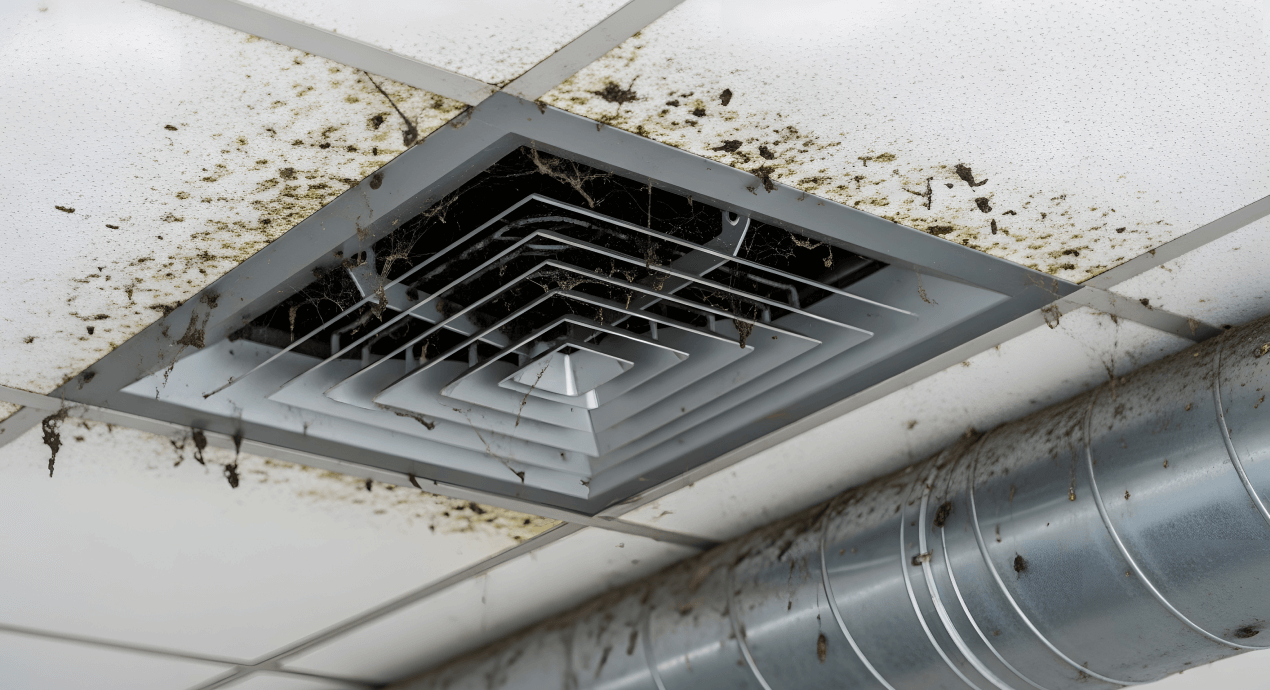
- Unusual odors from HVAC systems: A sign that air ducts may harbor mold or moisture
- Health complaints: Tenants or family members experiencing irritation in eyes, nose, or throat
Even minor signs should prompt a more thorough inspection, as hidden moisture can develop into significant mold infestations if left unchecked.
Hidden Sources of Indoor Air Quality Problems
Many IAQ problems arise from sources that are not immediately visible:
- Air conditioning and ductwork: Condensation in ducts can harbor mold spores, which are then circulated throughout the home
- Attics and crawl spaces: Poor ventilation and roof leaks lead to damp insulation and mold growth
- Bathrooms and kitchens: Plumbing leaks, shower moisture, and poor exhaust ventilation contribute to humidity
- Basements and utility areas: Water intrusion or condensation around appliances and water heaters creates hidden dampness
In coastal areas like Merritt Island and Titusville, rapid water accumulation from storms can exacerbate these hidden risks.
How Mold and Moisture Affect Indoor Air Quality
Mold and moisture directly compromise indoor air quality. When mold grows, it releases spores into the air, which can be inhaled by occupants. This can lead to:
- Musty odors
- Irritation of the respiratory tract
- Allergic reactions in sensitive individuals
- Acceleration of material degradation in walls, flooring, and HVAC systems
Even after visible mold is removed, spores can persist in HVAC systems or behind walls if moisture sources are not addressed, making proactive prevention essential.
Methods for Detecting Moisture and Mold
Early detection is key to preventing IAQ issues from worsening. Homeowners and professionals use several methods:
- Visual inspections: Check ceilings, walls, and flooring for stains, warping, or discoloration
- Moisture meters: Measure water content in building materials
- Infrared thermography: Detect cold spots indicating hidden moisture
- Air sampling: Identify elevated mold spores or allergens
- Duct inspections: Ensure HVAC systems are free of moisture and contamination
Routine checks, especially during and after heavy rains, allow homeowners to address problems before mold spreads.
Preventive Measures to Improve Indoor Air Quality
Maintaining IAQ involves controlling both moisture and potential contaminants. Practical steps include:
- Regular HVAC maintenance: Clean coils, condensate pans, and ducts to prevent mold growth
- Dehumidification: Use dehumidifiers in high-humidity areas, particularly attics and basements
- Proper ventilation: Install or maintain exhaust fans in bathrooms, kitchens, and laundry areas
- Roof and plumbing inspections: Repair leaks promptly to prevent moisture accumulation
- Air filtration: Use HEPA filters to trap dust, spores, and allergens in HVAC systems
- Routine cleaning: Keep carpets, upholstery, and flooring dry and free of moisture
By implementing these measures, homeowners reduce the risk of mold growth and improve overall air quality for occupants.
DIY vs Professional IAQ Management
Homeowners can take several proactive steps to monitor IAQ, such as inspecting visible areas, using moisture meters, and maintaining HVAC systems. However, professional services offer a more comprehensive approach:
- Advanced moisture detection: Professionals use infrared cameras, hygrometers, and thermal imaging to detect hidden water
- Duct and AC inspections: Ensure no hidden mold or damp areas exist in air systems
- Expert remediation guidance: Identify sources of moisture and recommend solutions tailored to the home
- Long-term prevention: Implement strategies to maintain optimal IAQ throughout the rainy season
Professional involvement is particularly beneficial for homes in high-humidity areas or properties showing early signs of mold or water intrusion.
The Role of Local Expertise
Homes in Viera have unique construction styles, climate exposure, and environmental factors. Local professionals understand:
- Seasonal rainfall patterns and storm-related risks
- Common moisture-prone areas in Florida homes
- Best practices for AC, ductwork, and attic moisture management
- How humidity interacts with building materials to affect IAQ
Companies like Palm Bay Mold Removal have extensive experience improving indoor air quality in homes across Palm Bay, Rockledge, Satellite Beach, Merritt Island, and surrounding communities. Local expertise ensures targeted inspections and effective preventive solutions.
Calm, Practical Steps for Homeowners
Improving indoor air quality during Viera’s rainy season requires a proactive, systematic approach:
- Conduct regular inspections of visible moisture-prone areas
- Monitor indoor humidity and use dehumidifiers where needed
- Maintain HVAC systems, including cleaning coils and ducts
- Repair leaks in roofs, plumbing, and windows immediately
- Encourage tenants or family members to report musty odors promptly
- Schedule professional inspections if hidden moisture or mold is suspected
By combining vigilance, technology, and local expertise, homeowners can maintain clean, healthy air inside their homes, even during Florida’s wettest months.
Consistent maintenance and preventive measures make a tangible difference, ensuring properties remain safe, comfortable, and free from moisture-related IAQ issues throughout the year.