
Warning Signs and Prevention: Indoor Air Quality Improvement in Melbourne after roof leaks
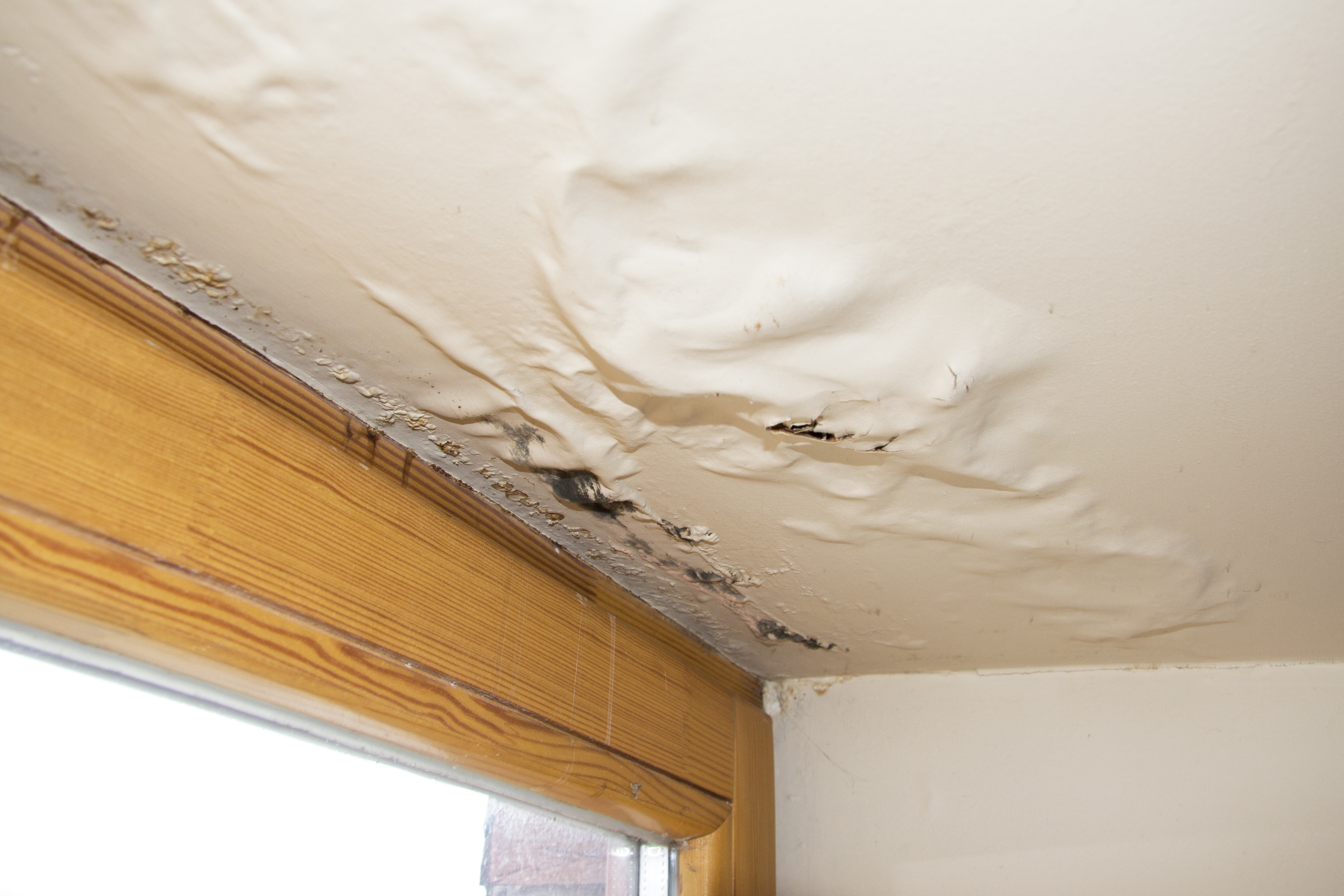
Homes in Titusville, Florida, are no strangers to the effects of heavy rainfall, tropical storms, and aging roofing systems. Roof leaks are a common problem that can lead to water intrusion, structural damage, and long-term issues like mold growth. Immediate action in the form of emergency water removal is critical to minimize damage, protect property, and maintain indoor air quality.
This guide explores the importance of emergency water removal, the step-by-step process, real-life cases, and professional insights for homeowners in Titusville. Understanding these elements ensures faster recovery after roof leaks and helps prevent costly, long-term damage.
Why Roof Leaks Are a Serious Concern
Roof leaks can occur for many reasons, including:
- Storm Damage – High winds, hail, and heavy rains can compromise shingles, flashing, and gutters.
- Aging Roofing Materials – Older roofs are prone to cracks, loose shingles, and weakened seals.
- Poor Roof Maintenance – Clogged gutters, debris, and untreated minor damage can worsen over time.
- Structural Shifts – Settling or shifting foundations may create gaps or cracks in roofing components.
Even minor leaks can allow water to penetrate the home, leading to:
- Ceiling and Wall Damage – Stains, sagging drywall, or peeling paint indicate water infiltration.
- Structural Compromise – Prolonged exposure weakens wooden beams, subfloors, and insulation.
- Mold and Mildew Growth – Standing water or damp conditions create ideal environments for mold, which can affect health and indoor air quality.
- Damage to Personal Belongings – Furniture, electronics, and valuables may be destroyed by water.
Prompt emergency water removal is essential to prevent these consequences.
The Importance of Emergency Water Removal
Emergency water removal is a professional response to water intrusion that minimizes the time water is in contact with building materials. Its benefits include:
1. Preventing Structural Damage
Water can quickly weaken wood, drywall, and insulation. Emergency removal reduces saturation, limiting structural compromise and reducing repair costs.
2. Reducing Mold Growth
Mold can begin growing within 24–48 hours after water exposure. Rapid water extraction, combined with drying, prevents mold from taking hold and spreading.
3. Protecting Health
Standing water and damp conditions promote mold spores, bacteria, and allergens, which can cause respiratory issues, allergic reactions, and other health problems.
4. Minimizing Property Loss
Furniture, electronics, flooring, and personal items can be damaged or destroyed if water is allowed to sit. Quick removal preserves belongings and reduces replacement costs.
5. Insurance Documentation
Emergency water removal by professionals ensures proper documentation for insurance claims, which can be critical in reimbursing homeowners for repairs and restoration.
Common Causes of Roof-Leak Water Damage in Titusville
- Hurricane and Storm Surges – Florida’s coastal location exposes homes to intense storms, heavy rainfall, and wind-driven leaks.
- Clogged Gutters – Overflowing or blocked gutters redirect water onto roofs or walls, causing leaks.
- Flashing Damage – Metal flashing around chimneys, skylights, and vents can corrode or loosen, creating entry points for water.
- Cracked or Missing Shingles – Damaged shingles allow water to penetrate the roof deck.
- Condensation from Poor Ventilation – Inadequate attic ventilation traps moisture, contributing to leaks and hidden water damage.
Early Warning Signs of Roof Leaks
Homeowners should be aware of these signs to take immediate action:
- Water stains on ceilings or walls
- Peeling paint or wallpaper
- Sagging ceilings or walls
- Dripping water during rainfall
- Damp or musty odors in attics or upper floors
- Mold growth along walls or ceilings
- Missing, cracked, or curling shingles
Recognizing these signs early allows homeowners to call for emergency water removal before extensive damage occurs.
Emergency Water Removal Process
Professional water removal is a systematic process designed to mitigate damage and restore the home quickly.
Step 1: Initial Assessment
- Inspect the affected areas to determine the extent of water intrusion.
- Identify sources of the leak and any immediate hazards, such as electrical risks.
Step 2: Water Extraction
- Use high-powered pumps and vacuums to remove standing water from floors, carpets, and subfloors.
- Extract water from hidden areas like under cabinets, behind walls, and in crawl spaces.
Step 3: Structural Drying
- Deploy industrial fans, dehumidifiers, and air movers to remove residual moisture from walls, floors, and ceilings.
- Moisture meters and thermal imaging ensure that hidden damp areas are addressed.
Step 4: Cleaning and Disinfection
- Clean affected surfaces with professional-grade solutions to remove contaminants, bacteria, and mold spores.
- Treat surfaces with antimicrobial agents to prevent mold growth.
Step 5: Damage Assessment and Repairs
- Inspect structural elements, insulation, and flooring for damage.
- Replace or repair materials as needed to restore the home to pre-damage condition.
Step 6: Post-Removal Verification
- Perform moisture testing to confirm all areas are dry.
- Inspect for mold spores and ensure proper indoor air quality is restored.
Real Cases of Roof-Leak Water Damage in Titusville
Case 1: Attic Water Intrusion
- Scenario: A heavy summer storm caused water to seep through damaged flashing in the attic.
- Findings: Water pooled on insulation and wooden beams, creating potential mold risk.
- Solution: Emergency water extraction, drying, and repair of roof flashing.
- Outcome: Mold prevented, structural integrity preserved, and indoor air quality maintained.
Case 2: Ceiling Collapse from Prolonged Leak
- Scenario: Homeowner ignored minor stains, which eventually caused ceiling sagging and water pooling.
- Findings: Water had saturated drywall and insulation above the ceiling.
- Solution: Emergency water removal, removal of damaged drywall, and replacement of insulation.
- Outcome: Ceiling restored, further damage prevented, and emergency repairs minimized overall costs.
Case 3: Mold Prevention in Bedroom Areas
- Scenario: Water entered through missing shingles and soaked the bedroom floor and carpet.
- Findings: High humidity and moisture threatened carpet and subflooring.
- Solution: Rapid water extraction, drying, and antimicrobial treatment of subfloor and carpet padding.
- Outcome: Mold growth prevented, carpet saved, and health risks mitigated.
Preventive Measures to Reduce Roof-Leak Water Damage
1. Regular Roof Inspections
- Inspect shingles, flashing, and gutters at least twice a year, especially before storm season.
2. Maintain Gutters and Downspouts
- Keep gutters clear of debris to prevent overflow and water redirection onto the roof or walls.
3. Seal Flashing and Roof Penetrations
- Inspect and repair flashing around chimneys, vents, and skylights to prevent leaks.
4. Improve Attic Ventilation
- Ensure proper airflow in attics to reduce condensation and moisture accumulation.
5. Upgrade Roofing Materials
- Consider high-quality, impact-resistant shingles and waterproof underlayment for added protection against Florida storms.
6. Emergency Preparedness
- Have a professional water removal and restoration service on call for immediate response after a leak.
Common Mistakes Homeowners Make
- Ignoring minor leaks until visible damage occurs
- Attempting DIY water removal without professional equipment
- Failing to dry affected areas completely, allowing mold to grow
- Delaying repairs to roof or attic ventilation systems
- Not documenting damage properly for insurance claims
Professional Insights
- Time Is Critical: Emergency water removal within the first 24–48 hours significantly reduces damage and mold risk.
- Hidden Water is Dangerous: Water can penetrate walls, ceilings, and insulation, requiring professional assessment and drying.
- Comprehensive Approach Works Best: Combining extraction, drying, cleaning, and structural repairs ensures long-term protection.
- Documentation Matters: Professional services provide detailed reports for insurance claims and future property management.
Conclusion
Roof leaks in Titusville homes are a serious concern due to Florida’s tropical storms, high rainfall, and humidity. Even small leaks can lead to water intrusion, structural damage, mold growth, and health risks if not addressed immediately.
Emergency water removal is a critical first step in mitigating damage, protecting property, and preserving indoor air quality. Coupled with professional inspection, structural repairs, and preventive measures, homeowners can minimize the impact of roof leaks and maintain safe, comfortable living environments.
By recognizing the warning signs, taking prompt action, and engaging professional services, Titusville homeowners can reduce repair costs, prevent mold, and ensure long-term protection of their homes and investments.