
Warning Signs and Prevention: Black Mold Removal in Merritt Island After Hurricanes
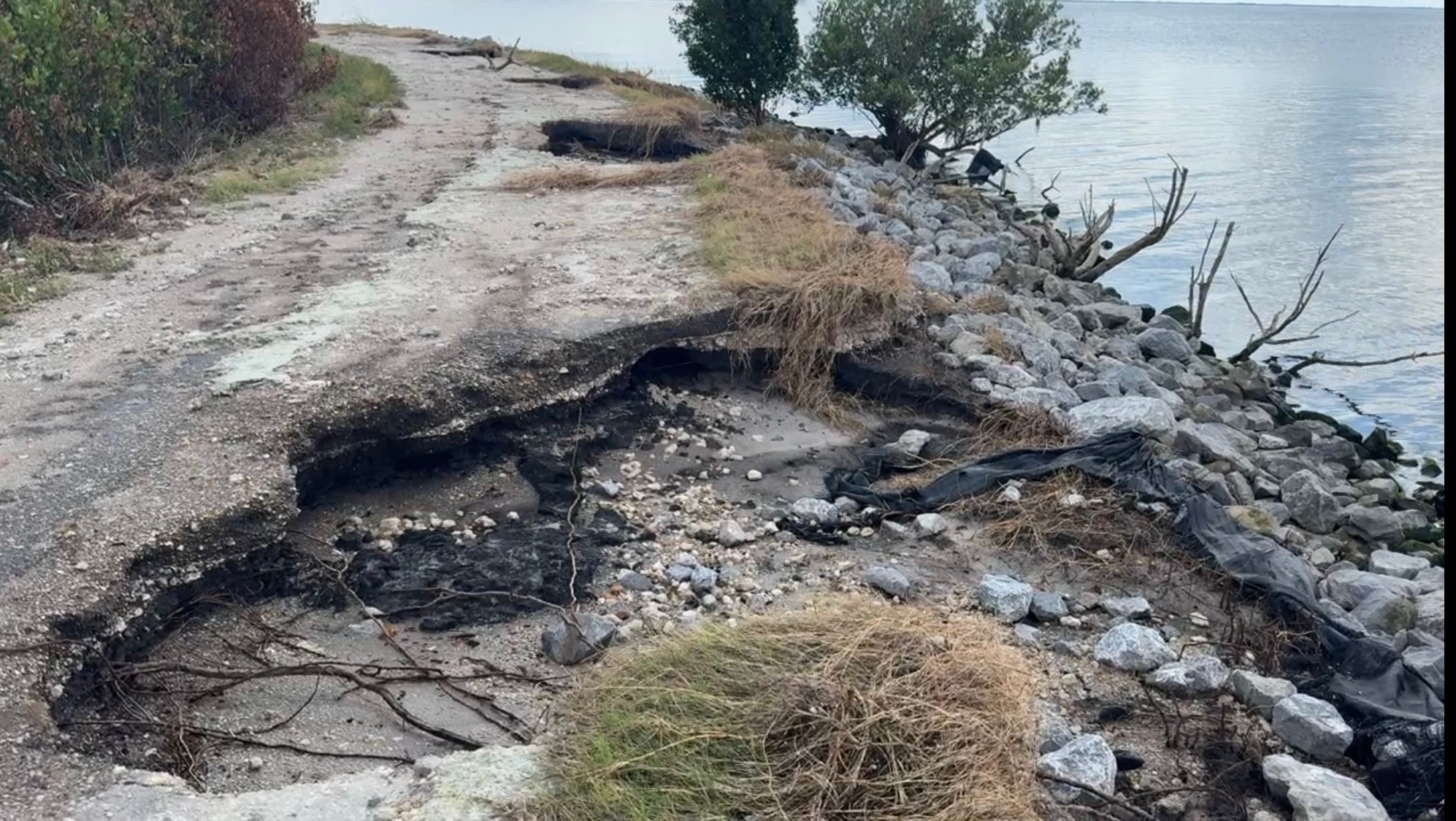
Hurricanes and severe storms are a reality for homeowners in Merritt Island. While these storms bring immediate wind and water damage, they also create conditions for a more insidious problem: black mold growth. Standing water, high humidity, and residual moisture after a hurricane can allow mold to colonize walls, floors, and hidden spaces, compromising both property and indoor air quality. Older homes, poorly ventilated spaces, and areas with prior water damage are especially vulnerable.
Understanding the warning signs, causes, and prevention strategies for black mold is essential for Merritt Island homeowners, landlords, and property managers. This guide explains how to identify black mold, why hurricanes make it a recurring problem, the professional removal process, and preventive measures to protect your home and family.
What Black Mold Is
Black mold, scientifically known as Stachybotrys chartarum, is a common mold species that thrives in damp, humid conditions. Unlike other surface molds, black mold often grows in hidden areas such as behind drywall, under carpets, in attics, or inside ductwork.
After hurricane-related flooding, moisture can penetrate subflooring, wall cavities, crawl spaces, and attics, creating the ideal environment for mold colonization. Left unchecked, mold growth can compromise structural materials, produce musty odors, and contribute to indoor air quality problems.
Why Black Mold Becomes a Problem After Hurricanes
Hurricanes contribute to black mold growth through a combination of water intrusion and high humidity:
- Flooding and Standing Water: Hurricanes often cause localized flooding inside homes, saturating floors, walls, and furniture.
- High Humidity: Merritt Island’s climate allows moisture to persist long after storms, keeping affected areas damp.
- Roof and Window Leaks: Storm damage can allow water entry through damaged shingles, flashing, or seals.
- Poor Ventilation: Older homes and enclosed spaces can trap humidity, accelerating mold growth.
Even small leaks or residual dampness can trigger mold colonization within 24–48 hours after a storm.
Early Warning Signs Homeowners Should Watch For
Detecting black mold early is critical to prevent extensive damage. Common signs include:
- Visible Mold Growth: Dark green or black patches on walls, ceilings, baseboards, or crawl spaces.
- Musty Odors: Persistent, damp, or earthy smells, especially in poorly ventilated areas.
- Water Stains or Discoloration: Yellow or brown patches on ceilings and walls indicating prior water intrusion.
- Peeling Paint or Bubbling Wallpaper: Moisture underneath paint or wallpaper can promote mold.
- Warped or Soft Materials: Wood, drywall, or flooring that feels spongy or deteriorates.
- Duct and HVAC Issues: Mold growing inside air ducts or around AC units due to condensation.
Being vigilant after hurricanes allows homeowners to address mold before it spreads extensively.
Hidden or Overlooked Sources of Black Mold
Mold often develops in areas not immediately visible:
- Crawl Spaces and Basements: Dark, damp spaces are ideal for mold colonization.
- Behind Walls: Water intrusion into wall cavities may create hidden mold.
- Attics and Roof Voids: Leaks from damaged roofing or poor insulation allow mold to thrive.
- HVAC Systems and Air Ducts: Condensation in ducts can distribute mold spores throughout the home.
- Subflooring and Carpets: Water under floors or behind baseboards may go unnoticed, supporting hidden growth.
Professional inspections using moisture meters, thermal imaging, and air quality testing are essential to locate these concealed problems.
Why DIY Black Mold Removal Often Fails
Homeowners sometimes attempt to remove mold using household cleaners or bleach. While this may remove surface growth, DIY methods usually fail to:
- Eliminate mold in hidden areas like wall cavities or subflooring
- Prevent regrowth by addressing moisture sources
- Properly clean HVAC ducts and ventilation systems
- Restore indoor air quality
Improper removal can cause mold spores to spread, exacerbating contamination and long-term health risks.
Professional Black Mold Removal Process
Black mold remediation in Merritt Island involves a structured, multi-step process:
Step 1: Inspection and Testing
- Professionals conduct visual inspections and identify high-risk areas.
- Air sampling and surface testing determine the type and concentration of mold.
- Moisture readings reveal hidden water penetration in structural materials.
Step 2: Containment
- Affected areas are isolated using plastic sheeting and negative air pressure to prevent spore spread.
- HVAC systems may be temporarily shut down to contain contamination.
Step 3: Water and Moisture Removal
- Standing water is extracted from floors, carpets, and subflooring.
- Industrial dehumidifiers and air movers dry the home thoroughly.
Step 4: Cleaning and Mold Removal
- Antimicrobial treatments clean walls, floors, ductwork, and affected materials.
- Porous materials such as drywall, insulation, or carpeting may be removed if heavily contaminated.
Step 5: Restoration
- Removed materials are replaced, and affected areas are repaired.
- HVAC systems, ductwork, and ventilation are sanitized and restored to safe operation.
Preventing Future Black Mold Growth
Preventive measures are crucial in hurricane-prone areas like Merritt Island:
- Prompt Water Removal: Extract water within 24–48 hours after flooding.
- Maintain Roof and Gutters: Inspect and repair shingles, flashing, and drainage systems before storm season.
- HVAC Maintenance: Regularly clean ducts, check condensation lines, and ensure proper ventilation.
- Install Moisture Barriers: Use vapor barriers in crawl spaces and under flooring.
- Monitor Humidity Levels: Use dehumidifiers in attics, basements, and enclosed spaces.
- Routine Inspections: Check attics, crawl spaces, and basements for early signs of water intrusion or mold.
Preventive steps minimize mold risks and reduce future restoration costs.
Costs of Black Mold Removal
Costs vary depending on the severity of contamination, affected areas, and type of remediation required:
- Small, localized areas may be addressed with surface cleaning and minor repairs.
- Extensive contamination in walls, subflooring, or HVAC systems may require removal and replacement of materials.
- Testing, inspections, and specialized equipment add to the cost but ensure thorough remediation.
Professional assessment provides an accurate estimate, helping homeowners prioritize critical areas and maintain home safety.
Why Local Expertise Matters
Merritt Island homeowners face unique conditions:
- High humidity levels that encourage mold growth
- Frequent hurricanes and storm-related flooding
- Older homes with aged roofing, plumbing, and HVAC systems
Local mold remediation professionals understand these challenges and provide tailored solutions to remove black mold, restore indoor air quality, and prevent recurrence.