Viera Water Leak Detection After Hurricanes: A Local Homeowner Guide
Hurricanes in Viera, Florida, pose serious risks to residential properties, with water leaks and hidden moisture being among the most common post-storm issues. Even minor leaks can escalate into structural damage, mold growth, and costly repairs if not identified promptly. For homeowners, understanding water leak detection after hurricanes is essential for protecting property, maintaining indoor air quality, and preventing long-term damage.
This guide offers a comprehensive overview of early signs of water leaks, detection methods, repair strategies, and preventive tips for Viera homeowners.
Why Water Leak Detection Is Crucial After Hurricanes
- Prevents Mold and Mildew
- Moisture trapped in walls, ceilings, and floors can foster mold growth within 24–48 hours, posing health risks.
- Protects Structural Integrity
- Undetected leaks can weaken wood, drywall, insulation, and foundations, leading to costly repairs.
- Maintains Indoor Air Quality
- Damp areas and microbial growth can release allergens and harmful spores into living spaces.
- Reduces Financial Risk
- Early detection prevents major damage, saving money on extensive repairs and replacements.
- Supports Insurance Claims
- Documented inspections after hurricanes provide evidence for claims related to water damage.
Common Causes of Water Leaks After Hurricanes
- Roof Damage
- Shingles, flashing, or gutters damaged during storms allow rainwater to seep into homes.
- Window and Door Leaks
- High winds and heavy rain can compromise seals, letting water infiltrate walls.
- Plumbing Issues
- Water lines, valves, or appliances may break or malfunction during storm events.
- Flooding
- Storm surge or heavy rainfall can cause water to enter basements, garages, and lower floors.
- HVAC and Condensation
- Air conditioning units may experience excess condensation due to high humidity or storm damage.
Early Warning Signs of Water Leaks in Homes
- Ceiling or Wall Stains
- Yellow, brown, or dark marks indicate water intrusion.
- Musty Odors
- Persistent earthy or mildew smells suggest trapped moisture.
- Warped Floors or Baseboards
- Wood flooring, laminate, or subflooring may swell or buckle.
- Soft or Spongy Surfaces
- Walking on uneven or soft areas can indicate underlying water damage.
- Increased Humidity
- Rooms feel damp, even after the storm has passed.
- Visible Mold or Mildew
- Spots on walls, ceilings, or inside cabinets may indicate hidden leaks.
Step‑by-Step Water Leak Detection Process
Step 1: Visual Inspection
- Check ceilings, walls, floors, windows, doors, and attics for visible signs of water or damage.
Step 2: Moisture Meter Testing
- Measure moisture content in drywall, wood, and flooring to detect hidden leaks.
Step 3: Infrared Thermography
- Use infrared cameras to identify temperature differences caused by moisture inside walls and ceilings.
Step 4: Acoustic Leak Detection
- Specialized devices listen for flowing water inside pipes, helping locate hidden leaks.
Step 5: Pressure Testing
- Identify plumbing issues by monitoring water pressure drops that indicate leaks.
Step 6: Documentation
- Record findings, moisture levels, and potential leak locations to plan repairs and support insurance claims.
Repair and Remediation Steps
- Immediate Water Removal
- Extract standing water using pumps or wet/dry vacuums.
- Drying and Dehumidification
- Use fans and dehumidifiers to dry affected areas thoroughly.
- Structural Repairs
- Replace or repair damaged drywall, insulation, wood framing, and flooring.
- Mold Prevention
- Apply antimicrobial treatments to prevent mold growth in damp areas.
- Plumbing Repairs
- Fix broken pipes, valves, or appliances identified during detection.
- Preventive Sealing
- Seal cracks, window edges, and roofing areas to prevent future leaks.
Preventive Tips for Homeowners
- Routine Roof and Gutter Maintenance
- Inspect and repair shingles, flashing, and gutters regularly to prevent storm-related leaks.
- Install Water Sensors
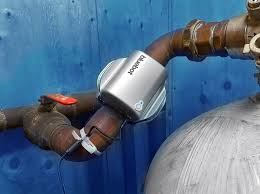
- Place leak detectors near appliances, plumbing, and high-risk areas to catch early water intrusion.
- Monitor HVAC and Condensate Lines
- Keep AC systems clean and check for excess condensation.
- Seal Windows, Doors, and Foundation Cracks
- Prevent water from entering during heavy rains or hurricanes.
- Regular Plumbing Inspections
- Check pipes, faucets, and appliances for leaks or weaknesses annually.
- Document and Respond Promptly
- Address visible water damage immediately to minimize long-term impact.
Benefits of Timely Water Leak Detection
- Health and Safety
- Reduces exposure to mold, bacteria, and allergens.
- Preserves Home Structure
- Minimizes damage to walls, ceilings, flooring, and insulation.
- Financial Savings
- Avoids costly repairs and replacement of structural elements.
- Peace of Mind
- Homeowners can trust their property is safe and properly maintained.
- Supports Insurance Claims
- Professional inspection records strengthen documentation for hurricane-related claims.
Conclusion
After hurricanes in Viera, water leaks are a significant risk to both property and health. Early detection of moisture through visual inspections, moisture meters, infrared thermography, and acoustic testing is critical to prevent mold growth and structural deterioration.
Professional detection and prompt repair—including water extraction, drying, structural fixes, and plumbing repair—help restore the home efficiently. Combined with preventive strategies such as routine inspections, sealing vulnerable areas, and installing sensors, homeowners can protect their property and maintain a safe, healthy, and resilient home in hurricane-prone areas.