
Viera Water Damage Restoration in Rental Properties: What Homeowners Should Know
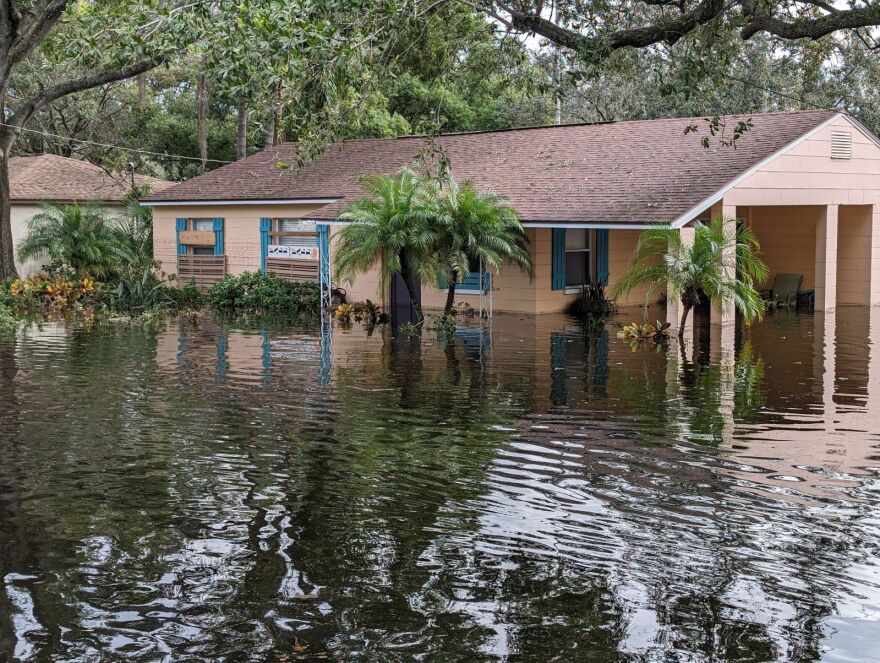
Rental properties in Viera face unique challenges when it comes to water damage. Tenants may not immediately report leaks, flooding, or AC condensation issues, which allows water to accumulate behind walls, under floors, or in crawl spaces. Left unaddressed, water damage can lead to mold growth, structural problems, and costly repairs.
Professional water damage restoration is critical for property owners to minimize damage, protect the health of tenants, and maintain property value. This guide outlines the causes of water damage in Viera rental properties, early warning signs, restoration processes, costs, and preventive strategies.
Why Rental Properties Are Vulnerable to Water Damage
Viera’s coastal climate, combined with the characteristics of rental properties, makes them especially susceptible:
- High Humidity – Florida’s year-round humidity accelerates water absorption and mold growth.
- Storms and Heavy Rainfall – Seasonal tropical storms and hurricanes often result in roof leaks, flooding, and water intrusion.
- Aging Infrastructure – Older rental units may have outdated plumbing, roofing, or drainage systems.
- Tenant Oversight – Leaks or minor water incidents may go unnoticed if tenants are not diligent about reporting.
- High Usage of Plumbing and Appliances – Frequent use of washing machines, dishwashers, and AC systems increases the risk of leaks.
Even minor water incidents can escalate into serious damage if not addressed quickly, impacting property safety and habitability.
Common Causes of Water Damage in Viera Rental Homes
- Plumbing Leaks – Dripping pipes, faulty fixtures, and water heater failures often affect walls, floors, and ceilings.
- AC Condensation and Malfunction – Air conditioning systems produce moisture that can leak if drains are blocked or components fail.
- Roof or Window Leaks – Storms can compromise roofing materials or seals around windows, allowing water inside.
- Appliance Overflows – Washing machines, dishwashers, and refrigerators can malfunction, releasing water.
- Storm or Flood Events – Heavy rains, hurricanes, or localized flooding can inundate basements, garages, or low-lying units.
Identifying the source of water is crucial to implementing effective restoration and preventing repeated issues.
Early Signs Homeowners Should Watch For
Timely detection is critical to minimizing structural damage, mold growth, and tenant disruption. Common warning signs include:
- Water Stains or Discoloration – Brown, yellow, or dark patches on ceilings, walls, or floors.
- Warped or Bubbling Materials – Wood flooring, laminate, or drywall may swell, warp, or separate due to moisture.
- Musty Odors – Lingering damp smells often indicate hidden water or mold.
- Visible Mold Growth – Black, green, or gray spots in corners, under sinks, or behind appliances.
- Condensation – Persistent moisture on windows, pipes, or AC units.
- Sagging Ceilings or Walls – Structural compromise from accumulated water.
- Tenant Complaints – Reports of dripping water, dampness, or unusual odors.
Early recognition allows for prompt intervention, reducing repair costs and mitigating tenant inconvenience.
Professional Water Damage Restoration Process
Professional restoration involves a structured, step-by-step approach to assess, remove, and repair water-damaged areas.
Step 1: Inspection and Assessment
- Inspect affected areas, including walls, ceilings, flooring, attics, and crawl spaces.
- Use moisture meters, thermal imaging, and hygrometers to detect hidden water.
- Identify the source of the leak and assess the extent of damage.
Step 2: Water Extraction
- Remove standing water using industrial pumps and vacuums.
- Remove carpets, padding, and affected furniture to access underlying surfaces.
- Rapid extraction reduces the risk of mold growth and structural damage.
Step 3: Drying and Dehumidification
- Deploy industrial fans, dehumidifiers, and air movers to thoroughly dry all affected areas.
- Monitor moisture levels until building materials are fully dry to prevent mold regrowth.
Step 4: Cleaning and Sanitization
- Clean affected surfaces to remove debris, dirt, and potential contaminants.
- Apply antimicrobial treatments to prevent mold and bacterial growth.
- Inspect and sanitize HVAC systems if water intrusion affected ducts.
Step 5: Repairs and Restoration
- Replace damaged drywall, insulation, or flooring as needed.
- Repair or reinforce structural components affected by water.
- Restore the property to pre-damage condition, ensuring habitability for tenants.
Step 6: Post-Restoration Verification
- Conduct a final inspection to confirm all moisture has been removed.
- Provide recommendations to prevent future water damage.
Costs of Water Damage Restoration in Rental Properties
Costs vary depending on the severity of the damage, property size, and materials affected:
- Minor Incidents – $500–$1,500 for localized water removal and minor repairs.
- Moderate Damage – $1,500–$5,000 for multiple affected rooms or moderate flooding.
- Severe Damage – $5,000–$15,000+ for extensive water damage, mold prevention, and structural repairs.
Prompt action and professional restoration often reduce costs and prevent more serious long-term damage.
Preventive Measures for Rental Property Owners
- Routine Plumbing Inspections – Regularly check pipes, water heaters, and fixtures for leaks.
- Maintain Roofs and Seals – Inspect shingles, flashing, and window seals before the storm season.
- Control Indoor Humidity – Use dehumidifiers and maintain AC systems to limit moisture buildup.
- Tenant Education – Encourage tenants to promptly report leaks, condensation, or water accumulation.
- Install Water Detection Devices – Sensors under sinks, near appliances, or in basements alert to leaks.
- Proper Ventilation – Ensure bathrooms, kitchens, and laundry areas have adequate airflow.
These measures reduce the risk of water intrusion and subsequent mold or structural damage.
Benefits of Professional Restoration
- Health Protection – Prevents mold growth and reduces allergens in rental units.
- Structural Preservation – Protects walls, floors, and ceilings from long-term decay.
- Tenant Satisfaction – Quick response to water damage maintains habitable conditions and reduces complaints.
- Property Value Retention – Ensures rental properties remain safe, functional, and appealing to tenants.
- Preventative Guidance – Experts provide advice on reducing future risks.
Why Local Expertise Matters
Viera property owners benefit from local restoration specialists familiar with:
- Florida’s storm patterns, coastal humidity, and rainy seasons
- Construction vulnerabilities in coastal homes, including older rental units and slab foundations
- Advanced water extraction, drying, and mold prevention techniques
- Tailored strategies for attics, crawl spaces, and HVAC systems
Local expertise ensures efficient, effective restoration and long-term protection of rental properties.
Conclusion
Water damage in Viera rental properties, whether from plumbing leaks, AC issues, or storms, can lead to structural damage, mold growth, and reduced tenant safety. Early detection of leaks and professional water damage restoration are essential to protect the property and minimize long-term costs.
The restoration process includes inspection, water extraction, drying, cleaning, repairs, and post-restoration verification. Preventive measures such as routine plumbing inspections, tenant education, proper ventilation, and humidity control help minimize the risk of future water damage.
Engaging local Viera professionals ensures that rental properties are restored safely, efficiently, and effectively, maintaining property value, habitability, and tenant satisfaction.