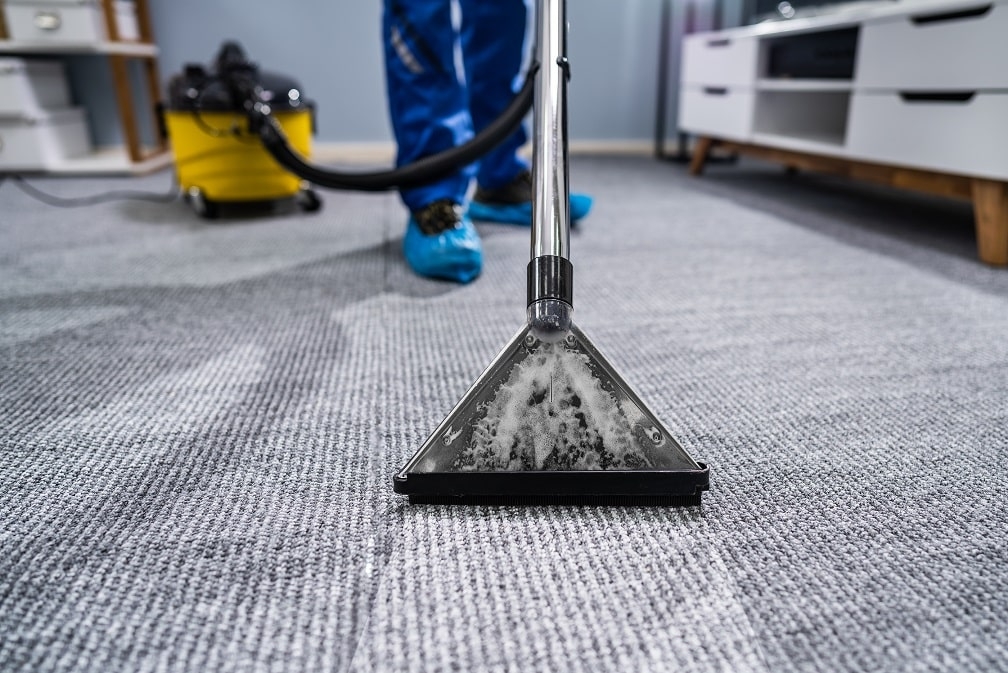
Viera Carpet Cleaning After Flooding After Hurricanes: Costs, Causes, and Solutions
Flooding after hurricanes is something many homeowners in Viera and across Brevard County have faced in recent years. Heavy rain, storm surge, and wind-driven water can quickly overwhelm drainage systems and push water into homes. When that happens, carpets are often one of the first materials affected.
Carpet may look dry on the surface after a day or two, but hidden moisture in the padding and subfloor can create lingering odors, structural damage, and eventually mold. Understanding why this happens, what it costs to correct, and how professionals approach the problem can help property owners make better decisions after a storm.
What Carpet Damage After Flooding Really Means
Floodwater doesn’t just soak the top layer of carpet. It travels deep into the padding underneath and often into the subfloor. In hurricane-prone areas like Viera, the water may also carry fine sediment, organic material, and contaminants that settle into fibers and backing.
That combination of moisture and debris makes simple surface cleaning ineffective. True carpet cleaning after flooding is really a moisture-removal and sanitation process that focuses on what lies below the surface.
Why This Happens So Often in Viera
Homes in Viera and nearby Palm Bay, Melbourne, and Rockledge share several conditions that increase the risk of carpet damage after storms:
- Intense seasonal rainfall and hurricanes
- High year-round humidity
- Low-lying neighborhoods and drainage challenges
- Slab foundations that trap moisture
- Air conditioning systems running continuously, which can slow drying
After hurricanes, even homes that didn’t experience deep flooding may see water intrusion through doors, garage areas, or minor roof leaks. That small amount of water is enough to saturate carpet padding.
Common Signs Homeowners Notice
Many homeowners first notice a problem days after the storm, not immediately.
Typical warning signs include:
- A musty or damp odor
- Carpet that feels slightly cool or clammy
- Discoloration or faint staining
- Edges of carpet curling or loosening
- Increased indoor humidity
Sometimes the carpet appears normal, but moisture meters still detect high levels of trapped water below the surface.
Hidden or Overlooked Sources of Moisture
One of the biggest challenges after hurricane flooding is identifying all the moisture sources. Carpet damage is often only part of the picture.
Hidden contributors may include:
- Water trapped beneath baseboards
- Moisture inside drywall near the floor
- Wet insulation behind walls
- Damp concrete slabs that release moisture slowly
In many Brevard County homes, moisture also lingers in closets or under furniture where airflow is limited.
Why DIY Carpet Cleaning Usually Fails
Homeowners often try to dry carpets using fans, shop vacuums, or household cleaners. While these steps may remove surface moisture, they rarely address the deeper problem.
DIY methods typically fail because:
- Padding underneath the carpet remains wet
- Household vacuums lack extraction power
- Fans dry the top layer but trap moisture below
- Cleaning solutions can leave residues that attract bacteria
In warm, humid environments like Viera, trapped moisture can begin supporting mold growth in as little as 24–48 hours.
Professional Inspection and Moisture Testing Explained
Professional assessment is usually the first step in determining whether carpet can be saved.
Technicians typically:
- Measure moisture levels in carpet, padding, and subfloor
- Inspect baseboards and wall cavities
- Check humidity levels in the home
- Identify contamination risks from floodwater
Companies such as Palm Bay Mold Removal often use moisture mapping to understand how far water has spread. This helps determine whether cleaning, drying, or removal is the best option.
The Carpet Cleaning and Restoration Process
When carpet can be restored, the process usually involves several stages.
1. Water Extraction
High-powered extraction equipment removes as much water as possible from carpet fibers and padding.
2. Padding Assessment
If padding is heavily saturated or contaminated, it may need to be replaced to prevent odors and mold.
3. Structural Drying
Air movers and dehumidifiers are placed strategically to dry subfloors and surrounding materials.
4. Cleaning and Sanitizing
Once moisture levels are controlled, carpets are cleaned to remove residues and contaminants.
5. Final Moisture Verification
Technicians confirm that materials have reached safe moisture levels before equipment is removed.
This approach prevents long-term problems rather than simply improving appearance.
Costs: What Homeowners Should Expect
Costs vary depending on several factors:
- How long water remained in the carpet
- The size of the affected area
- Whether padding must be replaced
- Whether subfloor drying is required
Minor water exposure may require only extraction and drying, while severe flooding may require partial replacement of materials. Homes in Viera that experience hurricane flooding often fall somewhere in the middle, where drying and partial restoration are both necessary.
Insurance coverage may apply in certain storm-related situations, though policies differ widely.
Flood Restoration and Water Damage Repair
Carpet cleaning is often just one part of the restoration process. Flood restoration may also include:
- Drying walls and structural framing
- Removing damaged drywall
- Treating areas to prevent microbial growth
- Repairing flooring and trim
Ignoring these steps can allow hidden moisture to cause damage months later.
Air Ducts, AC Systems, and Moisture After Flooding
After hurricanes, HVAC systems play an important role in indoor humidity control. However, ductwork and air handlers can also trap moisture.
Common issues include:
- Condensation in duct lines
- Damp insulation near vents
- Reduced airflow due to humidity buildup
In some cases, air duct cleaning and system inspection help restore proper air circulation and reduce lingering odors.
How to Prevent Carpet Damage in Future Storms
While hurricanes cannot be avoided, several practical steps can reduce the risk of severe carpet damage:
- Keep gutters and drainage clear
- Seal entry points around doors and windows
- Use dehumidifiers after storms
- Lift or remove area rugs in flood-prone rooms
- Schedule periodic moisture inspections
Homeowners in coastal areas like Satellite Beach and Cocoa Beach often take these precautions each storm season.
Why Local Experience Matters
Carpet cleaning after flooding in Florida is different from restoration work in drier regions. High humidity, warm temperatures, and storm-related contamination require specialized drying strategies.
Technicians familiar with Brevard County conditions understand:
- How quickly mold can develop
- How long structural drying usually takes
- Which materials are most vulnerable
- How coastal weather affects drying time
That local knowledge often makes the difference between a temporary fix and a lasting solution.
A Calm, Practical Next Step
Flooding after hurricanes is stressful, but most carpet damage can be addressed effectively when handled early. The key is acting quickly, confirming moisture levels, and using proper drying methods rather than relying on surface cleaning alone.
Homeowners in Viera and nearby communities often find that early inspection and professional cleaning prevent much larger repairs later. Companies such as Palm Bay Mold Removal focus on identifying hidden moisture and restoring materials safely, helping properties recover fully after severe weather.
Taking a steady, informed approach is usually the best way to protect both the home and the investment it represents.