Titusville Water Leak Detection After Plumbing Leaks: Professional Tips for Property Owners
Plumbing leaks are one of the most common causes of hidden water damage in homes and small commercial properties across Titusville. While some leaks are obvious, many develop slowly behind walls, under flooring, or inside ceilings, where moisture can spread unnoticed. By the time visible damage appears, water may have already affected structural materials, insulation, and indoor air quality.
What Happens After a Plumbing Leak
When a pipe leaks, water rarely stays in one place. It moves along framing, seeps into porous materials, and spreads into surrounding areas. Drywall, wood, insulation, and flooring all absorb moisture, allowing dampness to remain even after the leak itself stops.
In many homes, plumbing leaks lead to:
- Damp wall cavities
- Warped or soft flooring
- Stains on ceilings or walls
- Musty odors
- Increased indoor humidity
Because water can travel several feet from the original source, the visible damage may only represent a small part of the overall problem.
Why Plumbing Leaks Are Common in Titusville
Several factors contribute to plumbing-related moisture problems in Titusville and nearby areas like Mims, Cocoa, and Merritt Island.
Humidity slows drying
Florida’s high humidity prevents materials from drying quickly, allowing moisture to linger.
Frequent rainstorms
Heavy rainfall increases indoor humidity and can make small leaks harder to detect.
Aging plumbing components
Older valves, fittings, and supply lines may gradually weaken and begin leaking.
Continuous HVAC use
Air conditioning systems help remove humidity but may not fully dry hidden areas affected by leaks.
These conditions make early leak detection especially important in coastal environments.
Early Warning Signs Homeowners Should Not Ignore
Many plumbing leaks begin slowly, producing subtle signs before major damage occurs. Recognizing these early clues can prevent more serious issues.
Unexplained musty odors
A persistent damp smell often indicates hidden moisture.
Water stains or discoloration
Yellow or brown stains on ceilings or walls usually signal a slow leak.
Peeling paint or bubbling drywall
Moisture trapped behind surfaces causes finishes to separate.
Higher water bills
An unexpected increase in water usage may point to a concealed leak.
Soft or uneven flooring
Moisture can weaken subfloor materials over time.
These signs often appear gradually and should be investigated as soon as possible.
Hidden or Overlooked Leak Locations
Some plumbing leaks occur in areas that homeowners rarely inspect.
Behind walls
Supply lines and drain pipes can develop slow leaks that remain hidden for long periods.
Under sinks and cabinets
Drips from connections can saturate wood and flooring.
Inside ceilings
Leaks from upper floors or attic plumbing may spread across wide areas before becoming visible.
Around water heaters and appliances
Connections and valves are common failure points.
Beneath flooring or slab areas
Leaks in subfloor plumbing can go unnoticed until damage becomes significant.
Professional leak detection is often the most reliable way to locate these hidden sources.
Why DIY Leak Detection Often Falls Short
Homeowners sometimes try to locate leaks by checking visible plumbing or listening for dripping sounds. While these methods can help identify obvious leaks, they rarely detect moisture trapped inside walls or floors.
DIY efforts often miss:
- Moisture in insulation
- Slow leaks inside concealed pipes
- Water migration through structural materials
- Early-stage mold growth
Professional inspections use specialized tools to locate moisture accurately and determine how far it has spread.
Professional Water Leak Detection Explained
A professional leak detection inspection focuses on locating both the source of water and any hidden moisture damage.
Technicians typically:
- Inspect visible plumbing and fixtures
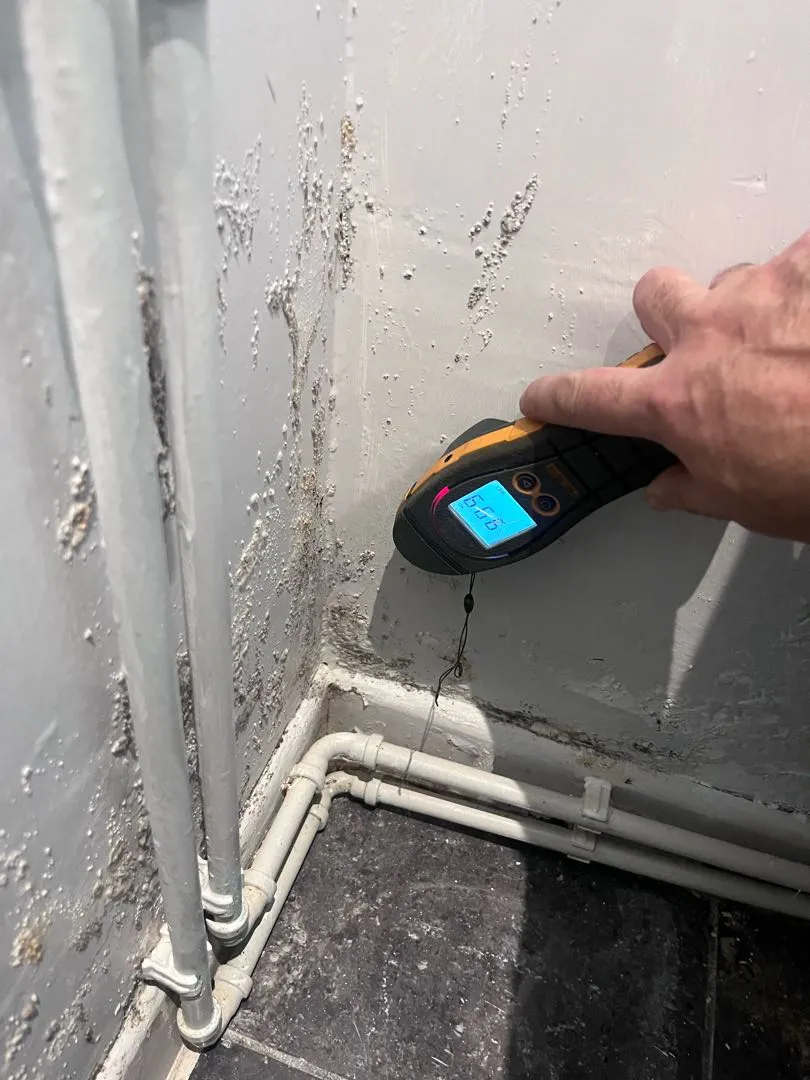
- Use moisture meters to check walls and floors
- Perform thermal imaging to detect temperature differences caused by moisture
- Measure indoor humidity levels
- Evaluate surrounding materials for signs of water intrusion
This process helps determine the full extent of the problem and guides the repair and drying process.
Professionals experienced in Titusville and Brevard County homes understand common plumbing layouts and moisture patterns, allowing them to locate leaks more efficiently.
Mold Risks After Plumbing Leaks
One of the most significant risks after a plumbing leak is mold growth. Mold can begin developing within 24 to 48 hours in damp environments, especially in warm climates like Florida.
Areas most at risk include:
- Behind drywall
- Inside cabinets
- Beneath carpets and padding
- In attic or crawl space insulation
If mold develops, remediation may be necessary to remove contamination and restore a dry indoor environment.
Palm Bay Mold Removal and similar local specialists often emphasize that controlling moisture quickly is the most effective way to prevent mold problems from developing after a leak.
Water Damage Repair and Restoration
Once a leak has been repaired, drying and restoration are essential to prevent further damage.
Water damage restoration typically includes:
- Removing wet materials when necessary
- Using drying equipment to reduce moisture
- Cleaning and sanitizing affected areas
- Monitoring moisture levels until materials are fully dry
Proper drying helps preserve structural integrity and reduces the likelihood of mold growth.
HVAC Systems and Indoor Air Quality
Plumbing leaks can also affect HVAC systems, especially when leaks occur in ceilings or walls near ductwork. Moisture can enter ducts or insulation, allowing contaminants to circulate throughout the home.
Possible HVAC-related issues include:
- Musty odors from vents
- Reduced airflow
- Dust and debris buildup
- Increased humidity indoors
Inspecting HVAC systems after a leak helps prevent indoor air quality problems and ensures proper airflow.
How to Prevent Plumbing Leak Damage
Preventive maintenance plays a major role in protecting homes from water damage.
Property owners in Titusville can reduce risks by:
- Inspecting plumbing fixtures regularly
- Checking under sinks and around appliances
- Monitoring water pressure
- Repairing small leaks promptly
- Scheduling periodic professional inspections
- Installing leak detection devices in high-risk areas
Routine checks often identify problems before they become costly repairs.
Why Local Experience Matters
Water damage behaves differently in coastal Florida than in drier climates. Homes in Titusville, Cocoa, Rockledge, and Palm Bay often share construction methods and environmental conditions that influence moisture movement and drying times.
Professionals familiar with the region understand:
- How humidity affects drying
- Where hidden moisture commonly accumulates
- Which areas of homes are most vulnerable to leaks
Palm Bay Mold Removal and other regional specialists often tailor inspection and restoration approaches to these conditions, helping homeowners achieve more reliable results.
A Practical Next Step for Property Owners
If you notice musty odors, stains, or unexplained humidity after a plumbing issue, scheduling a leak detection inspection is a smart step. Early detection prevents structural damage, protects indoor air quality, and reduces the risk of mold growth.
Addressing moisture quickly helps keep homes in Titusville comfortable, safe, and structurally sound, even in Florida’s humid climate.