
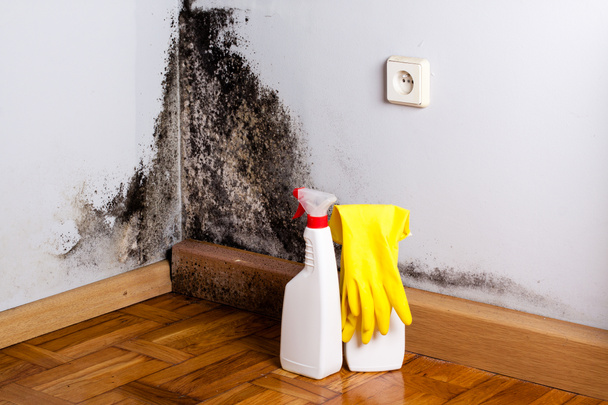
Titusville Mold Removal in Residential Homes: Step-by-Step Process Explained
Titusville homes deal with a familiar Florida combo: long humid seasons, daily AC run time, and rain that shows up fast and leaves slowly. That’s why mold problems here often start quietly—inside an AC closet, above a bathroom, or behind a baseboard—until a smell or stain finally gets your attention.
A proper mold removal job isn’t just “clean it.” It’s removing growth, fixing the moisture that caused it, and leaving the home dry enough that it doesn’t return the next humid week. Here’s the step-by-step process homeowners should understand.
What the issue usually is in Titusville homes
Mold is almost always tied to moisture that stayed too long. In Titusville, the most common triggers are:
• AC condensation overflow (clogged drain line, rusted pan, failed float switch)
• Roof leaks after heavy rain or wind-driven storms
• Bathroom moisture with weak ventilation
• Slow plumbing leaks under sinks or inside walls
• Wet carpet/padding after a small flood event
• Ductwork “sweating” in a hot attic due to poor insulation or airflow
Why it happens so often here
High outdoor humidity slows drying, and hot attics amplify condensation problems. Many homes sit on slab foundations where water can wick at the edges. Add long cooling seasons and you get frequent condensation, which means frequent opportunities for damp drywall, insulation, and dust to become a growth surface.
Common signs homeowners notice
Most people notice the clues first:
• Musty odor that’s stronger when the AC turns on
• New or expanding ceiling stains
• Bubbling paint or peeling near the roofline
• Soft baseboards, swelling near the floor, or warped trim
• Dark spotting around vents or window corners
• A room that feels clammy even with the AC running
Hidden or overlooked sources
Mold often hides where moisture collects and air doesn’t move:
• Behind vanities and around toilet bases
• Inside HVAC return cavities and around air handlers
• Under carpet padding and along tack strips
• On attic roof decking above bathrooms/kitchens
• Inside wall cavities below a roof leak path
• Around aging window seals
Why DIY mold removal usually fails
DIY cleanup can handle tiny mildew on hard, non-porous surfaces. It usually fails when mold is in porous materials (drywall, insulation, carpet padding) or when the moisture source is still active. Wiping the surface doesn’t dry the wall cavity, fix the AC drain line, or stop a slow roof intrusion—so the problem returns.
Professional mold inspection and testing explained
A solid project starts with clarity:
• Walkthrough of affected rooms and common moisture zones
• Moisture detection (non-invasive scanning plus pinpoint readings)
• Thermal imaging when needed to trace hidden dampness
• Air or surface sampling when conditions warrant it (especially persistent odors without visible growth)
Testing isn’t always required, but it helps confirm whether hidden areas are involved and prevents unnecessary demolition.
Proper mold removal and remediation process
- Fix the moisture first
This is the make-or-break step. Common corrections include clearing AC condensate drains, repairing roof flashing/shingles, fixing plumbing leaks, and improving ventilation. Palm Bay Mold Removal often starts Titusville projects by mapping moisture to confirm the source is truly resolved before removal begins. - Contain the work area
Containment helps keep disturbed particles from spreading:
• Plastic barriers to isolate the affected zone
• Negative air and HEPA filtration when needed
• Protecting HVAC returns/supplies in the work area - Remove unsalvageable porous materials
Materials that stay contaminated or saturated are usually removed:
• Affected drywall sections
• Wet insulation
• Carpet padding (and sometimes carpet, depending on exposure time)
• Swollen baseboards or trim - Clean remaining structural surfaces
After removal, remaining framing and hard surfaces are cleaned with HEPA vacuuming and targeted cleaning methods. The goal is physical removal of contamination and residue, not masking odor. - Dry the structure and verify it
Florida humidity makes “air dry” unreliable. Controlled drying typically uses commercial dehumidifiers and air movers, with humidity monitoring and moisture readings. A practical target is keeping indoor humidity under 60% during the dry-out. Drying is complete when readings show materials are back to stable moisture levels—especially wall bottoms, window-adjacent drywall, and attic decking where leaks often linger. - Address HVAC and duct issues
Because many Titusville cases involve condensation, the HVAC side matters:
• Check drain pan/line condition and airflow restrictions
• Replace filters and confirm returns aren’t blocked
• Duct cleaning when debris/moisture compromised the system
• Repair duct insulation if sweating is the real cause
If the system has been pulling humid air from a damp area, cleaning and correcting airflow helps stop recurring odors.
What to expect during the work in an occupied home
Most residential jobs are set up to keep disruption contained. You may hear air movers and dehumidifiers running continuously, and certain rooms may be temporarily off-limits due to containment. If carpet cleaning or water extraction is part of the project, furniture may be shifted to allow airflow at floor level. A good team will explain which areas are being dried, what readings they’re watching, and when it’s safe to start repairs.
Flood restoration and water damage repair when mold follows water
If mold started after a water event (plumbing leak, water heater failure, storm intrusion), the sequence matters: water removal and moisture mapping first, then controlled drying, then repairs. Rushing repairs traps moisture and makes mold more likely. Carpet cleaning, water extraction, and dehumidification are often part of the same project.
How to prevent mold in Titusville homes
Prevention is mostly moisture control:
• Keep indoor humidity below 60% (use a hygrometer)
• Flush AC condensate drain lines regularly in summer
• Replace HVAC filters consistently and keep returns unblocked
• Run bathroom fans and ensure they vent outdoors
• Check the attic after major storms for wet insulation or dark decking
• Fix small roof/plumbing issues early, before materials stay damp
• Consider periodic duct inspections in older homes or after water events
Why local experience matters
Titusville homes range from older properties with original ventilation quirks to newer construction that’s tightly sealed and can trap humidity if airflow is off. Knowing where moisture typically hides—AC closets, attic decking above bathrooms, slab edges, and duct runs—helps keep inspections targeted and repairs efficient. Palm Bay Mold Removal serves Titusville, Merritt Island, Viera, Cocoa Beach, Melbourne, Rockledge, Satellite Beach, and surrounding Brevard County communities, and that local pattern recognition matters.
A calm next step
If you suspect mold, start with moisture: find it, measure it, and fix it. Once the source is controlled, removal and drying become straightforward—and the repairs actually last.