
Titusville Mold Inspection from AC Condensation: Costs, Causes, and Solutions
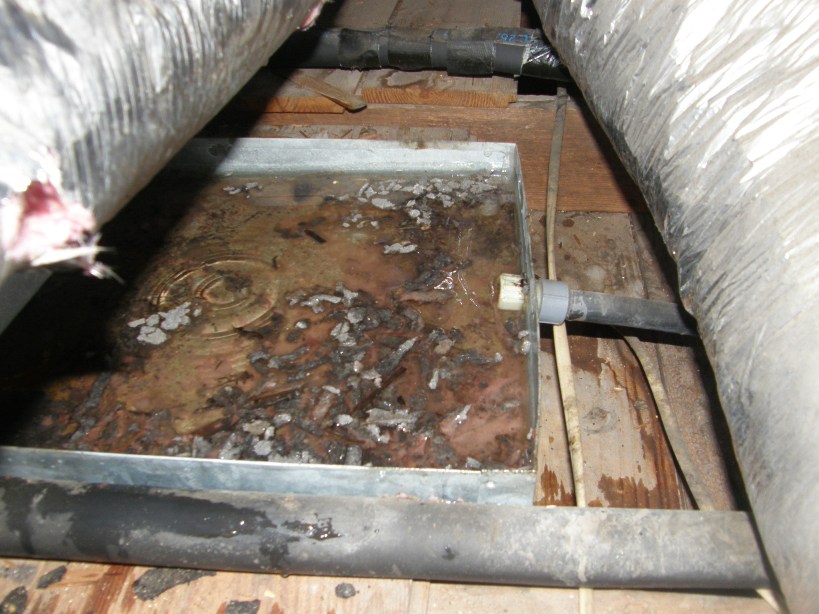
In Titusville, air conditioning systems operate for much of the year due to persistent heat and humidity. While AC systems are designed to remove moisture from indoor air, they can unintentionally become a source of water intrusion when condensation is not properly managed. Over time, that excess moisture can lead to mold growth inside air handlers, ducts, walls, ceilings, and surrounding building materials.
Mold caused by AC condensation is one of the most overlooked indoor air quality issues in coastal Florida homes. Because it often develops behind walls or inside ductwork, it may go unnoticed until odors, health symptoms, or visible staining appear. A professional mold inspection plays a critical role in identifying the source, assessing contamination levels, and preventing long-term structural and air quality problems.
This comprehensive guide explains how AC condensation leads to mold, what Titusville homeowners should watch for, how inspections work, typical costs, and long-term solutions to prevent recurrence.
Why AC Condensation Becomes a Problem in Titusville Homes
Air conditioners cool indoor air by passing warm air over cold evaporator coils. As warm, humid air hits those coils, condensation forms. That moisture is supposed to drain safely through a condensate line and out of the home.
Problems arise when:
- Drain lines clog with algae or debris
- Drain pans crack or overflow
- Coils freeze and thaw repeatedly
- Ducts sweat due to insulation issues
- Air handlers leak or tilt improperly
- Systems are oversized or short-cycle
In Titusville’s humid climate, even minor inefficiencies can create ongoing moisture accumulation. When water lingers inside enclosed spaces, mold spores—already present in the air—can begin colonizing surfaces within 24–48 hours.
Common Causes of Mold from AC Condensation
1. Clogged Condensate Drain Lines
Algae and debris frequently clog AC drain lines in Florida. When the line backs up, water overflows into the drain pan or surrounding structure.
2. Rusted or Cracked Drain Pans
Older systems often have corroded metal pans. Once compromised, water leaks into ceilings, attics, or walls.
3. Poor Duct Insulation
Cold air moving through ducts in hot attics causes condensation on the exterior of ductwork. Over time, insulation becomes saturated and mold develops.
4. Oversized AC Units
Systems that cool too quickly don’t run long enough to properly dehumidify. This leaves excess indoor humidity that contributes to mold growth.
5. Improper Installation
Incorrectly sloped drain lines or misaligned air handlers allow water pooling instead of proper drainage.
6. Neglected Maintenance
Dirty coils, clogged filters, and poor airflow increase condensation buildup and reduce system efficiency.
Early Warning Signs You Should Not Ignore
AC-related mold often begins subtly. Homeowners in Titusville should watch for:
- Musty smells when the AC turns on
- Dark spots around air vents
- Water stains on ceilings near air handlers
- Persistent indoor humidity above 55%
- Condensation on vent registers
- Allergy-like symptoms indoors
- Dripping sounds inside walls
These symptoms suggest hidden moisture problems that require professional evaluation.
Why Professional Mold Inspection Is Essential
Many homeowners attempt to visually inspect vents or wipe away surface mold, but this rarely addresses the root cause. Mold from AC condensation often spreads inside:
- Wall cavities
- Ceiling voids
- Attic insulation
- Flexible duct lining
- Air handler compartments
Professional inspection ensures that both visible and hidden contamination are identified before remediation begins.
The Mold Inspection Process
1. Visual Assessment
Inspectors evaluate:
- Air handler units
- Drain pans and lines
- Duct connections
- Ceiling and wall surfaces
- Attic insulation
- Vent registers
Visible staining, corrosion, and microbial growth are documented.
2. Moisture Detection
Advanced tools such as:
- Moisture meters
- Hygrometers
- Infrared thermal imaging cameras
These tools detect hidden dampness behind drywall and inside insulation.
3. Air Sampling
Air tests measure mold spore levels inside the home compared to outdoor baselines. Elevated indoor counts often indicate concealed contamination.
4. Surface Sampling
Swab or tape samples determine mold type and severity. This helps tailor remediation strategies.
5. Detailed Reporting
Homeowners receive a written report including:
- Affected areas
- Moisture sources
- Lab results
- Recommended corrective actions
- Preventive recommendations
This documentation is especially useful for insurance claims or real estate transactions.
Costs of Mold Inspection in Titusville
Costs vary depending on home size and testing scope:
- Basic Visual Inspection: $300–$500
- Inspection with Air Sampling: $500–$900
- Comprehensive Inspection (multiple samples + thermal imaging): $800–$1,500
- Post-Remediation Clearance Testing: $250–$600
Although inspection adds an upfront expense, it often prevents thousands of dollars in structural repairs later.
Mold Remediation Solutions After Inspection
Once mold from AC condensation is confirmed, remediation typically includes:
Containment
Plastic barriers and negative air machines prevent spores from spreading to unaffected areas.
Removal of Contaminated Materials
- Wet insulation
- Mold-damaged drywall
- Severely contaminated duct liner
These materials are safely removed and disposed of.
Cleaning Non-Porous Surfaces
Metal ductwork and AC components are cleaned using antimicrobial solutions and HEPA vacuum systems.
HVAC System Treatment
Coils, drain pans, and blower assemblies are disinfected to eliminate residual growth.
Structural Drying
Dehumidifiers and air movers reduce moisture to safe levels before reconstruction begins.
Clearance Testing
Post-remediation testing confirms that mold levels have returned to normal.
Remediation Costs in Titusville
Costs depend on severity:
- Small, Localized AC Mold Issue: $800–$2,000
- Moderate Duct and Wall Contamination: $2,000–$6,000
- Extensive Structural and HVAC Remediation: $6,000–$15,000+
Insurance may cover mold damage if tied directly to a sudden system failure, but long-term neglect is often excluded.
Long-Term Solutions to Prevent Recurrence
1. Schedule Annual AC Maintenance
Routine servicing includes:
- Cleaning evaporator coils
- Flushing condensate lines
- Inspecting drain pans
- Checking refrigerant levels
2. Install a Secondary Drain Line or Float Switch
A float switch shuts the system off if the drain pan fills, preventing overflow damage.
3. Maintain Proper Humidity Levels
Use dehumidifiers to keep indoor humidity between 40%–50%.
4. Improve Duct Insulation
Seal and insulate ducts in attics to reduce sweating and condensation.
5. Upgrade Aging Systems
Older AC units are more prone to leaks and inefficiency. Modern systems improve humidity control.
6. Use UV Light in Air Handlers
UV lights reduce microbial growth inside AC compartments.
7. Monitor Indoor Air Quality
Humidity sensors and smart thermostats can alert homeowners to elevated moisture levels.
Health Impacts of AC-Related Mold
Prolonged exposure may contribute to:
- Chronic sinus irritation
- Asthma flare-ups
- Headaches
- Fatigue
- Skin irritation
Sensitive individuals, including children and elderly residents, may experience stronger reactions. Early inspection reduces exposure risk.
Why Local Experience Matters in Titusville
Titusville’s proximity to coastal waters increases ambient humidity. Homes often feature:
- Slab foundations
- Attic-installed air handlers
- Flexible duct systems
- High year-round AC usage
Local inspectors understand these structural characteristics and climate patterns, allowing them to identify risk areas more effectively than general contractors unfamiliar with Florida’s environmental challenges.
Protecting Property Value
Undetected mold can:
- Damage ceilings and framing
- Reduce HVAC efficiency
- Decrease home resale value
- Complicate inspections during real estate transactions
Routine inspections help preserve long-term investment value while protecting occupant health.
When to Schedule a Mold Inspection
You should consider inspection if:
- Your AC drain line has overflowed
- You’ve noticed recurring condensation near vents
- Indoor humidity remains high
- You smell musty odors when the system runs
- You recently replaced an AC unit in an older home
- There has been visible water staining near air handlers
Waiting allows mold colonies to expand, increasing remediation costs.
Final Thoughts
AC condensation is an often-overlooked cause of mold growth in Titusville homes. While air conditioning systems are designed to improve comfort, improper drainage, humidity imbalance, and neglected maintenance can create ideal conditions for microbial contamination.
Professional mold inspection identifies hidden moisture sources, determines contamination levels, and guides effective remediation. Though inspection and remediation involve costs, they are significantly less than the expense of prolonged structural damage and HVAC replacement.
By investing in regular AC maintenance, humidity control, and timely inspections, Titusville homeowners can prevent recurring mold problems, protect indoor air quality, and safeguard the structural integrity of their homes for years to come.