Titusville Flood Restoration in Commercial Buildings: Professional Tips for Property Owners
Flooding can be one of the most disruptive events a commercial property owner faces. In Titusville, heavy rains, storm surge, plumbing failures, and drainage issues can introduce large amounts of water into offices, warehouses, retail units, and other commercial buildings. Unlike minor leaks, flooding can affect flooring, walls, equipment, and structural components all at once.
Flood restoration is a structured process designed to remove water, dry the structure, repair damage, and prevent long-term problems such as mold growth or material deterioration. Understanding how restoration works—and how to respond effectively—helps property owners protect their investment and minimize downtime.
What Flood Restoration Involves in Commercial Buildings
Flood restoration in commercial settings is more complex than in residential homes because of larger floor areas, heavier equipment, and more extensive HVAC systems. Restoration typically includes:
- Water extraction and removal
- Moisture detection and assessment
- Drying and dehumidification
- Cleaning and sanitizing affected areas
- Repairs to damaged materials
The goal is to stabilize the structure quickly and prevent secondary damage that can increase costs or delay reopening.
Why Flooding Affects Commercial Buildings in Titusville
Commercial properties in Titusville and nearby areas such as Merritt Island, Cocoa, and Viera face environmental conditions that increase flood risk.
Heavy seasonal rainfall
Sudden storms can overwhelm drainage systems or roof structures.
Flat or low-slope commercial roofs
These roofs can allow water to pool if drainage systems become clogged.
Large HVAC and plumbing systems
Commercial equipment increases the number of potential leak sources.
High humidity levels
Moisture remains in building materials longer, slowing the drying process.
Because of these factors, flood restoration must begin quickly to prevent long-term damage.
Early Signs That Flood Restoration Is Needed
In some cases, flooding is obvious, but in others, water may spread gradually through floors and walls. Property owners or maintenance teams may notice:
- Standing water or wet flooring
- Water stains spreading along walls
- Warping or buckling floor materials
- Musty odors developing within days
- Increased humidity indoors
These signs indicate that moisture is present and may be affecting hidden areas of the building.
Hidden Damage After Flooding
Water often travels beyond the visible wet area. In commercial buildings, hidden moisture frequently collects in:
- Wall cavities behind drywall
- Carpet padding or under flooring
- Ceiling insulation and tiles
- Mechanical rooms and duct systems
- Storage areas and baseboards
Without proper moisture detection, these areas may remain damp and lead to mold or structural damage later.
Why Quick Response Is Critical
One of the most important professional tips for property owners is to act quickly. Floodwater begins affecting materials immediately, and prolonged exposure increases damage.
Delayed response can result in:
- Mold growth within a few days
- Structural weakening of drywall and wood
- Odors that persist even after drying
- Increased restoration costs
Rapid extraction and drying significantly reduce these risks and help restore the building faster.
The Professional Flood Restoration Process
Flood restoration typically follows a step-by-step process designed to remove water efficiently and stabilize the structure.
Step 1: Assessment and Safety Inspection
Technicians evaluate the building, identify hazards, and determine the extent of water intrusion.
Step 2: Water Extraction
High-capacity pumps and extraction equipment remove standing water from floors and surfaces.
Step 3: Moisture Detection
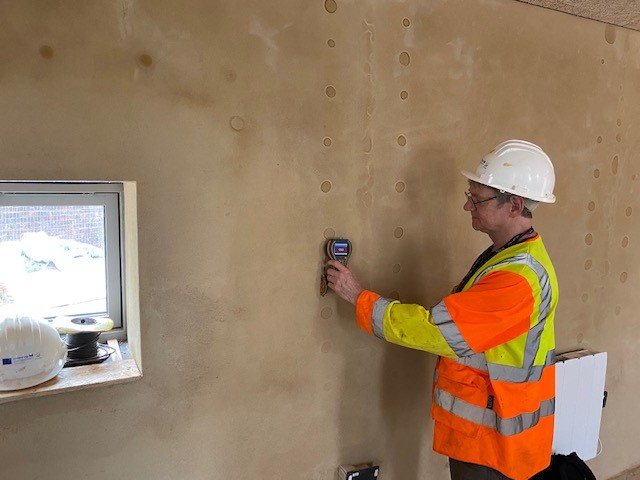
Moisture meters and thermal imaging tools locate hidden water behind walls, ceilings, and flooring.
Step 4: Drying and Dehumidification
Air movers and industrial dehumidifiers are placed strategically to remove moisture from materials and air.
Step 5: Cleaning and Sanitizing
Surfaces are cleaned to remove residues left by floodwater.
Step 6: Monitoring and Verification
Moisture levels are checked regularly until materials return to safe levels.
This systematic approach helps ensure the building is fully dried and restored.
Repairs and Structural Restoration
After drying is complete, some materials may require repair or replacement depending on the severity of the damage. Restoration may include:
- Replacing damaged drywall or ceiling tiles
- Repairing flooring or subfloors
- Restoring insulation
- Sealing leaks or drainage problems
Addressing these issues prevents recurring moisture problems and helps restore normal building operations.
HVAC Systems and Flood Damage
Commercial HVAC systems play a major role in drying and indoor air quality, but they can also be affected by flooding.
During restoration, technicians often inspect:
- Air ducts and insulation
- Air handlers and mechanical rooms
- Condensation lines and drain systems
- Ventilation airflow
Cleaning and maintaining HVAC systems after flooding helps prevent odors and moisture circulation.
Professional Tips for Property Owners
Property owners and managers can reduce long-term damage by following several practical guidelines:
Act immediately after flooding
Quick response minimizes structural damage and drying time.
Document the damage
Photographs and records help with insurance and repair planning.
Shut off water sources when possible
Stopping the source prevents additional damage.
Schedule professional moisture inspections
Hidden moisture can remain even after water is removed.
Maintain roofs, gutters, and drainage systems
Preventive maintenance reduces future flood risks.
These steps help property owners respond effectively and reduce downtime.
Preventing Future Flood Damage
While not all flooding can be prevented, several measures reduce the likelihood of future damage:
- Inspect roofs and drainage systems regularly
- Ensure downspouts and exterior drains are clear
- Maintain plumbing systems and water heaters
- Monitor indoor humidity levels
- Schedule periodic building inspections
Commercial buildings in nearby communities such as Palm Bay and Rockledge often follow similar preventive routines because climate conditions are consistent across Brevard County.
Why Local Experience Matters
Flood restoration in coastal Florida requires an understanding of humidity patterns, storm behavior, and commercial building construction. Drying times and moisture movement differ from those in drier climates.
Professionals familiar with Titusville commercial properties understand:
- How moisture spreads in large buildings
- Where water typically collects after flooding
- Which materials are most vulnerable
- How to prevent recurring moisture problems
Palm Bay Mold Removal and other experienced local providers often focus on both water removal and long-term moisture control, helping property owners protect their buildings effectively.
A Practical Approach for Property Owners
Flooding in commercial buildings can be disruptive, but proper restoration helps minimize damage and restore operations quickly. Prompt water removal, thorough drying, and careful repairs are essential steps in protecting both the structure and indoor environment.
For property owners in Titusville, regular inspections, preventive maintenance, and quick response to leaks or flooding are the most effective ways to reduce risk. With early action and proper restoration, most flood damage situations can be resolved efficiently and prevented from becoming recurring problems.