
Titusville Emergency Water Removal After Water Damage: A Local Homeowner Guide
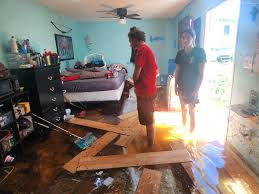
Water damage in Titusville rarely happens at a convenient time. It’s usually a late-night pipe burst, a sudden summer storm, an overflowing washing machine, or heavy rain pushing water under a door during hurricane season.
When it happens, emergency water removal becomes the most important first step. Not tomorrow. Not after the weekend. Immediately.
If you’re a homeowner in Titusville dealing with water damage, here’s what you need to know about emergency water removal and what happens next.
Why Fast Water Removal Is Critical in Titusville
Florida heat changes everything.
In cooler climates, water may sit longer before major damage occurs. In Titusville’s warm, humid environment, water spreads fast and accelerates structural deterioration.
Within 24–48 hours:
- Drywall swells and softens
- Wood framing absorbs moisture
- Flooring adhesives weaken
- Carpet padding becomes saturated
- Mold can begin developing
The longer water sits, the more expensive the repairs become.
Emergency water removal is about stopping that clock.
Common Causes of Emergency Water Damage in Titusville
Local homeowners frequently experience water damage from:
- Tropical storms and heavy rain
- Roof leaks
- AC drain line clogs
- Slab leaks
- Broken water supply lines
- Appliance failures (dishwashers, washing machines)
Homes near low-lying areas or closer to the Indian River Lagoon may also face increased flooding risks during heavy storms.
Understanding the source helps determine the restoration approach.
Step 1: Immediate Assessment
Before equipment is set up, professionals evaluate:
- Source of the water
- Category of contamination
- Extent of spread
- Impacted materials
- Safety hazards
Water is classified into three categories:
Clean water – From supply lines or rain without contamination.
Gray water – Slightly contaminated (appliance discharge).
Black water – Sewage or outdoor floodwater with contaminants.
The water category determines what can be saved and what must be removed.
Step 2: High-Powered Water Extraction
Emergency water removal starts with extraction.
Professional-grade equipment removes:
- Standing water from floors
- Water trapped in carpet fibers
- Moisture inside padding
- Water pooled in tile grout
- Surface water from slab floors
Household vacuums and fans are not strong enough to extract deeply embedded moisture.
Extraction is critical because the more water removed upfront, the shorter the drying time.
Step 3: Moisture Detection
Visible water is only part of the problem.
In Titusville homes, moisture often hides:
- Behind baseboards
- Inside drywall
- Under laminate or vinyl flooring
- Beneath cabinets
- In attic insulation
Professionals use moisture meters and thermal imaging to locate damp areas that aren’t visible.
Skipping this step leads to future mold problems and lingering odors.
Step 4: Structural Drying
After extraction, drying begins.
Industrial air movers and dehumidifiers are placed strategically to:
- Increase evaporation
- Control indoor humidity
- Protect framing and subfloors
- Prevent secondary damage
Titusville’s high humidity makes controlled drying essential. Simply opening windows can actually introduce more moisture into the home.
Drying usually takes several days and requires daily monitoring to confirm progress.
Mold Risk After Water Damage
In Florida, mold growth is a serious concern after water intrusion.
Common post-water damage mold areas include:
- Behind drywall
- Inside wall insulation
- Under flooring
- Inside HVAC ductwork
If moisture remains trapped, mold can begin growing quickly.
Emergency water removal combined with proper drying dramatically reduces this risk.
When Materials Must Be Removed
Not all materials can be salvaged.
After water damage, professionals may remove:
- Water-damaged drywall
- Saturated insulation
- Contaminated carpet padding
- Warped flooring
- Baseboards below flood line
In black water situations, porous materials are typically discarded for safety reasons.
Removing compromised materials prevents future contamination.
HVAC Considerations
Water damage doesn’t always stop at floor level.
If water affects:
- Air returns
- HVAC closets
- Duct insulation
- Condensate systems
The HVAC system should be inspected before extended operation.
Running air through damp ducts can spread odors and contamination.
Preventing Secondary Damage
Secondary damage happens when water removal is delayed or incomplete.
Examples include:
- Warped hardwood floors
- Cracked tile grout
- Peeling paint
- Structural wood rot
- Mold growth
Emergency response minimizes these risks by stopping moisture migration early.
Why Local Experience Matters in Titusville
Titusville’s building styles, slab foundations, and proximity to water create unique water behavior patterns.
Local restoration professionals understand:
- How water spreads across slab construction
- How humidity impacts drying times
- Where hidden moisture typically collects
- Common storm-related intrusion points
Palm Bay Mold Removal has assisted homeowners throughout Titusville and Brevard County with emergency water removal and moisture control. Local experience helps identify problems faster and dry structures more efficiently.
What Homeowners Should Do Immediately
If you experience water damage in Titusville:
- Shut off the water source if possible.
- Turn off electricity in affected areas (if safe).
- Move valuables away from water.
- Avoid walking on saturated flooring.
- Contact professionals for emergency extraction.
Quick decisions reduce damage and speed up recovery.
After Emergency Water Removal
Once drying is complete, restoration may include:
- Drywall replacement
- Flooring repair
- Cabinet restoration
- Painting
- Odor treatment
The key is confirming that all moisture levels are back to safe standards before rebuilding begins.
Reconstruction without full drying often leads to recurring problems.
Final Thoughts for Titusville Homeowners
Water damage is stressful, but the solution is straightforward: act quickly and remove water completely.
Emergency water removal in Titusville is about:
- Rapid extraction
- Thorough moisture detection
- Controlled drying
- Mold prevention
- Careful restoration
The faster you respond, the more of your home can be saved — and the lower your overall repair costs.
If water has entered your home, immediate action is the smartest step you can take to protect your property and prevent long-term damage.