
Titusville Black Mold Removal After Plumbing Leaks: Costs, Causes, and Solutions
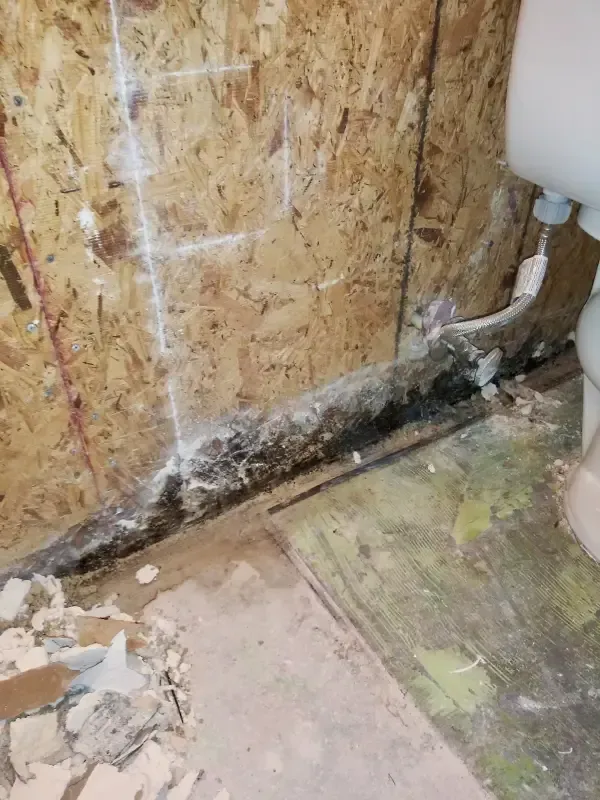
Homes in Titusville frequently contend with high humidity, heavy rains, and aging plumbing systems. When plumbing leaks go unnoticed or unaddressed, they create the perfect environment for black mold (Stachybotrys chartarum) to grow. Black mold is notorious for its dark appearance, musty odor, and ability to spread rapidly behind walls, under flooring, and in other hidden areas.
For homeowners, early detection and professional remediation are essential. Ignoring black mold after a plumbing leak can lead to structural damage, decreased indoor air quality, and costly repairs. This guide explores the causes, warning signs, remediation process, costs, and solutions for Titusville residents dealing with black mold in their homes.
Understanding Black Mold Growth After Plumbing Leaks
Black mold thrives in moist, dark environments. Plumbing leaks provide the sustained water source necessary for spores to colonize:
- Hidden Leaks – Pipes behind walls, under sinks, or in crawl spaces often go unnoticed.
- Persistent Moisture – Even minor leaks over time maintain high humidity in localized areas.
- Poor Ventilation – Attics, bathrooms, and basements with limited airflow trap moisture.
- Aging Building Materials – Drywall, insulation, and wooden structures absorb water and become breeding grounds for mold.
- Warm Temperatures – Florida’s climate accelerates mold growth, allowing colonies to establish in 24–48 hours.
Black mold differs from other types of mold in its density and dark coloration, making early identification crucial to prevent widespread damage.
Common Causes of Black Mold in Titusville Homes
- Leaking Pipes – Aging copper or PVC plumbing can develop cracks, leading to slow leaks behind walls and under flooring.
- Water Heater Malfunctions – Dripping or failing units saturate surrounding areas.
- Bathroom and Kitchen Fixtures – Faulty faucets, showerheads, or under-sink connections may drip unnoticed.
- HVAC Condensation – Poorly maintained AC units or ductwork can create condensation that fuels mold growth.
- Storm-Related Plumbing Stress – Heavy rains and flooding can stress plumbing systems, causing leaks in older homes.
Recognizing these causes allows homeowners to focus inspections on high-risk areas and prevent recurring black mold infestations.
Early Warning Signs of Black Mold
Homeowners should watch for the following indicators:
- Musty or Strong Earthy Odor – Often noticeable before mold is visible.
- Visible Black or Dark Green Spots – Typically on walls, ceilings, around sinks, or near water sources.
- Water Stains or Bubbling Paint – Signs of persistent moisture behind surfaces.
- Warped or Softened Wood – Moisture weakening structural elements.
- Health Complaints – Sneezing, coughing, or irritation of the eyes, nose, and throat among residents.
- Condensation – Windows, pipes, or HVAC vents showing persistent moisture.
Early detection reduces remediation costs and limits the spread to other areas of the home.
Professional Black Mold Inspection
A professional inspection ensures accurate identification and addresses both visible and hidden growth:
- Visual Assessment – Inspect attics, crawl spaces, walls, ceilings, and plumbing areas.
- Moisture Detection – Moisture meters and thermal imaging locate leaks behind surfaces.
- Air and Surface Sampling – Laboratory testing confirms the presence and concentration of black mold spores.
- Identify Problem Areas – Focus on areas near plumbing leaks, HVAC systems, and moisture-prone zones.
- Documentation – Detailed reports assist with remediation planning, insurance claims, and property management.
Professional assessment is especially critical in older homes or properties with hidden plumbing leaks, where mold may not be immediately visible.
Step-by-Step Black Mold Removal Process
Step 1: Containment
- Isolate affected areas using plastic barriers or negative air pressure to prevent spores from spreading to other rooms.
- Protect unaffected areas and personal belongings.
Step 2: Removal of Contaminated Materials
- Porous materials like drywall, insulation, and carpet may require removal.
- Non-porous surfaces, including tile, metal, or treated wood, are cleaned with specialized antimicrobial solutions.
Step 3: Cleaning and Sanitization
- HEPA vacuums remove mold spores from surfaces and ductwork.
- Antimicrobial cleaners reduce the risk of regrowth and neutralize odors.
Step 4: Drying and Moisture Control
- Air movers, fans, and dehumidifiers ensure complete drying of structural components.
- Address the plumbing leak to prevent further moisture accumulation.
Step 5: Post-Remediation Verification
- Follow-up inspections confirm mold removal and safe moisture levels.
- Homeowners receive guidance on ongoing monitoring and preventive maintenance.
Costs of Black Mold Removal
Costs depend on several factors:
- Extent of Contamination – Small areas may cost $500–$1,500; larger infestations can exceed $5,000.
- Structural Damage – Replacement of drywall, flooring, or insulation adds to expenses.
- Hidden Mold – Mold behind walls or in ducts requires more labor and equipment.
- Plumbing Repairs – Fixing leaks or damaged pipes may be additional.
- Preventive Treatments – Installing dehumidifiers or improving ventilation may be recommended.
Homeowners’ insurance may cover mold remediation if tied to a sudden plumbing leak, but policies vary, so proper documentation is essential.
Preventive Measures for Homeowners
- Regular Plumbing Inspections – Check pipes, water heaters, and connections for leaks.
- Maintain HVAC Systems – Clean ducts, coils, and drip pans to reduce condensation.
- Improve Ventilation – Use exhaust fans in bathrooms and kitchens; ensure airflow in attics and crawl spaces.
- Prompt Leak Repair – Address even minor drips immediately to prevent mold colonization.
- Moisture Monitoring – Use sensors or visual inspections to detect damp areas early.
- Use Mold-Resistant Materials – Consider mold-resistant drywall, paint, or insulation in moisture-prone areas.
Preventive practices limit mold recurrence and protect both property and health.
Health and Property Benefits
- Improves Indoor Air Quality – Reduces exposure to spores and allergens.
- Protects Structural Integrity – Prevents wood rot, drywall damage, and flooring deterioration.
- Reduces Long-Term Costs – Timely remediation avoids expensive structural repairs.
- Ensures Safe Living Conditions – Minimizes health risks from prolonged mold exposure.
- Supports Insurance and Property Value – Documentation of mold removal helps with claims and maintains resale value.
Local Expertise Matters
Titusville homeowners benefit from local mold remediation specialists who understand:
- Florida’s humid climate, heavy rainfall, and hurricane risk
- Common construction vulnerabilities in older and coastal homes
- Best practices for water extraction, drying, and black mold remediation
- Preventive strategies tailored to local environmental conditions
Local expertise ensures that black mold is removed efficiently, safely, and permanently, while preventing future infestations.
Conclusion
Plumbing leaks in Titusville homes can lead to black mold growth, causing structural damage, compromised indoor air quality, and potential health risks. Early detection—such as noticing musty odors, discoloration, or warped materials—is crucial for minimizing damage.
Professional black mold removal involves inspection, containment, removal, cleaning, drying, and post-remediation verification. Costs vary depending on the extent of contamination and repairs, but early intervention reduces long-term expenses and protects property value.
Preventive strategies—including regular plumbing maintenance, improved ventilation, moisture monitoring, and prompt leak repair—help homeowners maintain a safe, healthy, and resilient home environment. Engaging local professionals ensures efficient remediation tailored to Titusville’s climate and residential building types, protecting both homes and occupants year-round.