
Titusville Air Duct Cleaning After Hurricanes: Early Signs You Should Not Ignore
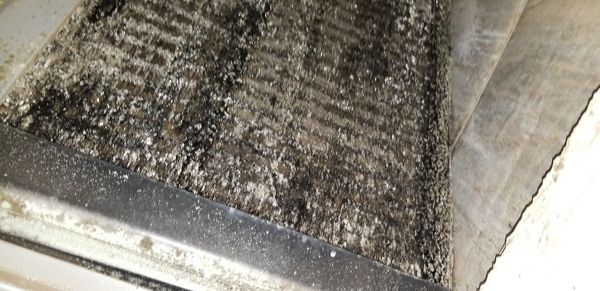
Hurricanes in Titusville pose serious threats to coastal homes, not only through visible structural damage but also by compromising indoor air quality. One of the most overlooked consequences of hurricane events is contamination and damage within HVAC air ducts. Flooding, wind-driven debris, and elevated humidity levels can introduce dust, mold spores, and other pollutants into duct systems, reducing efficiency and creating health hazards.
Professional air duct cleaning after hurricanes is crucial to restore safe airflow, prevent mold growth, and ensure HVAC systems operate efficiently. This guide provides Titusville homeowners with a comprehensive overview of air duct cleaning, early warning signs of contamination, professional cleaning processes, costs, and preventive strategies.
Why Air Duct Cleaning Matters After Hurricanes
Hurricanes bring heavy rain, high winds, and sometimes flooding, which can negatively impact HVAC systems:
- Contaminant Infiltration: Dust, pollen, debris, and mold spores can enter ductwork through damaged vents, openings, or HVAC units.
- Excess Moisture: Elevated humidity and condensation promote mold growth inside ducts.
- System Inefficiency: Clogged or contaminated ducts reduce airflow, forcing the HVAC system to work harder and increasing energy costs.
- Health Risks: Airborne pollutants circulating through ductwork can trigger allergies, asthma, and respiratory issues.
- Property Value Impact: A compromised HVAC system or visible mold odors can decrease home value.
Regular post-hurricane duct cleaning ensures indoor air quality, HVAC performance, and long-term property protection.
Common Causes of Air Duct Contamination After Hurricanes
Several factors contribute to duct contamination in coastal homes:
1. Flooding and Water Intrusion
Even minor flooding can leave residual moisture in ductwork, which promotes mold growth.
2. Debris from Wind Damage
Leaves, sand, dirt, and other debris blown into vents or HVAC intakes accumulate inside ducts.
3. High Humidity and Condensation
Post-storm humidity levels increase condensation inside ducts, fostering microbial growth.
4. Compromised HVAC Units
Roof leaks or damaged external components may allow water and contaminants into the system.
5. Delayed Maintenance
Homes without routine duct cleaning are more susceptible to post-storm contamination and system inefficiency.
Early Warning Signs You Should Not Ignore
Homeowners should monitor their property for these early indicators of air duct problems:
- Musty or Moldy Odors: Persistent odors indicate potential mold growth inside ducts.
- Visible Debris Around Vents: Dust, dirt, or small debris suggests duct contamination.
- Increased Allergy Symptoms: Sneezing, coughing, or respiratory irritation after storms may signal poor air quality.
- Uneven Heating or Cooling: Certain rooms may feel warmer or cooler due to blocked or clogged ducts.
- Excessive Dust Accumulation: Faster-than-usual dust buildup can indicate HVAC contamination.
- Higher Energy Bills: Reduced efficiency from airflow obstruction increases energy consumption.
Prompt attention to these signs can prevent more extensive damage and costly repairs.
Professional Air Duct Cleaning Process
Certified HVAC cleaning professionals typically follow a thorough procedure:
Step 1: Initial Inspection
Technicians assess the HVAC system, vents, and ductwork for visible damage, debris, and signs of mold growth.
Step 2: Airflow and Contaminant Assessment
Tools such as cameras and air quality meters may be used to identify hidden contamination and airflow blockages.
Step 3: Debris Removal
High-powered vacuums, brushes, and air whips remove dust, dirt, and debris from duct interiors.
Step 4: Sanitization
Antimicrobial solutions are applied to ducts and internal HVAC components to prevent mold growth, especially in humid post-hurricane conditions.
Step 5: Component Cleaning
Air handlers, coils, blowers, and filters are cleaned to restore full system efficiency.
Step 6: Verification
Technicians test airflow and inspect ducts to ensure cleaning was successful and the system is safe for use.
Benefits of Professional Air Duct Cleaning
- Improved Indoor Air Quality: Removes allergens, dust, and microbial contaminants from duct systems.
- Health Protection: Reduces risk of respiratory irritation and allergic reactions.
- Energy Efficiency: Clean ducts allow HVAC systems to operate effectively, lowering energy bills.
- Extended Equipment Life: Reduces wear on fans, motors, and coils caused by debris buildup.
- Peace of Mind: Confirms safe and efficient airflow throughout the home.
Costs of Air Duct Cleaning in Titusville
Pricing depends on home size, system complexity, and extent of contamination:
- Small homes (1–2 bedrooms): $250–$500
- Medium homes (3 bedrooms): $500–$900
- Large or multi-story homes: $900–$1,500+
Although cleaning incurs upfront costs, it prevents expensive HVAC repairs, health risks, and reduced indoor comfort.
Post-Cleaning Recommendations
After duct cleaning, homeowners should take additional measures:
- Replace Filters: Install fresh, high-quality HVAC filters to maintain air quality.
- Monitor Humidity Levels: Use dehumidifiers to keep indoor humidity below 60%.
- Routine Maintenance: Schedule regular inspections and cleaning every 2–3 years, or sooner after storms.
- Inspect for Roof or Vent Damage: Ensure no further water or debris can enter the HVAC system.
- Prompt Repairs: Address leaks or damaged ducts immediately to prevent contamination recurrence.
Preventive Measures for Coastal Homeowners
- Install Vent Covers: Protect HVAC intakes from wind-blown debris.
- Seal Ductwork: Proper sealing prevents moisture and contaminants from entering.
- Regular Filter Replacement: Replace filters according to manufacturer recommendations.
- Maintain HVAC Units: Ensure condensate lines and coils are clean and functioning properly.
- Storm Preparation: Temporarily cover vents or protect outdoor HVAC units during hurricanes.
- Monitor Indoor Air Quality: Air quality monitors can detect elevated particulate matter or humidity levels.
Real-World Example
A Titusville homeowner experienced a Category 2 hurricane that caused roof leaks and minor flooding in the attic. Post-storm, the homeowner noticed:
- Musty odors coming from supply vents
- Reduced airflow in several rooms
- Rapid dust accumulation around vent covers
Professional duct cleaning revealed:
- Mold growth in sections of the duct system exposed to attic moisture
- Debris from outdoor air infiltration
The cleaning process included:
- Full debris removal using high-powered vacuums and brushes
- Antimicrobial treatment of ducts and HVAC components
- Replacement of damaged filters and inspection of the system for future prevention
Following the cleaning, indoor air quality improved, airflow normalized, and the homeowner reduced risk of health hazards and HVAC inefficiency.
Choosing a Professional Duct Cleaning Service
Homeowners should select providers who:
- Hold proper licensing, certifications, and insurance
- Have experience with hurricane-related duct contamination
- Use advanced tools such as cameras, thermal imaging, and antimicrobial treatments
- Provide detailed reports and verification after cleaning
- Have positive local references and reviews
Avoid companies offering low-cost, superficial cleanings without inspection or proper documentation.
Final Thoughts
Hurricanes in Titusville present unique challenges for coastal homes, particularly regarding HVAC duct contamination. Professional air duct cleaning offers:
- Early detection and removal of debris and mold
- Restoration of HVAC efficiency and indoor air quality
- Prevention of health risks and property damage
- Peace of mind and enhanced property value
By recognizing early warning signs, acting promptly after storms, and implementing preventive strategies, homeowners can maintain safe, healthy, and efficient HVAC systems in the challenging coastal environment of Titusville.