
Titusville AC Mold Cleaning in Older Homes: What Homeowners Should Know
Older homes in Titusville have character, established neighborhoods, and mature landscaping. Many were built decades ago, long before today’s insulation standards, ventilation requirements, and high-efficiency HVAC systems became common. While these homes remain structurally sound, their original air conditioning setups can create hidden moisture issues — especially in Florida’s humid climate.
When AC condensation isn’t draining properly, mold can begin forming inside air handlers, duct systems, and surrounding framing. In older Titusville homes, aging components and outdated airflow design increase that risk.
If you own an older property in Titusville, understanding how AC mold develops — and how proper cleaning and prevention work — is essential.
Why Older Homes in Titusville Are More Vulnerable
Titusville experiences long cooling seasons and steady humidity due to its proximity to the Indian River Lagoon. In older homes, several factors increase condensation risk:
Original galvanized drain pans
Aging condensate drain lines
Minimal attic ventilation
Outdated duct insulation
Garage-installed air handlers
Restricted return airflow
Many older homes were not designed for the continuous AC use common today. As systems age, minor drainage issues can lead to persistent moisture buildup.
Homes in nearby Mims and Port St. John experience similar humidity conditions, but Titusville’s mix of mid-century and older slab-foundation homes makes AC placement and airflow especially important.
How AC Condensation Leads to Mold
Air conditioning removes moisture from indoor air by condensing it on cold evaporator coils. That water should flow into a drain pan and exit through a condensate line.
Mold can develop when:
Drain lines clog
Drain pans rust through
Airflow becomes restricted
Duct insulation traps condensation
Attic temperatures increase dramatically
In older systems, corrosion inside drain pans is common. Small cracks can allow water to leak into surrounding framing.
Over time, consistent dampness creates conditions where mold can grow inside mechanical compartments or adjacent walls.
Early Warning Signs Homeowners Should Watch For
AC mold often begins quietly.
Watch for:
Musty odor when AC starts
Water pooling near the air handler
Rust flakes inside the drain pan
Dark staining near vents
Persistent indoor humidity above 60 percent
Reduced airflow in certain rooms
If odor becomes stronger when the system cycles on, contamination inside the air handler or ducts may be present.
These signs should not be ignored.
Why Visual Cleaning Is Not Enough
Older AC systems often hide moisture inside internal components.
Wiping visible mold from the exterior cabinet does not address:
Contaminated evaporator coils
Moist drain pans
Clogged drain lines
Damp insulation around ducts
Professional inspection determines whether mold is localized or more widespread.
Surface cleaning alone rarely resolves condensation-related mold problems.
Palm Bay Mold Removal frequently begins Titusville projects with a detailed inspection of drain systems and airflow patterns before recommending cleaning.
Step 1: Confirm Drainage and Airflow Corrections
Before mold cleaning begins, the moisture source must be corrected.
This may include:
Flushing and clearing condensate lines
Replacing rusted drain pans
Improving return airflow
Sealing duct leaks
Upgrading insulation
Without addressing drainage and airflow issues, mold will return.
Inspection ensures the system is functioning properly before cleaning proceeds.
Step 2: Containment and Air Quality Protection
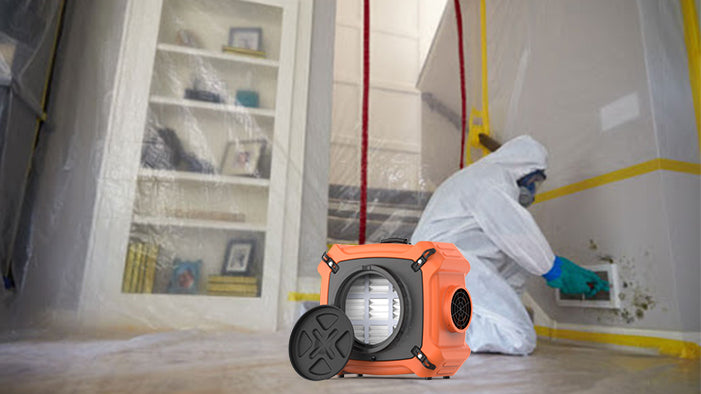
If mold is confirmed inside HVAC components, containment measures protect the rest of the home.
Plastic barriers may isolate affected areas.
Negative air machines and HEPA filtration systems operate during cleaning.
This is especially important in older homes where duct systems may share airflow pathways.
Step 3: Professional AC Mold Cleaning Process
Proper cleaning includes:
Cleaning evaporator coils
Disinfecting drain pans
Flushing condensate lines
Removing contaminated insulation
Cleaning accessible duct sections
Replacing air filters
The goal is restoring proper drainage and eliminating contamination at its source.
Surface treatment alone is insufficient.
Step 4: Structural Drying and Humidity Stabilization
After cleaning, humidity control is essential.
Commercial dehumidifiers may be used to stabilize indoor moisture levels.
Humidity should remain below 60 percent.
In Titusville’s humid climate, ongoing monitoring is recommended.
Moisture readings confirm the system and surrounding materials are dry.
Attic Ventilation in Older Homes
Many older Titusville homes lack modern attic ventilation.
Without adequate airflow, attic heat increases condensation on cool duct surfaces.
Signs of ventilation issues include:
Excessively hot attic temperatures
Damp duct insulation
Condensation on roof decking
Uneven cooling indoors
Improving soffit or ridge ventilation reduces moisture stress on HVAC components.
Routine attic inspection supports long-term prevention.
When Component Replacement Is Necessary
In some older systems, cleaning alone is not sufficient.
Replacement may be required if:
Drain pans are heavily corroded
Blower motors show water damage
Duct insulation is permanently saturated
Metal components are deteriorated
Professional evaluation determines whether repair or replacement is more cost-effective.
Attempting to preserve heavily damaged components often leads to repeat issues.
Preventing Future AC Mold Problems
Preventative maintenance reduces risk significantly.
Flush condensate drain lines regularly.
Replace filters every 1–3 months.
Schedule annual HVAC inspections.
Monitor indoor humidity with a hygrometer.
Inspect attic duct insulation annually.
Address minor musty odors promptly.
Installing a float switch in the drain pan can provide early warning of overflow.
Routine servicing prevents drainage blockages and airflow restrictions.
Why Local Experience Matters
Older homes in Titusville vary widely in construction style. Some have garage-mounted air handlers; others rely on attic installations with original duct systems.
Florida’s humidity creates moisture patterns different from inland regions.
Professionals familiar with Brevard County housing styles understand common vulnerabilities in older Titusville properties.
Palm Bay Mold Removal has worked extensively throughout Titusville and surrounding communities, addressing AC mold concerns tied directly to aging HVAC systems and Florida’s humid climate.
Protecting Your Older Home
AC mold cleaning in older Titusville homes requires more than surface treatment. It demands accurate drainage correction, airflow improvement, and humidity stabilization.
Ignoring early warning signs such as musty odors or water pooling can lead to larger structural repairs.
By combining professional inspection, targeted cleaning, preventative maintenance, and improved ventilation, homeowners can protect their properties long-term.
In Florida’s humid climate, proactive HVAC maintenance is one of the most effective ways to prevent condensation-related mold issues in older homes.