
Step‑by‑Step Process Explained: Air Duct Cleaning in Merritt Island after Storm Damage
Merritt Island, Florida, is a coastal community that frequently experiences storms, hurricanes, and heavy rainfall. While storms can cause visible damage like roof leaks and flooding, one of the less obvious yet critical areas affected is the home’s air duct system. Water, debris, and mold can infiltrate ducts, compromising indoor air quality, HVAC efficiency, and health.
Professional air duct cleaning after storm damage is essential for homeowners to remove contaminants, restore proper airflow, and prevent long-term issues. This guide provides a step-by-step process for air duct cleaning, practical tips, and insights for Merritt Island residents dealing with storm-related damage.
Why Air Duct Cleaning is Critical After Storm Damage
Storms can introduce water, dirt, mold spores, and debris into HVAC systems. Without cleaning, these contaminants circulate throughout the home, causing several problems:
- Health Risks – Mold spores, bacteria, and allergens can exacerbate asthma, allergies, and other respiratory conditions.
- Reduced HVAC Efficiency – Clogged ducts and debris restrict airflow, increasing energy usage and reducing system lifespan.
- Unpleasant Odors – Stale water, mold, and debris trapped in ducts can produce musty or chemical odors.
- Structural Damage – Moisture in ductwork can lead to corrosion, rust, and deterioration of metal or fiberglass components.
- Hidden Contamination – Even if the home looks dry after a storm, ducts can harbor unseen contaminants that affect indoor air quality.
Proper duct cleaning after a storm is therefore both a preventive and restorative measure.
Step‑by-Step Process of Air Duct Cleaning
Professional duct cleaning involves a systematic approach to ensure all components of the HVAC system are thoroughly cleaned and sanitized.
Step 1: Initial Assessment
- Inspect the HVAC system for water intrusion, mold growth, and debris accumulation.
- Identify areas most affected by the storm, such as attic ducts, crawl space ducts, or basement ductwork.
- Check the condition of registers, grills, and insulation inside ductwork.
Step 2: System Shut Down and Safety Precautions
- Turn off the HVAC system to prevent circulation of contaminants during cleaning.
- Ensure safety by wearing protective gear, especially if mold is detected.
- Seal off areas to prevent dust and spores from spreading into living spaces.
Step 3: Source Removal of Water and Debris
- Remove standing water from accessible ducts using wet/dry vacuums or pumps.
- Extract debris such as leaves, dust, and dirt that entered through vents or outdoor intakes.
- Inspect fan coils, evaporator coils, and furnace components for moisture or mold.
Step 4: Mechanical Cleaning of Ducts
- Use high-powered brushes and rotary tools to dislodge dust and debris from duct walls.
- Apply compressed air or negative pressure systems to safely extract loosened contaminants.
- Pay special attention to corners, junctions, and elbows in ductwork where debris accumulates.
Step 5: Disinfection and Mold Treatment
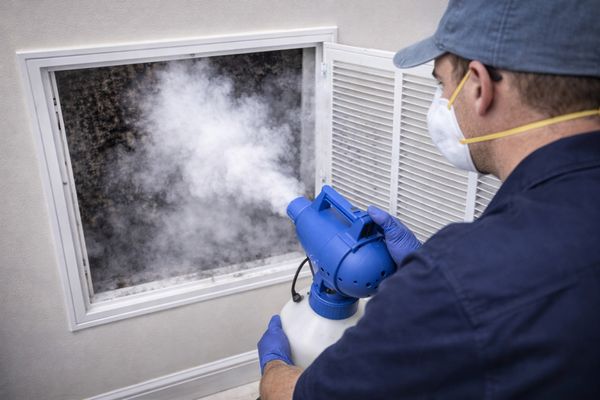
- Treat ducts with EPA-approved antimicrobial or antifungal agents to kill mold spores and bacteria.
- Apply sealants or coatings if necessary to prevent future microbial growth in metal or fiberglass ducts.
Step 6: Cleaning Associated HVAC Components
- Clean and sanitize air handler units, blower fans, and evaporator coils.
- Replace air filters with high-efficiency models to ensure optimal filtration post-cleaning.
- Inspect for any damaged components that need repair or replacement.
Step 7: System Testing and Verification
- Turn the HVAC system back on and test airflow at each vent to ensure proper distribution and performance.
- Measure indoor air quality to confirm contaminants have been removed.
- Verify that humidity levels are controlled to prevent future mold growth.
Step 8: Final Inspection and Documentation
- Provide homeowners with a detailed report of cleaning procedures, findings, and any repairs performed.
- Recommend a maintenance schedule to keep ducts clean and prevent future storm-related contamination.
Common Causes of Air Duct Contamination After Storms
- Roof Leaks or Ceiling Damage – Water entering the attic can drip into ducts, especially those running through ceilings.
- Flooded Crawl Spaces or Basements – Ducts located in low-lying areas may come into contact with water and debris.
- Outdoor Debris – High winds can blow leaves, dirt, and sand into outdoor HVAC intakes.
- Mold Growth – High humidity and moisture from storms create ideal conditions for mold inside ducts.
- HVAC Malfunction – Storms can damage blower fans or cause condensation problems, exacerbating duct contamination.
Real Cases in Merritt Island
Case 1: Attic Duct Mold After Roof Leak
- Scenario: A severe storm caused roof damage, resulting in water dripping into attic ducts.
- Findings: Mold growth observed on insulation inside ducts and around registers.
- Solution: Emergency water extraction, mechanical cleaning, and antifungal treatment of ducts.
- Outcome: Indoor air quality restored, mold eliminated, and attic vents protected from future leaks.
Case 2: Debris Contamination from Flooded Crawl Space
- Scenario: Heavy rainfall flooded the crawl space where HVAC ducts were located.
- Findings: Sediment and dirt accumulated inside ductwork, obstructing airflow.
- Solution: Duct cleaning, debris removal, and disinfection of affected components.
- Outcome: HVAC system performance improved, air quality restored, and homeowner satisfaction ensured.
Case 3: Musty Odor in Living Spaces
- Scenario: Post-storm, occupants noticed persistent musty odors despite a dry home.
- Findings: Mold spores and moisture trapped inside ductwork caused the odor.
- Solution: Comprehensive duct cleaning, blower coil cleaning, and antimicrobial treatment.
- Outcome: Odors eliminated, respiratory irritants removed, and ducts fully restored.
Costs of Air Duct Cleaning After Storm Damage
The cost of professional air duct cleaning depends on system size, contamination level, and complexity:
- Standard residential duct cleaning: $400–$800
- Post-storm duct cleaning with mold remediation: $800–$2,500
- HVAC component cleaning (coils, blowers): $200–$600 additional
- Full system inspection and testing: $150–$300
Insurance may cover some costs if the damage is storm-related, making documentation from professionals critical.
Preventive Measures for Merritt Island Homeowners
- Regular HVAC Inspections – Ensure ducts, filters, and units are checked before and after storm season.
- Seal Ductwork – Properly sealed ducts reduce the risk of water intrusion.
- Install High-Efficiency Air Filters – HEPA filters reduce dust, pollen, and spores entering the system.
- Maintain Roof and Gutters – Prevent leaks and debris from entering ductwork.
- Control Indoor Humidity – Use dehumidifiers and ensure proper attic ventilation.
- Schedule Professional Cleaning – At least every 2–3 years, or immediately after a storm.
Common Mistakes Homeowners Make
- Ignoring musty odors or signs of mold in ducts
- Attempting DIY cleaning without proper tools or knowledge
- Failing to repair leaks before cleaning ducts
- Skipping professional inspection of duct components
- Not replacing filters after cleaning, allowing contaminants to return
Professional Insights
- Time Is Critical: Addressing storm-related contamination quickly prevents mold growth and further damage.
- Hidden Contaminants Are Common: Even if ducts appear clean, mold spores and debris can accumulate inside.
- Integrated Solutions Work Best: Combining water removal, duct cleaning, mold remediation, and system inspection ensures long-term protection.
- Documentation Matters: Detailed cleaning reports are valuable for insurance claims and future property maintenance.
Conclusion
Air duct contamination is a common but often overlooked consequence of storm damage in Merritt Island homes. Water intrusion, debris, and mold can compromise indoor air quality, HVAC efficiency, and health.
Professional air duct cleaning after storm damage involves a step-by-step process that includes assessment, water extraction, mechanical cleaning, disinfection, system restoration, and verification. Real cases in Merritt Island demonstrate the importance of rapid response, professional intervention, and preventive strategies to maintain safe and healthy living conditions.
By recognizing the signs of contamination, acting promptly, and engaging certified professionals, homeowners can protect their HVAC systems, improve indoor air quality, and reduce the long-term impact of storms on their properties.