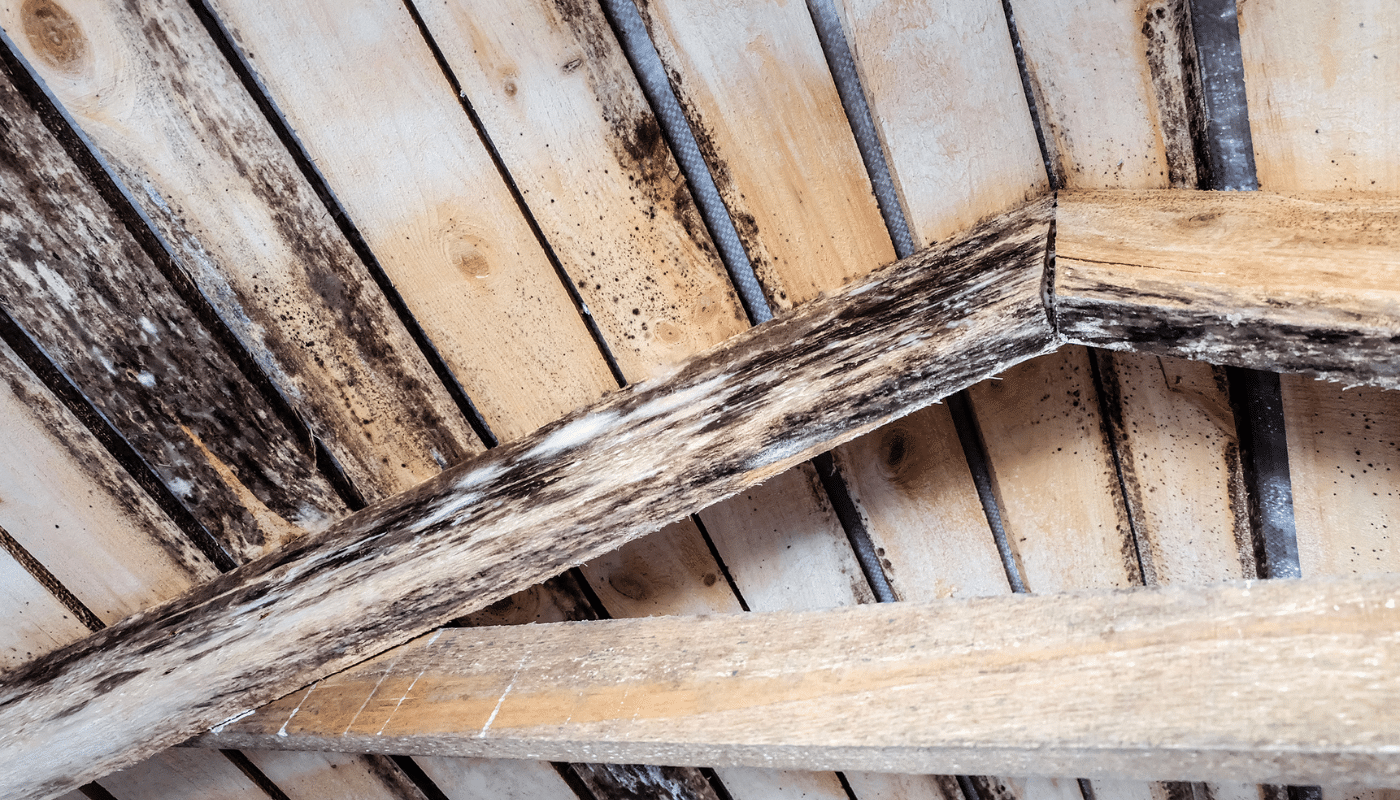
Step-by-Step Process Explained: Mold Remediation in Satellite Beach in Rental Properties
Rental properties in Satellite Beach deal with a perfect storm: coastal humidity, year-round AC use, and tenants who may not notice (or report) small moisture problems until they’ve turned into bigger ones. If you own or manage rentals here—whether it’s a beachside duplex, a small apartment building, or a condo—mold remediation isn’t something you want to “see how it goes.” You want a clear, repeatable process that fixes the problem and reduces the chance it comes right back.
This guide breaks down how professional mold remediation typically works in Satellite Beach rentals—step by step—so you know what to expect, what to document, and what to prevent next time.
What the Mold or Moisture Issue Is
Mold is a moisture problem first and a “growth on surfaces” problem second. Spores are already around—inside and outside. They become an issue when they land on a surface that stays damp long enough to support growth. In rentals, the moisture source is often simple (a leak, condensation, poor ventilation), but the mold can spread into places you don’t see: behind drywall, under flooring, inside HVAC components, or in attic insulation.
In Satellite Beach, the most common drivers are:
- Humidity that stays high for long stretches
- AC condensation and drain issues
- Wind-driven rain sneaking in around windows/doors
- Small plumbing leaks that quietly soak cabinets or walls
Why This Happens So Often in Satellite Beach
Coastal homes are moisture magnets. Warm ocean air holds lots of moisture, and when that air meets cooler indoor surfaces—especially around AC vents, ductwork, and air handlers—you get condensation. Add summer rain, salty air that can wear down metal components, and older building envelopes in some neighborhoods, and moisture becomes a constant background challenge.
Satellite Beach rentals also see more “lifestyle moisture” than owners realize:
- Frequent showers + weak bath fans
- Cooking steam without a running hood vent
- Tenants who turn AC off when they leave (humidity rises fast)
- Closets packed tight against exterior walls (no airflow)
Nearby areas like Cocoa Beach, Melbourne, and Merritt Island get similar issues, but coastal properties often show faster mold development because the humidity baseline is higher.
Common Signs Homeowners and Tenants Notice
In rentals, the first reports are usually about comfort, not mold:
- “It smells musty when the AC turns on.”
- “The bedroom feels damp.”
- “There’s a weird odor in the closet.”
- “The vent area looks stained.”
- “Paint is bubbling near the bathroom.”
Property managers often spot:
- Dark spotting around supply vents
- Soft baseboards or swollen trim
- Repeated HVAC drain clogs
- Water stains on ceilings after heavy rain
Hidden or Overlooked Sources in Rentals
This is where rentals get tricky—mold often grows where nobody looks:
- Behind bathroom vanity backsplashes (slow leaks)
- Under vinyl plank flooring (moisture trapped underneath)
- Inside air handler cabinets (condensation + dust)
- Around HVAC boots and attic duct connections (sweating ducts)
- Closets on exterior walls (low airflow, temperature swings)
- Laundry areas (dryer vent issues + humidity)
If you only clean what you see, you’ll usually see it again.
Why DIY Mold Removal Usually Fails
DIY attempts in rentals tend to fail for three reasons:
- They treat the symptom, not the moisture source.
If humidity stays high or a leak continues, mold returns. - They don’t reach porous materials.
Drywall paper, insulation, and some flooring materials hold mold roots beneath the surface. - They spread spores.
Scrubbing without containment can push spores into nearby rooms—especially with the AC running.
In rentals, DIY also creates a documentation problem. If you ever need to show what was done, “I sprayed it and wiped it” is not a strong record.
Professional Mold Inspection and Testing Explained
A proper remediation starts with confirming where moisture is and how far contamination likely extends.
A professional inspection typically includes:
- Moisture readings in walls/ceilings/floors
- Visual checks in attics, HVAC closets, behind access panels
- Looking for condensation patterns around supply vents and ductwork
- Checking bathroom exhaust performance and venting routes
- Evaluating HVAC drain lines, pans, and coil compartments
Testing isn’t always required, but it’s often useful in rentals when:
- Tenants report recurring odors with no visible growth
- Multiple units show similar symptoms
- You need baseline documentation before and after work
Proper Mold Removal and Remediation Process
Here’s the step-by-step flow that works well for Satellite Beach rental properties:
Step 1: Stop the Moisture
No remediation succeeds if moisture continues. This can include:
- Fixing plumbing leaks (supply lines, traps, fridge lines, water heaters)
- Clearing/repairing AC condensate drains and pans
- Sealing duct leaks pulling humid attic air into the system
- Improving ventilation in bathrooms/laundry areas
- Addressing window/door intrusion points after storms
Step 2: Protect the Property and Limit Spread
Pros set up containment so spores don’t travel:
- Isolating the work area with plastic barriers
- Using negative air (when needed) to control airflow direction
- Turning off HVAC in affected zones if it risks distributing particles
Step 3: Remove Unsalvageable Materials
In many cases, the correct move is controlled removal:
- Cutting out contaminated drywall sections
- Removing wet insulation
- Pulling contaminated carpet padding or damaged baseboards
- Removing swollen particleboard cabinet bottoms
This is where rentals benefit from an experienced approach—remove what must go, preserve what can be restored.
Step 4: Detailed Cleaning of Remaining Surfaces
Professionals clean structural wood, studs, concrete, and other surfaces with methods appropriate to the material:
- Physical removal of growth (the “elbow grease” part)
- HEPA vacuuming
- Damp wiping with appropriate antimicrobial products
Step 5: Drying and Dehumidification
This is non-negotiable in coastal Florida:
- Air movers positioned for real airflow (not just noise)
- Dehumidifiers sized for the space
- Moisture monitoring until materials hit safe targets
Step 6: HVAC and Duct Considerations
If mold is tied to AC condensation, remediation may include:
- Cleaning the air handler interior
- Addressing coil compartment buildup
- Inspecting duct insulation for dampness
- Duct cleaning when contamination or heavy debris is present
Step 7: Clearance and Documentation
For rentals, documentation matters:
- Photos before/during/after
- Moisture readings at completion
- Notes on repairs made (leaks, ventilation, HVAC drainage)
- Any testing results if performed
A local team like Palm Bay Mold Removal will usually emphasize this “proof of dry” approach because it reduces repeat calls and tenant complaints.
Flood Restoration and Water Damage Repair
Satellite Beach rentals occasionally deal with storm-related water intrusion, especially during heavy rainy periods. When water damage is part of the picture, restoration steps blend into remediation:
- Water extraction (if needed)
- Structural drying (walls, floors, cabinets)
- Moisture mapping to find hidden wet zones
- Replacement of affected building materials
- Cleaning/sanitizing surfaces exposed to dirty water
Even a “small” storm leak can soak insulation and keep humidity elevated for weeks if it isn’t dried correctly.
Air Ducts, AC Systems, and Mold
Coastal rentals run AC hard. That’s normal. But the system must be set up and maintained to manage moisture:
- Clogged drains and dirty drain pans create recurring dampness
- Poor airflow can increase coil sweating and condensation issues
- Leaky returns can pull humid attic air into the system
- Duct insulation problems can cause sweating along duct runs
If you fix the visible mold but ignore the HVAC moisture pattern, the same unit can relist with the same odor complaints.
How to Prevent Mold in Satellite Beach Rentals
Prevention is mostly moisture control plus consistency:
- Keep indoor humidity in check (aim under ~60%)
- Require tenants to run bathroom exhaust during and after showers
- Make sure fans vent outdoors (not into attics)
- Schedule HVAC drain line checks and maintenance
- Use quality filters and change them on schedule
- Inspect under sinks and behind toilets during routine visits
- Watch closets on exterior walls—add airflow space and avoid overpacking
- After storms, do quick checks for window/door intrusion and ceiling stains
Why Local Experience Matters
Mold and moisture behave differently in coastal Florida than inland. Satellite Beach rentals often have recurring patterns—AC condensation hotspots, attic humidity issues, and storm-driven intrusion points. Local experience helps technicians recognize these patterns faster, choose the right containment level, and recommend fixes that actually stick.
Palm Bay Mold Removal and other Brevard County specialists who routinely work in Satellite Beach, Melbourne, Cocoa Beach, Merritt Island, and Viera tend to focus on the same core truth: dry the structure, fix the source, then clean.
Calm, Trust-Based Call to Action
If you manage rentals in Satellite Beach and you’re seeing musty odors, repeat humidity complaints, staining near vents, or moisture damage around bathrooms and kitchens, treat it as a moisture investigation—not just a cleaning job. A clear inspection followed by a step-by-step remediation plan protects your building, reduces repeat issues, and keeps turnover smoother.