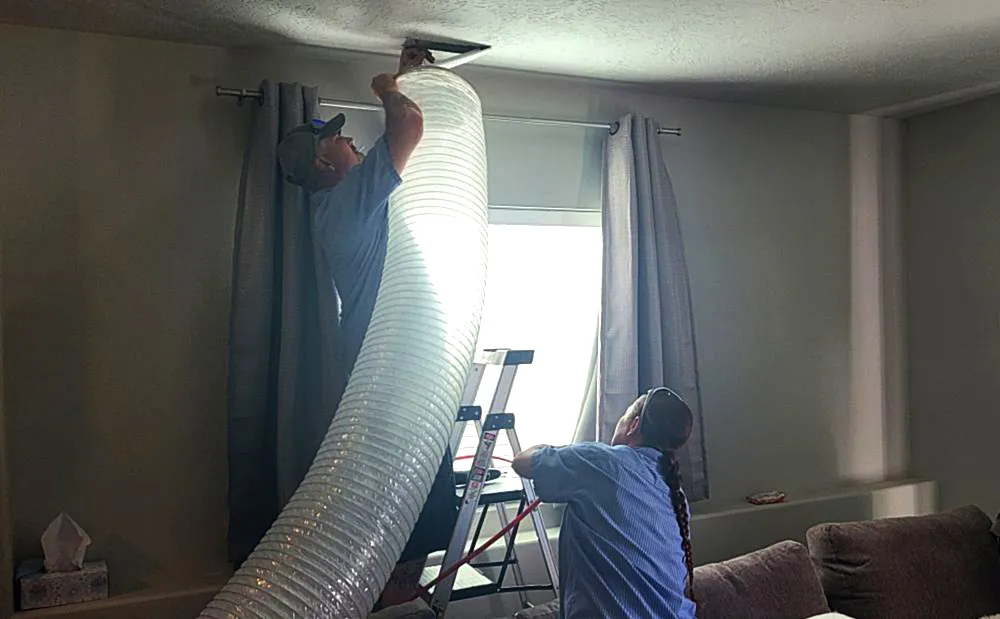
Step-by-Step Process Explained: Duct Cleaning in Merritt Island in Rental Properties
Rental properties in Merritt Island get worked hard. Tenants come and go, AC systems run nearly nonstop, and Florida humidity does what it does best—sneaks into places it shouldn’t. Over time, air ducts can collect dust, moisture film, construction debris from past repairs, and the kind of buildup that makes a unit feel “stuffy” no matter how low the thermostat is set.
Duct cleaning isn’t something a landlord should do on a random schedule just because it sounds nice. It’s most helpful when there’s a clear reason—post-renovation dust, lingering musty odors, visible buildup at vents, or moisture issues that have been corrected and need a fresh reset. Below is a practical, step-by-step guide to how duct cleaning should be handled in Merritt Island rental homes, and what property owners should know to avoid wasted money and repeat problems.
What duct cleaning is (and what it isn’t)
Duct cleaning is the process of removing accumulated debris from the HVAC air distribution system—typically supply ducts, return ducts, registers, grilles, and often the air handler components that push air through the system.
It’s not a “magic fix” for every odor or humidity complaint. If a rental has a clogged condensate line, a wet return plenum, duct leaks pulling humid attic air, or a dirty evaporator coil, cleaning ducts alone won’t solve the root cause. Done correctly, duct cleaning is a supporting step that improves cleanliness and airflow once moisture and mechanical issues are under control.
Why this comes up so often in Merritt Island rentals
Merritt Island rentals—especially those near the water or in areas with consistently high humidity—tend to see the same patterns:
- Long AC run times that create constant condensation risk
- Moisture intrusion after storms or roof/soffit issues
- Tenant turnover (filters forgotten, vents blocked by furniture, doors/windows left open)
- Older duct systems with loose connections or aging insulation
- Renovations between tenants that leave drywall dust and debris in returns
If you manage rentals in nearby Cocoa Beach, Rockledge, Satellite Beach, or Melbourne, it’s the same story: coastal humidity plus HVAC equals ductwork that needs attention sooner than most people expect.
Common signs a rental might actually benefit from duct cleaning
Here are the signs that typically justify a professional duct cleaning (instead of guessing):
- Visible dust buildup blowing from vents shortly after cleaning the home
- Musty odor that’s strongest when the AC starts or cycles
- Dark buildup around supply registers or return grilles
- Post-renovation dust that keeps returning (paint/drywall/flooring work)
- Evidence of moisture history in HVAC areas (staining near vents, damp smell in returns)
- Tenants reporting airflow feels weak in certain rooms (after mechanical issues are ruled out)
If the unit has active water leaks, recurring condensation, or high indoor humidity, fix those first. Cleaning ducts while the system is still getting wet is like washing a car while it’s still parked under a dripping pipe.
Step 1: Pre-inspection and documentation (especially important for rentals)
For rental properties, inspection and documentation matter because they reduce disputes and help you plan maintenance across multiple units.
A proper pre-check includes:
- Quick walkthrough of the home and vent locations
- Condition of return(s) and supply registers
- Filter size/type and current condition
- Any odors, staining, or visible debris at vents
- Notes about recent repairs (roof leak, plumbing leak, AC drain overflow, remodel)
This step also clarifies whether the issue is likely duct debris, HVAC component contamination, or moisture conditions.
Step 2: Confirm moisture is under control before cleaning
In Merritt Island, moisture is the main reason duct systems get funky. Before cleaning, check for:
- Clear, flowing condensate drain line (no backups)
- Intact drain pan (no rust-through, no standing water)
- No active roof or plumbing leaks affecting ceilings/walls near vents
- No obvious duct sweating in attic spaces
- Indoor humidity not consistently “sticky” or high
If moisture problems exist, address them first. Otherwise, the ducts can re-contaminate quickly.
Step 3: System setup and containment (protect the property)
In rentals, the biggest fear is a mess—dust blown into a freshly cleaned unit right before a move-in. Proper setup prevents that.
A professional crew should:
- Protect floors near the air handler and main returns
- Cover or manage registers strategically during cleaning
- Use containment at access points so debris doesn’t escape
- Keep negative pressure in the duct system during agitation
If you’re a landlord, this is where you separate real duct cleaning from “shop-vac at the vent” work.
Step 4: Create proper access points (without damaging the system)
Most duct systems can’t be cleaned thoroughly through registers alone. The right approach involves:
- Accessing the trunk lines and main runs
- Using existing service openings where possible
- Creating clean, sealed access panels only when needed
- Resealing access points properly after cleaning
In rental properties, poorly sealed access points can become air leaks later, pulling attic humidity into the system. That’s a common reason “musty AC smell” comes back.
Step 5: Negative-air vacuum and debris capture (the core of real duct cleaning)
This is the backbone of the process:
- A high-powered vacuum system is attached to the ductwork
- The system is kept under negative pressure
- Debris loosened inside the ducts is pulled toward the vacuum, not into the home
Without strong negative pressure, agitation just redistributes dust. In a rental, that shows up as “Why is dust back two days after turnover cleaning?”
Step 6: Agitation and brushing of ducts (targeted, not reckless)
Once the vacuum is running, technicians use appropriate tools to dislodge buildup:
- Soft brushes for flexible duct
- Controlled air whips or agitation tools for metal duct
- Care around turns, boots, and transitions
Rental properties often have mixed duct types due to patchwork repairs over the years. The cleaning method should match the duct material—aggressive tools on flex duct can cause damage and create new leaks.
Step 7: Clean registers, grilles, and returns (the “visible proof” step)
Tenants notice vents. Even if the ducts are cleaned, dirty registers make the place look neglected.
This step typically includes:
- Removing and cleaning supply registers
- Cleaning return grilles and return cavities (when accessible)
- Checking for heavy buildup that suggests filter neglect or return-side issues
If returns are pulling dust from wall cavities or attic spaces due to leaks, that’s a repair issue—not a cleaning issue.
Step 8: Inspect the air handler components that affect odor and airflow
For many Merritt Island rentals, the odor source isn’t deep in ducts—it’s at the air handler.
A proper inspection should at least evaluate:
- Blower compartment condition
- Drain pan and drain line
- Evaporator coil cleanliness (often a major odor source)
- Signs of past overflow or microbial staining
If the coil is dirty and staying damp, duct cleaning alone won’t keep things fresh.
Step 9: Post-clean verification and airflow check
After cleaning, a good provider verifies results:
- Visual confirmation at key access points
- Debris removal confirmation (not just “we ran the machine”)
- Basic airflow/return check
- Filter replacement and correct fit
For rentals, it’s smart to record what was done and when, so you can standardize maintenance across units.
Palm Bay Mold Removal often sees duct cleaning performed at the wrong time—before moisture issues are fixed—or done too lightly to make a difference. The right sequence (fix moisture → clean properly → maintain filters) is what keeps rentals stable between tenants.
How to prevent duct problems from coming back in rentals
If you want fewer complaints and fewer emergency calls, these steps help:
- Use quality filters and set a replacement schedule (and enforce it at turnover)
- Keep condensate lines maintained (clogs are extremely common)
- Seal duct leaks and repair damaged insulation in attic runs
- Encourage tenants not to block returns with furniture
- After storms, check attic/ceiling areas near vents for early intrusion signs
In coastal Brevard County, prevention is mostly about controlling moisture and airflow—not chasing symptoms.
Why local experience matters
Duct cleaning in Merritt Island isn’t just “dust management.” Coastal humidity, heavy rain seasons, and AC condensation issues change what matters most: moisture control, sealed returns, and HVAC drainage that actually works. A provider familiar with Merritt Island, Cocoa Beach, Rockledge, Satellite Beach, and nearby areas will know where duct systems typically fail and what to look for before cleaning even begins.
Calm next step
If a rental is showing musty start-up odor, recurring dust, or post-renovation debris, start with a quick HVAC and moisture check, then schedule duct cleaning when the system is dry and stable. That’s the approach that holds up—through tenant turnover, summer humidity, and the next storm season.