Step-by-Step Process Explained: Air Duct Cleaning in Rockledge in Commercial Buildings
Air duct systems play a critical role in commercial buildings. Offices, retail spaces, medical facilities, and warehouses in Rockledge rely on HVAC systems to maintain indoor comfort, regulate humidity, and circulate clean air. Over time, dust, debris, and moisture can accumulate inside ductwork, especially in Florida’s humid climate. When buildup becomes significant, professional air duct cleaning becomes necessary to restore airflow and maintain indoor air quality.
Understanding the step-by-step process of air duct cleaning helps building owners and property managers know what to expect and why proper cleaning is important.
Why Air Duct Cleaning Is Important in Commercial Buildings
Commercial HVAC systems run longer and serve larger spaces than residential systems. This means ducts collect more dust, airborne particles, and moisture over time.
Air duct cleaning helps:
- Improve indoor air quality
- Restore efficient airflow
- Reduce dust accumulation
- Minimize musty odors
- Support HVAC system performance
In areas like Rockledge, where humidity remains high for much of the year, moisture inside ducts can also contribute to mold growth if not addressed.
Why Commercial Buildings in Rockledge Often Need Duct Cleaning
Florida’s coastal climate creates unique challenges for HVAC systems. Warm temperatures and high humidity cause air-conditioning systems to operate frequently, increasing condensation and airflow demands.
Common local factors that contribute to duct contamination include:
- Continuous HVAC operation
- Humid outdoor air entering buildings
- Dust from high foot traffic
- Moisture buildup in duct insulation
- Poor ventilation in certain sections of large buildings
Nearby areas such as Cocoa, Merritt Island, and Palm Bay experience similar conditions, especially during the summer rainy season.
Early Signs Duct Cleaning May Be Needed
Commercial building managers often notice subtle changes before duct problems become serious.
Common warning signs include:
- Dust accumulating quickly on surfaces
- Musty odors when HVAC systems operate
- Uneven temperatures in different rooms
- Weak airflow in certain areas
- Increased humidity indoors
These symptoms often indicate buildup or airflow restrictions inside ductwork.
Step 1: Initial Inspection and System Evaluation
The first step in professional air duct cleaning is a thorough inspection. Technicians evaluate the HVAC system, duct layout, and overall condition of the building’s ventilation system.
During this stage, technicians typically:
- Inspect vents and registers
- Examine duct interiors using cameras or visual tools
- Check for moisture or insulation damage
- Evaluate airflow and system performance
Professionals familiar with local conditions, such as teams working with Palm Bay Mold Removal, often focus on identifying moisture sources that could contribute to contamination.
Step 2: Preparing the Work Area
Before cleaning begins, technicians prepare the building to prevent dust or debris from spreading.
Preparation often includes:
- Covering vents or isolating sections of the system
- Protecting nearby equipment or workspaces
- Ensuring HVAC systems are safely shut down
- Setting up negative air pressure equipment
Proper preparation ensures that cleaning is effective and that indoor areas remain protected.
Step 3: Creating Negative Air Pressure
Negative air pressure is one of the most important steps in duct cleaning. Specialized equipment creates controlled airflow inside the duct system, pulling debris toward collection equipment rather than allowing it to spread.
This process:
- Prevents contamination from entering occupied spaces
- Improves cleaning efficiency
- Helps remove fine particles
Negative air pressure allows technicians to clean ducts thoroughly while maintaining a clean environment.
Step 4: Removing Dust and Debris from Ductwork
Once negative pressure is established, technicians use specialized tools to dislodge dust and debris from the interior surfaces of ducts.
These tools may include:
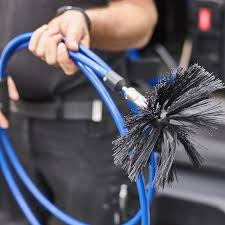
- Rotary brushes
- Air whips
- Vacuum systems designed for HVAC cleaning
The goal is to remove accumulated debris without damaging duct surfaces or insulation.
Step 5: Cleaning Vents, Registers, and Components
Air vents, registers, and grilles also collect dust and contaminants. Cleaning these components is essential for restoring proper airflow and maintaining system hygiene.
During this step, technicians:
- Remove and clean vent covers
- Wipe and sanitize accessible surfaces
- Inspect surrounding ceiling or wall areas
This helps ensure the entire airflow pathway is clean, not just the main duct runs.
Step 6: Inspecting and Addressing Moisture Issues
In humid climates like Rockledge, moisture inside ducts is a common concern. During cleaning, technicians inspect insulation, duct connections, and air handlers for signs of dampness.
If moisture is present, solutions may include:
- Improving ventilation
- Repairing duct insulation
- Clearing condensate drains
- Recommending HVAC maintenance
Addressing moisture sources is essential to prevent future contamination.
Step 7: Airflow Testing and Final Inspection
After cleaning is complete, technicians test airflow and inspect the system to confirm that ducts are clean and functioning properly.
This final stage often includes:
- Checking airflow from vents
- Inspecting cleaned duct interiors
- Confirming system operation
These steps ensure that cleaning has restored proper airflow and improved indoor air quality.
Water Damage and Contamination Considerations
Commercial buildings sometimes require duct cleaning after water damage or flooding. Moisture entering ducts can lead to debris buildup, insulation damage, or mold growth if not addressed promptly.
Restoration after water exposure may involve:
- Structural drying
- Replacement of wet insulation
- Moisture monitoring
Buildings in areas such as Satellite Beach and Melbourne occasionally require these additional steps after storms or plumbing failures.
Costs: What Influences Commercial Duct Cleaning Pricing
Costs for commercial duct cleaning vary depending on several factors.
Key factors include:
- Size of the building
- Complexity of the duct system
- Accessibility of ducts
- Level of contamination
- Additional repairs or moisture treatment
Routine maintenance often reduces long-term costs by preventing severe buildup or damage.
How Building Owners Can Prevent Future Duct Problems
Preventive maintenance is one of the most effective ways to keep duct systems clean and efficient.
Helpful prevention steps include:
- Replacing air filters regularly
- Scheduling HVAC maintenance
- Monitoring humidity levels
- Inspecting ventilation systems periodically
- Addressing leaks or condensation quickly
These measures help maintain proper airflow and reduce contamination risks.
Why Local Experience Matters
Commercial buildings in Rockledge are affected by coastal humidity, heavy rainfall, and continuous HVAC use. Professionals familiar with Brevard County understand common ventilation challenges and building layouts.
Local experience helps technicians:
- Identify typical moisture entry points
- Recommend effective airflow improvements
- Recognize seasonal HVAC issues
This knowledge often results in more efficient cleaning and long-lasting results.
A Practical Approach for Property Owners
Air duct cleaning is an important part of maintaining commercial buildings, especially in humid climates. A structured cleaning process improves airflow, supports HVAC efficiency, and helps maintain comfortable indoor conditions.
For property owners and managers in Rockledge, scheduling periodic inspections and cleaning when needed helps protect HVAC systems, reduce maintenance costs, and ensure healthier indoor environments for employees and visitors.