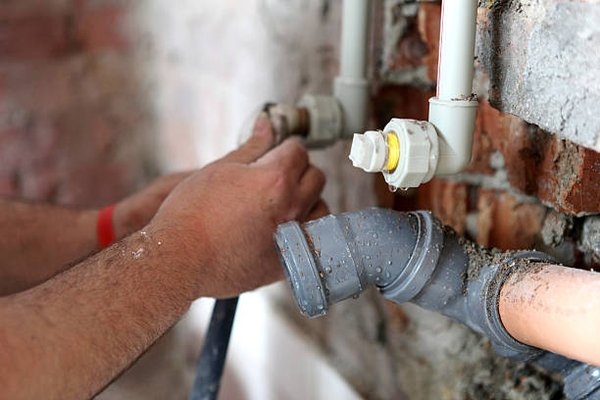
Step‑by‑Step Process Explained: Water Leak Detection in Titusville in Residential Homes
Water leaks are one of the most common and damaging problems homeowners face in Titusville. Due to the city’s humid climate, occasional storms, and aging residential infrastructure, even small leaks can escalate into significant water damage if not detected early. In residential homes, unnoticed leaks may cause structural issues, mold growth, high utility bills, and costly repairs.
Understanding the process of professional water leak detection is critical for homeowners who want to protect their property, prevent long-term damage, and maintain a safe and healthy living environment.
Why Water Leak Detection Is Important in Titusville Homes
1. Prevent Structural Damage
Water leaks, even minor ones, can weaken:
- Wooden framing and flooring
- Drywall and ceilings
- Foundations and subflooring
Prolonged exposure to water compromises structural integrity.
2. Avoid Mold and Mildew
Florida’s high humidity accelerates mold growth when water is present. Mold can appear within 24–48 hours of moisture accumulation, affecting indoor air quality and tenant or family health.
3. Reduce Utility Costs
Unnoticed leaks, such as in pipes or faucets, can waste hundreds of gallons of water monthly, raising water bills unnecessarily.
4. Protect Personal Property
Leaks in kitchens, bathrooms, or laundry rooms can damage furniture, electronics, and personal belongings.
Common Sources of Residential Water Leaks
- Pipes and Plumbing Fixtures – Aging copper, PVC, or PEX pipes may crack or loosen at joints.
- Roof Leaks – Damaged shingles or poor flashing can allow rainwater inside.
- HVAC Systems – Condensate lines or AC drip pans can overflow or clog.
- Appliances – Dishwashers, washing machines, and water heaters can leak.
- Irrigation Systems – Outdoor sprinkler leaks may saturate foundations.
- Windows and Doors – Poor sealing can allow rain to seep in.
Signs a Water Leak May Exist
- Unexpectedly high water bills
- Damp or discolored walls and ceilings
- Musty or moldy odors
- Soft or sagging flooring
- Water pooling in crawlspaces or basements
- Sounds of running water when none should be present
Early recognition allows homeowners to mitigate damage before major repairs are needed.
Step-by-Step Process of Professional Water Leak Detection
Professional water leak detection involves systematic techniques to locate and assess leaks without causing unnecessary damage.
Step 1: Initial Assessment
A technician begins by gathering information:
- History of leaks or water damage
- Current symptoms like damp spots or odors
- Locations of plumbing lines and appliances
This initial assessment guides the detection strategy and identifies priority areas.
Step 2: Visual Inspection
Technicians visually inspect:
- Plumbing fixtures, pipe joints, and water heaters
- Areas prone to moisture, such as kitchens, bathrooms, and laundry rooms
- Signs of mold or mildew growth
- Floorboards, ceilings, and walls for warping or discoloration
Visual inspection provides initial clues to leak locations.
Step 3: Monitoring Water Meters
Water meter testing helps detect hidden leaks:
- Turn off all water in the home
- Monitor the water meter for movement
- Any movement indicates water is flowing somewhere, suggesting a hidden leak
This method is simple but highly effective for detecting small, persistent leaks.
Step 4: Moisture Meters and Sensors
Technicians use specialized equipment:
- Moisture meters measure dampness in walls, floors, and ceilings
- Hygrometers monitor humidity levels in enclosed spaces
- Leak detection sensors can be placed near potential trouble spots for continuous monitoring
These tools detect hidden water before visible damage occurs.
Step 5: Thermal Imaging and Infrared Cameras
Infrared cameras identify temperature differences caused by moisture:
- Cold spots may indicate water accumulation
- Infrared imaging helps locate leaks behind walls, under floors, or above ceilings
- Non-invasive, preventing unnecessary demolition
This step is especially valuable in humid climates like Titusville’s, where water may seep into hidden cavities.
Step 6: Acoustic Leak Detection
Professional technicians sometimes use acoustic devices:
- Sensitive microphones detect the sound of water escaping pipes
- Effective for underground or concealed plumbing leaks
- Reduces the need to tear into walls or flooring unnecessarily
Acoustic detection is ideal for homes with complex plumbing systems.
Step 7: Pipe and Pressure Testing
For stubborn or hidden leaks:
- Technicians isolate sections of plumbing
- Introduce controlled pressure to identify weak points
- Drop in pressure indicates a leak location
This method is highly precise for both small pinhole leaks and major pipe damage.
Step 8: Leak Location Confirmation and Mapping
Once leaks are located:
- Technicians mark the precise location
- Map affected areas for repair
- Provide homeowners with a detailed report
Accurate documentation ensures that repairs address the problem fully.
Challenges in Titusville Residential Leak Detection
- High Humidity – Makes it harder to differentiate between humidity condensation and actual leaks.
- Older Homes – Aging plumbing may have multiple weak points or outdated materials.
- Hidden Pipes – Concealed walls and ceilings make access difficult.
- Tenant Activity – In rental properties, leaks may go unreported until significant damage occurs.
Professional expertise is crucial to overcome these challenges.
Solutions and Remediation After Leak Detection
After detecting leaks, restoration and repair include:
- Pipe repair or replacement – Fixing cracks, loose joints, or corroded pipes
- Roof or window repair – Sealing leaks and reinforcing waterproofing
- HVAC condensate maintenance – Clearing drains and repairing drip pans
- Mold remediation – Removing mold growth caused by prolonged leaks
- Drying and dehumidification – Using air movers and dehumidifiers to remove residual moisture
Swift remediation prevents further damage and protects health.
Costs of Water Leak Detection
Factors influencing costs:
- Size and complexity of the home
- Type and location of the leak
- Equipment used (thermal cameras, acoustic devices)
- Need for invasive inspections
Typical ranges in Titusville residential homes:
- Small homes, simple leaks: $150–$300
- Medium homes, moderate complexity: $300–$600
- Large homes or complex hidden leaks: $600–$1,000+
Investing in professional detection is cheaper than repairing structural or mold damage caused by undetected leaks.
Preventive Measures for Homeowners
- Inspect plumbing annually
- Replace worn pipes and fixtures proactively
- Maintain proper drainage around the foundation
- Ensure roof and window seals are intact
- Monitor water bills and indoor humidity regularly
- Educate tenants in rental properties to report leaks immediately
Preventive care reduces the risk of hidden leaks and expensive repairs.
Health and Safety Considerations
Water leaks can lead to:
- Mold growth causing respiratory problems
- Bacteria proliferation in standing water
- Structural hazards if wood or flooring becomes compromised
Early detection and remediation protect both property integrity and occupant health.
Conclusion
Water leaks in Titusville residential homes are common but often hidden. Whether caused by aging pipes, roof issues, or appliance failures, even small leaks can escalate quickly in the city’s humid climate. Professional water leak detection is a precise, step-by-step process that includes visual inspection, moisture meters, infrared imaging, acoustic detection, and pressure testing to locate hidden leaks accurately.
Addressing leaks early protects the structure, prevents mold growth, reduces utility costs, and safeguards health. For homeowners and rental property managers, investing in professional detection, repair, and preventive maintenance is a cost-effective strategy to ensure long-term property safety and comfort.