Step‑by‑Step Process Explained: Water Damage Restoration in Viera from Poor Ventilation
Homes in Viera face unique challenges during Florida’s humid climate, especially when poor ventilation leads to hidden water damage. Even in the absence of storms or flooding, trapped moisture from inadequate airflow can seep into walls, ceilings, floors, and HVAC systems, creating structural damage, mold growth, and reduced indoor air quality. Understanding water damage restoration is critical for homeowners, landlords, and property managers to protect their homes and residents from long-term consequences.
Building on lessons from Cocoa Beach air duct cleaning during the rainy season, this guide explains the causes, step-by-step restoration process, and preventive strategies specific to Viera’s homes. It emphasizes professional inspection, drying, cleaning, and ongoing maintenance.
How Poor Ventilation Leads to Water Damage
Poor ventilation contributes to water damage by trapping humidity inside homes. Common factors include:
- Limited airflow in attics and crawl spaces: Trapped warm, humid air condenses on wood, insulation, and drywall.
- Inefficient HVAC systems: Older or poorly maintained units may fail to dehumidify adequately.
- Sealed or tightly insulated homes: While energy-efficient, they can restrict natural airflow, causing moisture accumulation.
- Bathroom and kitchen exhaust failures: Without proper venting, humidity from showers and cooking contributes to condensation.
Over time, these conditions lead to moisture accumulation, wood rot, mold growth, and deterioration of structural materials.
Recognizing Signs of Water Damage from Poor Ventilation
Homeowners should be vigilant for early indicators of water damage:
- Musty or damp odors in rooms, closets, or attics
- Condensation on windows, pipes, or ductwork
- Staining, discoloration, or peeling paint on ceilings and walls
- Warped or soft flooring, particularly in corners or near HVAC vents
- Mold growth or black spots in hidden areas
- Allergic reactions or respiratory irritation among occupants
Early recognition allows professional intervention before damage becomes extensive and expensive to repair.
Step 1: Professional Inspection and Assessment
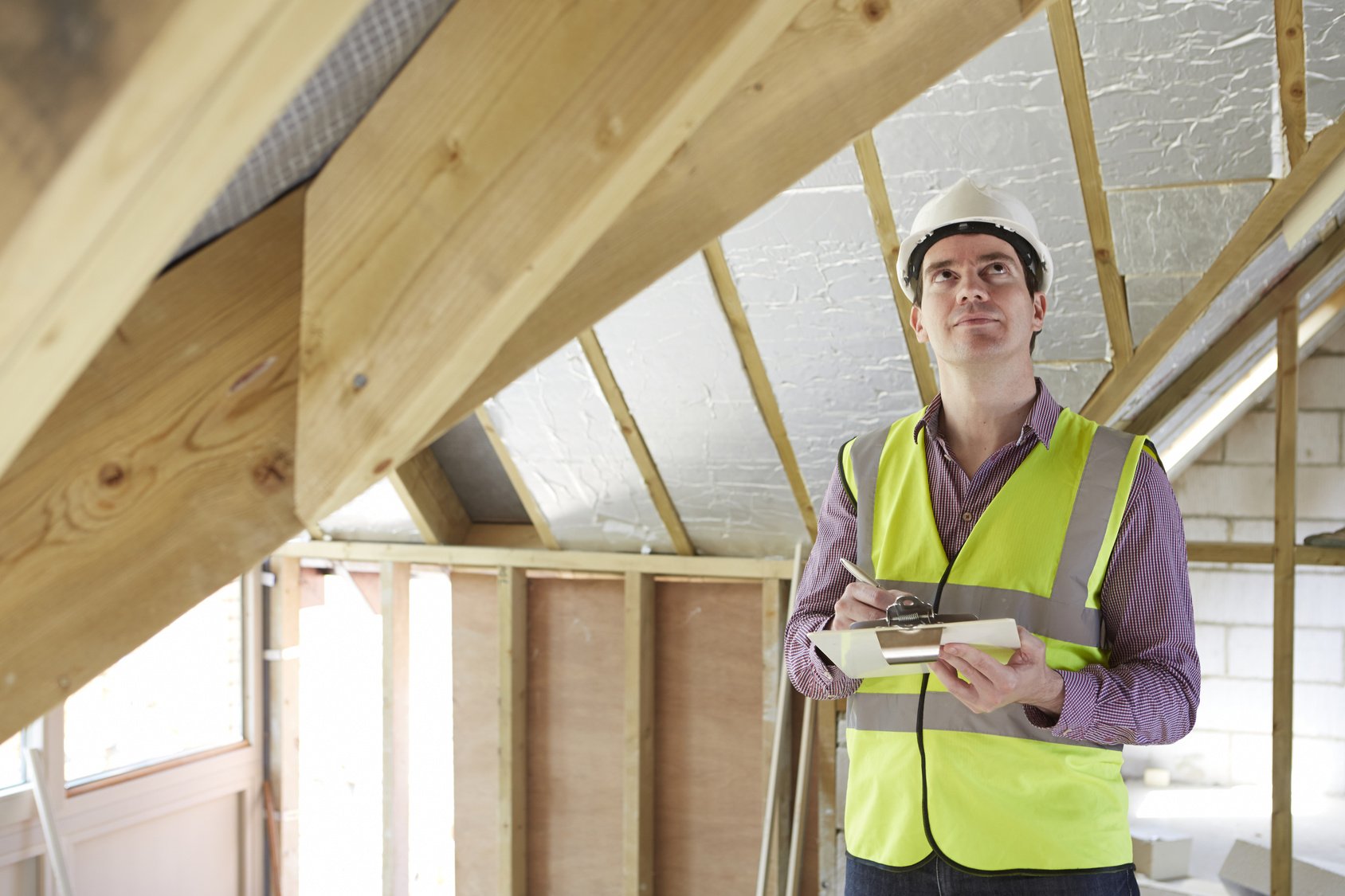
Professional water damage restoration begins with a detailed inspection. Experts use specialized tools and techniques to evaluate both visible and hidden damage:
Visual Inspection
Technicians check walls, ceilings, flooring, and HVAC components for signs of moisture or mold.
Moisture Measurement
Pinless moisture meters and hygrometers detect damp areas inside walls, subfloors, and insulation.
Thermal Imaging
Infrared cameras identify temperature differences caused by trapped moisture, highlighting hidden water intrusion.
HVAC and Ventilation Assessment
Air handlers, ductwork, and condensate lines are inspected to determine if poor ventilation contributed to moisture buildup.
Documentation
A thorough record of affected areas, moisture levels, and structural vulnerabilities guides the restoration process and supports insurance claims if applicable.
Step 2: Containment and Safety Measures
Containment prevents further damage and protects residents and technicians:
- Seal off affected areas using plastic sheeting or temporary barriers
- Turn off HVAC systems to prevent circulation of spores or dust
- Use personal protective equipment (PPE), including gloves, masks, and protective clothing
- Remove or cover furniture and valuables near affected zones
Proper containment ensures that remediation is safe and efficient.
Step 3: Water Extraction and Drying
Even when water damage results from condensation rather than flooding, thorough drying is essential:
Water Extraction
- Wet vacuums or pumps remove standing water or dampness in flooring, subfloors, or structural cavities.
Air Movers and Dehumidifiers
- Industrial air movers and dehumidifiers remove residual moisture from walls, floors, and attics.
- Moisture readings are monitored throughout the process to ensure complete drying.
Insulation and Material Considerations
- Wet insulation may need to be replaced to prevent mold growth.
- Porous materials, such as drywall, may be removed or treated depending on contamination levels.
Step 4: Mold Prevention and Cleaning
Moist environments caused by poor ventilation can quickly develop mold. Proper steps include:
- Cleaning surfaces with antimicrobial solutions
- Treating affected areas to prevent mold regrowth
- Sealing or repairing structural components to eliminate moisture sources
- HVAC duct cleaning if airflow contributed to moisture spread
Preventing mold is essential for both structural integrity and indoor air quality.
Step 5: Structural Repairs
Once water is removed and surfaces dried, restoration continues with repairs:
- Replace damaged drywall, flooring, or insulation
- Repair or seal leaks in HVAC components, plumbing, or ventilation systems
- Refinish or repaint surfaces affected by water stains or warping
- Ensure structural stability in attics, crawl spaces, and walls
These repairs restore the home to safe, habitable conditions and prevent recurring water damage.
Step 6: HVAC and Ventilation Improvements
Addressing ventilation issues is critical to prevent future water damage:
- Inspect and clean air ducts, registers, and vents
- Ensure proper airflow in attics, crawl spaces, and living areas
- Upgrade exhaust fans in bathrooms and kitchens
- Install dehumidifiers or ventilation systems where needed
Improving ventilation reduces indoor humidity, protects structural materials, and enhances air quality.
Preventive Measures for Homeowners
Homeowners can implement several strategies to minimize future water damage from poor ventilation:
- Schedule regular HVAC inspections and duct cleaning
- Maintain attic and crawl space ventilation with fans and vents
- Check for leaks in plumbing, roof, and windows
- Use dehumidifiers during high-humidity months
- Conduct seasonal inspections to identify early signs of moisture accumulation
- Educate tenants in rental properties on reporting dampness or condensation
Consistent preventive action ensures homes remain safe, healthy, and structurally sound.
Health Implications of Water Damage
Untreated water damage from poor ventilation can have serious health effects:
- Mold spores can trigger allergies, respiratory irritation, and asthma
- Damp conditions encourage bacterial growth
- Musty odors reduce indoor comfort and indicate compromised air quality
Professional restoration and ventilation improvements safeguard occupant health while protecting the home.
Why Local Expertise Matters
Viera homes share characteristics with nearby communities such as Melbourne, Cocoa Beach, and Merritt Island. Local professionals understand:
- Humidity patterns and seasonal rainfall
- Common construction materials and ventilation challenges in Florida homes
- Efficient water damage restoration and mold prevention techniques
- Tailored preventive strategies for long-term home protection
Companies like Palm Bay Mold Removal provide expert water damage restoration services in Viera, combining local experience with professional tools and techniques.
Practical Steps for Homeowners
- Inspect homes for visible signs of water damage or condensation.
- Schedule professional water damage assessment and moisture detection.
- Extract water and thoroughly dry affected areas using industrial equipment.
- Clean and sanitize surfaces to prevent mold growth.
- Repair or replace damaged structural components, flooring, and insulation.
- Address ventilation issues by improving airflow, cleaning ducts, and upgrading fans or dehumidifiers.
- Implement routine inspections and preventive maintenance to monitor indoor humidity and moisture levels.
Following these steps ensures long-term protection against water damage and related issues.
Final Thoughts
Water damage in Viera from poor ventilation can compromise structural integrity, indoor air quality, and resident health if left unaddressed. Step-by-step restoration, from inspection to drying, cleaning, and repairs, ensures homes remain safe, comfortable, and resilient.
Drawing on lessons from Cocoa Beach air duct cleaning during the rainy season, homeowners can see the value of professional intervention, targeted repairs, and proactive ventilation improvements. By combining expert services with ongoing preventive measures, Viera residents can protect their homes from Florida’s humid climate and maintain healthy living environments year-round.