Step‑by‑Step Process Explained: Emergency Water Removal in Viera in Commercial Buildings
Commercial properties in Viera are particularly vulnerable to water damage during heavy rain, tropical storms, or plumbing failures. Unlike residential homes, commercial buildings often contain larger open spaces, complex HVAC systems, and critical equipment that can be severely affected by even a small water intrusion. During Viera’s rainy season, prompt action is essential to prevent structural damage, mold growth, and costly operational interruptions.
Emergency water removal is more than just mopping up visible water. It involves rapid extraction, moisture detection, drying, and restoration, often requiring specialized equipment and professional expertise. This guide provides commercial property owners with a detailed understanding of the process, warning signs, and preventative measures to minimize water-related risks.
Understanding Water Damage in Commercial Buildings
Water damage can occur from various sources:
- Heavy rain or flooding entering through doors, windows, or roof leaks
- Plumbing failures such as burst pipes or leaking fixtures
- HVAC condensation or malfunction
- Sprinkler system activations or accidental discharge
The consequences of water intrusion are significant:
- Damage to flooring, drywall, and ceilings
- Saturated carpets or insulation
- Electrical hazards and equipment damage
- Mold growth if moisture is not addressed quickly
Even minor water events can escalate into major issues if not handled promptly with professional emergency water removal services.
Why Water Damage Is Common in Viera
Several local factors increase the risk of water damage in commercial properties:
High Rainfall and Humidity – Viera experiences frequent rainfall and high humidity during the summer months, which can exacerbate water intrusion and moisture retention.
Storm Water Intrusion – Tropical storms and hurricanes may overwhelm drainage systems, causing floodwater to enter basements, storage areas, and ground-level offices.
Aging Infrastructure – Older commercial buildings may have plumbing, roofing, or HVAC systems prone to leaks.
Poor Ventilation and Drainage – Inadequate ventilation in storage areas or roof drainage issues can trap moisture, increasing the risk of long-term damage.
Common Signs Property Owners Should Watch For
Early detection of water intrusion is critical. Warning signs include:
1. Standing Water or Damp Flooring – Pools of water on the floor are an obvious indicator.
2. Musty Odors – A damp or earthy smell can indicate hidden moisture.
3. Warped Flooring or Swollen Carpets – Moisture can cause flooring to cup, buckle, or feel spongy.
4. Stains on Ceilings or Walls – Discoloration may indicate leaks or condensation.
5. Increased Mold or Mildew – Visible growth in corners, HVAC systems, or storage areas signals moisture problems.
6. Electrical Malfunctions – Tripped breakers or flickering lights may result from water affecting electrical systems.
Step‑by‑Step Emergency Water Removal Process
Professional water removal in commercial properties follows a systematic approach to prevent further damage.
1. Immediate Assessment
The first step is a rapid visual inspection to identify:
- The extent of standing water
- Potential safety hazards, including electrical risks
- Priority areas such as server rooms, storage areas, or offices with sensitive equipment
This helps professionals determine the right equipment and containment measures.
2. Containment and Safety Measures
Before extraction, technicians secure the area:
- Shut off electrical circuits in affected zones
- Block off customer or employee access
- Place barriers to prevent water spreading to unaffected areas
Safety precautions protect both personnel and property.
3. Water Extraction
Rapid removal of standing water is critical to prevent further structural damage and mold growth. Methods may include:
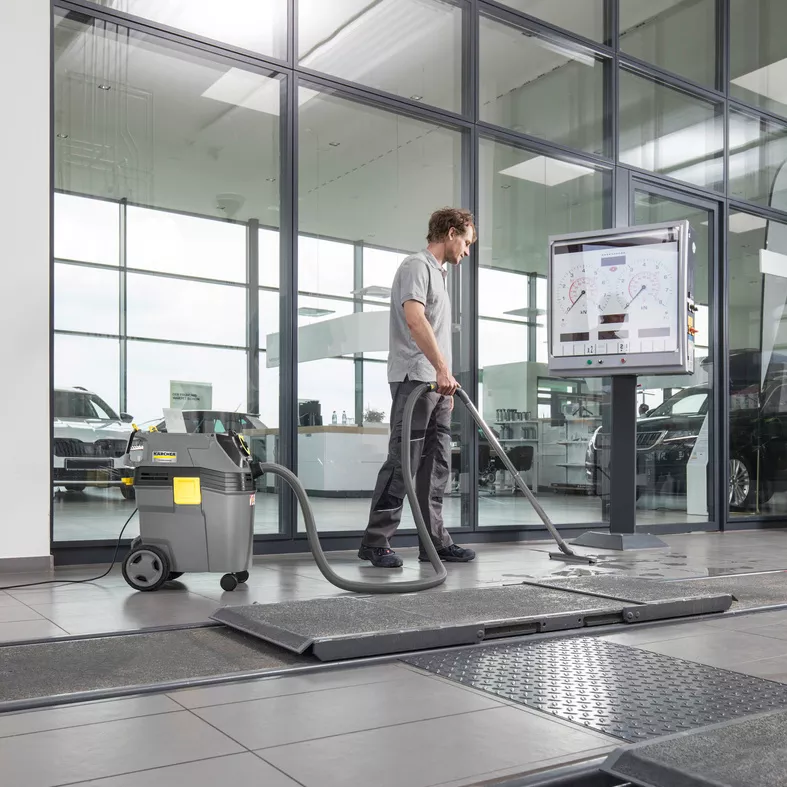
- Industrial wet/dry vacuums
- Submersible pumps for larger volumes
- Specialized extraction units for carpeted areas
The goal is to remove as much water as possible in the shortest time.
4. Moisture Detection and Mapping
After initial extraction, professionals use tools to locate hidden moisture:
- Moisture meters to check walls, floors, and subfloors
- Thermal imaging cameras to detect damp areas behind walls or ceilings
- Hygrometers to monitor indoor humidity levels
Accurate detection ensures no areas are overlooked, preventing future mold or structural issues.
5. Structural Drying
Drying the building involves multiple strategies:
- High-capacity industrial fans to increase airflow
- Dehumidifiers to remove excess moisture from the air
- Air movers directed at walls, flooring, and ceilings to accelerate drying
Drying must be thorough; even a small pocket of moisture can lead to mold within 24–48 hours.
6. Cleaning and Sanitizing
After drying, affected areas are cleaned to remove contaminants:
- Disinfectants applied to prevent bacterial or mold growth
- Carpets, rugs, and padding may be cleaned or replaced
- Furniture and equipment are cleaned and sanitized if exposed
This step reduces health risks and prevents musty odors from lingering.
7. Restoration and Repairs
Once water is removed and the building is dry, restoration begins:
- Replace damaged drywall, insulation, or flooring
- Repair roofing or plumbing issues that caused the intrusion
- Reinstall electrical components safely
The goal is to return the building to pre-loss condition efficiently and safely.
Benefits of Professional Water Removal
Professional emergency water removal provides several advantages:
- Prevents Mold Growth – Rapid extraction and drying eliminate conditions conducive to mold.
- Protects Structural Integrity – Timely removal prevents warping, swelling, and long-term damage.
- Reduces Health Risks – Cleaning and sanitizing limit exposure to bacteria and allergens.
- Minimizes Business Disruption – Fast service ensures minimal downtime for employees or customers.
- Identifies Hidden Issues – Advanced detection tools uncover moisture that might otherwise go unnoticed.
Prevention Tips for Commercial Property Owners
Preventing future water damage involves proactive maintenance and planning:
- Routine Roof and Gutter Inspections – Ensure that drains and downspouts function correctly.
- Check Plumbing Systems Regularly – Inspect pipes, joints, and valves for leaks.
- Maintain HVAC Units – Clean condensate lines and check for drainage issues.
- Install Water Alarms – Early detection devices alert staff to leaks or flooding.
- Schedule Post-Storm Inspections – After heavy rain, have a professional assess the building for hidden moisture.
Consistent maintenance reduces the likelihood of emergency water removal situations.
Local Expertise Matters
Viera’s coastal climate and seasonal rainfall patterns make local expertise critical. Professionals understand:
- Common storm-related water intrusion points in commercial buildings
- How high humidity affects building materials and HVAC systems
- The importance of rapid response during rainy seasons
- Effective drying and remediation methods tailored to Florida properties
Local experience ensures water removal and restoration are performed efficiently and effectively.
Costs and Considerations
Emergency water removal costs depend on property size, damage severity, and equipment needed:
- Small water extraction (single floor, minor leaks): $500–$1,500
- Medium-scale (multiple rooms, carpets, light equipment affected): $1,500–$5,000
- Large-scale commercial restoration (multi-story, significant flooding): $5,000+
Investing in professional removal often prevents higher costs related to mold remediation, structural repairs, or business interruption.
Final Thoughts
Emergency water removal is a critical service for commercial buildings in Viera, particularly during the rainy season. Rapid response, proper assessment, and thorough drying prevent mold growth, structural damage, and long-term maintenance issues. By understanding the step-by-step process, recognizing warning signs, and implementing preventive measures, commercial property owners can safeguard their buildings, maintain operational continuity, and protect their investments.
Professional water removal is not just about removing water—it’s about restoring safety, integrity, and long-term resilience to commercial properties facing Florida’s challenging rainy season conditions.