
Step‑by‑Step Process Explained: Air Duct Cleaning in Merritt Island After Flooding
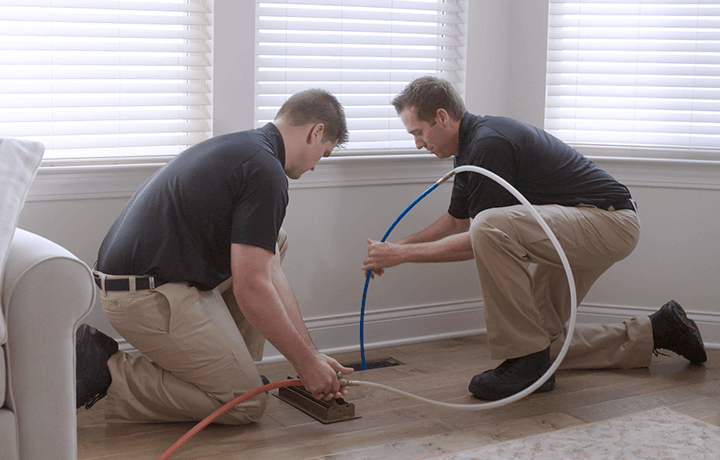
For homeowners in Merritt Island, flooding from heavy rains, plumbing failures, or hurricanes can lead to water intrusion in HVAC systems. When water enters air ducts, it creates ideal conditions for mold growth, bacterial proliferation, and poor indoor air quality. Air duct cleaning after flooding is a critical step in restoring safe and healthy air circulation throughout the home.
This guide provides a detailed, step-by-step explanation of the air duct cleaning process for flooded homes in Merritt Island, highlights early warning signs, and offers preventive measures for homeowners to reduce future risks.
Understanding the Risks: Flooded Air Ducts
Floodwater is often contaminated, carrying dirt, debris, and microbes. When it infiltrates HVAC systems, it can saturate:
- Ductwork (flexible or rigid)
- Air handlers and furnace components
- Vent registers and grills
- Filters and insulation surrounding ducts
Unchecked moisture in the system can lead to mold growth within 24–48 hours. Mold spores then circulate throughout the home every time the HVAC system operates, compromising indoor air quality and posing potential health risks.
Early Signs Homeowners Should Watch For
Flooded or moisture-compromised ducts may show these indicators:
- Musty or Moldy Odors – Persistent earthy smells near vents signal microbial growth.
- Visible Water or Stains – Water dripping from vents or visible water marks inside ducts.
- Reduced Airflow – Clogged or partially obstructed ducts from debris and mold.
- Increased Allergic Reactions – Sneezing, coughing, or respiratory irritation may indicate spores circulating.
- Rust or Corrosion – Moisture may damage metal ductwork, indicating long-term water exposure.
Prompt professional inspection is essential to prevent long-term structural damage and health concerns.
Step 1: Initial Inspection and Assessment
The first step in air duct cleaning after flooding involves a thorough inspection:
- Visual Examination – Check duct interiors, air handler, and vent registers for moisture, dirt, and debris.
- Moisture Detection – Use moisture meters or thermal imaging to locate hidden damp spots within walls or duct cavities.
- Assessment of Contaminants – Identify mold, debris, or sediment carried in by floodwater.
Accurate assessment determines the extent of cleaning, removal, and potential duct replacement.
Step 2: Containment and Safety Measures
Flooded ducts may release spores or contaminants during cleaning. Professionals implement safety measures such as:
- Sealing off affected ducts with plastic sheeting
- Using negative air machines to prevent airborne spread
- Wearing protective gear (gloves, respirators, and suits) to limit exposure
Containment ensures that contaminants do not spread to clean areas of the home.
Step 3: Debris and Sediment Removal
After containment, the next step is removing solid debris from the ducts:
- Mechanical Agitation – Brushes or air whips dislodge sediment, dust, and mold from duct walls.
- Vacuum Extraction – HEPA-filtered vacuum systems remove debris without releasing spores into the home.
- Filter Replacement – Any contaminated filters are replaced to prevent recontamination.
Step 4: Mold and Microbial Cleaning
If mold or microbial growth is present, professional cleaning involves:
- Antimicrobial Treatments – Non-toxic, EPA-approved solutions applied to duct surfaces.
- Coil and Pan Cleaning – Air handler coils, drip pans, and condensate lines are sanitized to remove residual moisture and microbial colonies.
- Surface Scrubbing – Accessible duct surfaces are scrubbed to eliminate stubborn mold spores.
Proper microbial cleaning prevents recurrence and restores indoor air quality.
Step 5: Drying and Dehumidification
Drying is critical after flood exposure to prevent mold regrowth:
- High-Powered Air Movers – Circulate air through the duct system to accelerate drying.
- Dehumidifiers – Remove residual moisture from the indoor environment.
- Continuous Monitoring – Moisture sensors track levels until safe dryness is achieved.
Without thorough drying, even clean ducts can quickly develop mold.
Step 6: Inspection and Verification
After cleaning and drying, a final inspection ensures the ducts are safe for use:
- Visual Checks – Confirm no remaining debris, water, or visible mold.
- Air Quality Testing – Optional testing can verify that airborne spores are at safe background levels.
- HVAC System Evaluation – Ensure proper airflow and that all components function efficiently.
This verification step provides homeowners confidence that the system is restored.
Step 7: Restoration and Repairs
Flooded air ducts may require minor or major restoration:
- Duct Replacement – Severely damaged or mold-infested sections may need replacement.
- Seal Leaks – Repair gaps or compromised joints to prevent future moisture intrusion.
- Insulation Replacement – Replace wet or contaminated insulation surrounding ducts.
- System Reassembly – Restore vents, grilles, and air handlers for proper airflow.
Benefits of Professional Air Duct Cleaning
- Improved Indoor Air Quality – Removes spores, debris, and bacteria from circulating air.
- Reduced Health Risks – Minimizes allergens and mold exposure.
- Enhanced HVAC Efficiency – Clean ducts improve airflow and system performance.
- Structural Protection – Prevents mold spread to walls, ceilings, and other materials.
- Long-Term Prevention – Proper cleaning, drying, and sealing reduce future contamination.
Preventive Measures After Flood Restoration
Homeowners can reduce the risk of future issues with these steps:
- Routine HVAC Maintenance – Regular inspection, filter changes, and coil cleaning.
- Monitor Humidity – Keep indoor relative humidity below 50% to limit mold growth.
- Seal Vulnerable Areas – Protect ductwork from potential water intrusion during storms.
- Install Drainage Improvements – Ensure AC condensate lines and sump pumps function properly.
- Periodic Air Quality Testing – Detect early signs of contamination before serious problems develop.
Local Expertise Matters
Merritt Island homeowners benefit from local professionals familiar with:
- Coastal weather patterns and flooding risks
- Common HVAC and AC systems in Florida homes
- Regional construction materials prone to water damage
- Local standards for air duct cleaning and indoor air quality restoration
Working with experienced local technicians ensures thorough cleaning, proper drying, and tailored preventive strategies.
Conclusion
Flooding can severely impact HVAC systems in Merritt Island homes, creating ideal conditions for mold and microbial growth within air ducts. Early detection, professional cleaning, and proper drying are essential to restore indoor air quality, protect health, and preserve HVAC efficiency.
The step-by-step air duct cleaning process includes inspection, containment, debris removal, microbial treatment, drying, verification, and necessary repairs. Combined with preventive measures—routine maintenance, humidity control, and protection against future water intrusion—homeowners can safeguard their homes against long-term damage.
Prompt action after flooding not only restores comfort but also ensures a safe, healthy living environment for Merritt Island residents year-round.