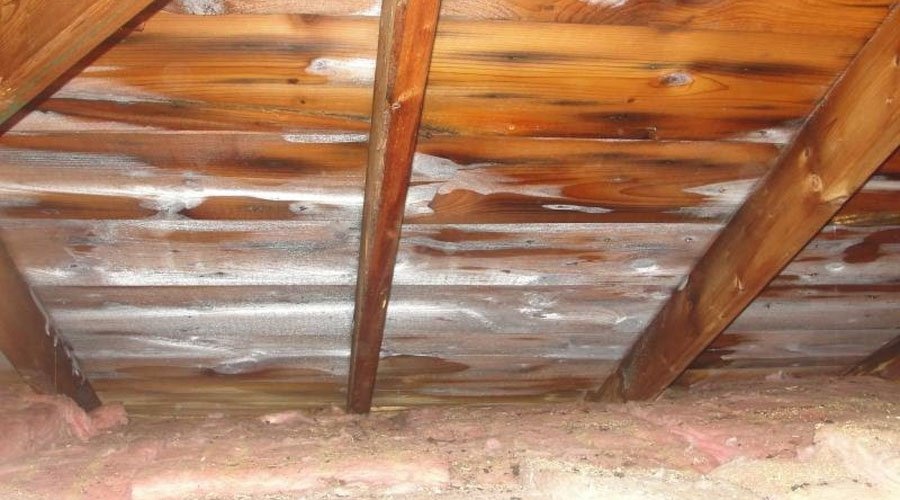
Satellite Beach Water Damage Restoration After Hurricanes: How to Prevent Future Damage
Hurricanes are a reality for homeowners in Satellite Beach. Strong winds, heavy rainfall, and storm surge can introduce water into homes in ways that are sometimes obvious and sometimes hidden. While the immediate focus after a storm is often cleanup, the real challenge is preventing long-term damage that can appear weeks or even months later.
Water damage restoration is not just about drying what is visible. It is about understanding how moisture behaves in coastal homes, identifying hidden problems, and taking practical steps to reduce the chances of future damage.
What Water Damage After Hurricanes Really Means
When a hurricane brings water into a home, that moisture rarely stays in one place. It spreads through porous materials such as drywall, insulation, wood framing, and flooring. Even after surfaces look dry, moisture can remain trapped beneath materials.
In Satellite Beach homes, water intrusion commonly affects:
- Flooring and carpet
- Baseboards and drywall
- Attic insulation
- Wall cavities
- Air ducts and HVAC components
If these areas are not properly dried, they can weaken over time or create conditions that support mold growth.
Why Hurricane Damage Happens So Often in Satellite Beach
Coastal communities like Satellite Beach, Cocoa Beach, and Merritt Island face several factors that increase the likelihood of water damage.
Storm surge and wind-driven rain
Water can enter through doors, windows, and roof edges even when a home is well maintained.
High humidity levels
Florida’s climate slows natural drying and allows moisture to linger.
Salt air exposure
Coastal conditions gradually wear down seals, flashing, and exterior materials.
Flat terrain and drainage challenges
Water may remain around foundations longer after heavy rainfall.
These local conditions make proper restoration especially important in Brevard County homes.
Common Signs Homeowners Notice After a Storm
Some water damage is immediately visible, but other problems appear gradually. Typical signs include:
- Musty or damp odors
- Warping or swelling of flooring
- Stains on ceilings or walls
- Peeling paint or bubbling drywall
- Increased indoor humidity
Even small signs should be taken seriously, because hidden moisture often extends beyond the visible area.
Hidden or Overlooked Sources of Moisture
After hurricanes, moisture often remains in areas that are easy to overlook.
These include:
- Beneath flooring or carpet padding
- Inside wall cavities
- Around window frames and door thresholds
- Behind kitchen or bathroom cabinets
- Inside attic insulation
In homes across Satellite Beach and nearby Melbourne and Rockledge, attic spaces are especially vulnerable because warm air holds moisture and slows evaporation.
Why Quick DIY Drying Is Not Always Enough
Many homeowners begin drying with fans or household equipment, which can help on the surface but may not solve the deeper problem.
DIY drying often falls short because:
- Household fans do not remove deep moisture
- Padding and insulation hold water longer than expected
- Humidity remains high without dehumidification
- Moisture inside walls is difficult to detect
Without proper drying, structural materials may weaken and odors may develop weeks later.
Professional Water Damage Inspection and Assessment
A thorough inspection is the foundation of effective restoration. Professionals use specialized tools to determine how far moisture has spread.
Typical steps include:
- Measuring moisture levels in walls and floors
- Inspecting attic spaces and crawl areas
- Evaluating humidity levels throughout the home
- Identifying areas at risk for mold growth
Companies such as Palm Bay Mold Removal often perform detailed moisture mapping in Satellite Beach homes, helping homeowners understand what areas require drying or repair.
The Water Damage Restoration Process
When restoration is performed correctly, the process is structured and methodical.
1. Water Removal
Standing water is extracted using professional equipment designed to remove large volumes quickly.
2. Structural Drying
Air movers and dehumidifiers are positioned to dry floors, walls, and framing.
3. Cleaning and Sanitizing
Surfaces are cleaned to remove residues left by stormwater.
4. Repair and Restoration
Damaged materials such as drywall, trim, or flooring may be repaired or replaced.
5. Final Verification
Moisture levels are checked to confirm the home has fully dried.
This approach helps prevent secondary problems that can appear later.
The Role of Mold Inspection After Hurricanes
Even when visible water is removed, mold can develop in hidden areas if moisture remains. Mold inspections are often recommended after hurricane damage to ensure that all affected materials are dry.
Inspections may include:
- Checking attic and ceiling cavities
- Testing humidity levels
- Identifying areas of potential microbial growth
Early detection helps prevent more extensive remediation later.
Air Ducts, AC Systems, and Post-Storm Moisture
Air conditioning systems play an important role in controlling humidity, but they can also be affected by storm conditions.
After hurricanes, technicians often inspect:
- Duct insulation
- Air handlers in attic spaces
- Condensation lines
- Vent openings
If moisture enters ductwork, it may circulate humid air throughout the home, slowing the drying process.
How to Prevent Future Water Damage
Preventive steps can significantly reduce the impact of future storms. Homeowners in Satellite Beach often find that routine maintenance and preparation make a noticeable difference.
Practical steps include:
Maintain the roof and flashing
Regular inspections help identify small issues before storms arrive.
Seal windows and doors
Weatherstripping and proper sealing reduce wind-driven rain intrusion.
Improve drainage around the home
Keeping gutters and downspouts clear directs water away from the foundation.
Use dehumidifiers after storms
Lowering indoor humidity speeds drying and discourages mold growth.
Inspect attics and ceilings after heavy rain
Early detection of leaks prevents widespread damage.
Homes in nearby communities such as Viera and Titusville often follow similar preparation routines because weather patterns affect the entire region.
Why Local Experience Matters in Restoration
Water damage restoration in coastal Florida is different from restoration in inland or drier climates. High humidity, salt air, and rapid weather changes require specialized knowledge and equipment.
Professionals familiar with Brevard County conditions understand:
- How moisture behaves in coastal homes
- Which materials are most vulnerable
- How long drying typically takes in humid air
- Where hidden water is most likely to accumulate
Palm Bay Mold Removal and other experienced local specialists focus on identifying moisture sources and ensuring complete drying, which helps prevent recurring problems.
A Practical Approach to Protecting Your Home
Hurricane damage can feel overwhelming, but most long-term problems can be prevented with prompt action and proper restoration. Removing water quickly, drying structural materials thoroughly, and monitoring humidity levels are the most effective ways to protect a home after a storm.
For homeowners in Satellite Beach, staying proactive—inspecting roofs, maintaining drainage, and scheduling inspections when needed—can significantly reduce the risk of future damage. With the right preparation and response, homes can remain strong and resilient even in a hurricane-prone coastal environment.