
Satellite Beach Emergency Water Removal After Hurricanes: Costs, Causes, and Solutions
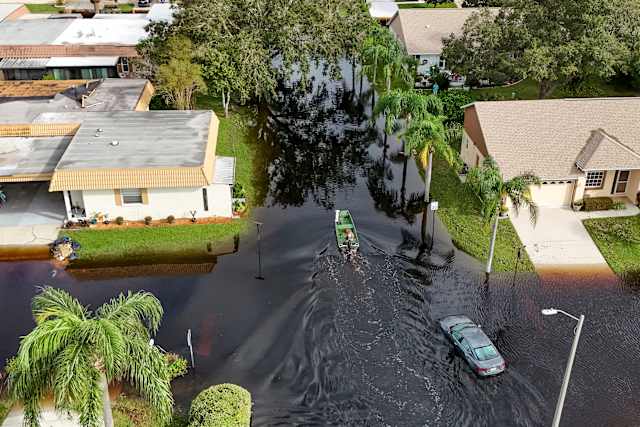
Hurricane season in Satellite Beach is not theoretical. Coastal storms bring wind-driven rain, storm surge, roof damage, and extended power outages. When water enters a home, the damage can escalate quickly — especially in Florida’s humid coastal climate.
Emergency water removal is often the first and most critical step after a hurricane. Acting quickly limits structural damage, reduces long-term repair costs, and prevents secondary issues like mold growth.
This guide explains the common causes of hurricane-related water damage in Satellite Beach, what emergency water removal involves, and what homeowners should understand about costs and long-term solutions.
Why Hurricanes Cause Severe Water Damage in Satellite Beach
Satellite Beach sits directly along the Atlantic coastline. During hurricanes and tropical storms, homes may experience:
Storm surge in low-lying areas
Wind-driven rain penetrating roofs
Broken windows or sliding doors
Compromised roof flashing
Overflowing gutters and drainage systems
Extended humidity due to power outages
Even if a home avoids direct storm surge, heavy rain alone can saturate roofing systems and attic spaces.
Homes in nearby Cocoa Beach and Indian Harbour Beach face similar exposure, but elevation and construction type influence how water enters each property.
Common Causes of Emergency Water Removal Calls
Emergency water removal is typically required after:
Roof damage allowing rain intrusion
Floodwater entering through doors or garages
Plumbing lines breaking during pressure changes
Clogged condensate lines during power restoration
Water heater failure during outage
Seawater intrusion in coastal zones
In many cases, multiple sources contribute to interior water accumulation.
Identifying the primary cause is essential for preventing recurrence.
What Happens During Emergency Water Removal
Water removal after a hurricane is a structured process.
Step 1: Immediate Water Extraction
Industrial pumps and extraction equipment remove standing water quickly.
The faster water is removed, the less it penetrates into subfloors and wall cavities.
In large coastal homes, high-capacity equipment may be required due to square footage.
Step 2: Moisture Detection and Mapping
Water spreads beyond visible puddles.
Moisture meters measure dampness inside:
Drywall
Baseboards
Subfloors
Insulation
Ceiling cavities
Thermal imaging may help locate hidden water pockets.
Surface dryness does not confirm internal dryness.
Palm Bay Mold Removal often emphasizes moisture mapping before proceeding to structural drying.
Step 3: Removal of Saturated Materials
Porous materials that cannot dry effectively may require removal.
These include:
Carpet padding
Drywall sections
Insulation
Baseboards
Ceiling panels
Removing saturated materials prevents trapped moisture from prolonging recovery.
Leaving wet materials in place increases mold risk.
Step 4: Structural Drying and Dehumidification
After extraction and material removal, drying begins.
This involves:
Commercial dehumidifiers
High-velocity air movers
Humidity monitoring
Airflow control
In Satellite Beach’s humid coastal climate, dehumidification is essential.
Indoor humidity should remain below 60 percent during recovery.
Drying may take several days depending on severity.
Cost Factors for Emergency Water Removal
Costs vary depending on multiple factors.
Extent of Water Intrusion
The larger the affected area, the higher the labor and equipment requirements.
Duration of Exposure
Water left standing for extended periods increases structural damage.
Type of Water
Clean water from a supply line differs from storm surge or contaminated floodwater.
Contaminated water may require additional removal and disposal steps.
Material Replacement Needs
Replacement of drywall, insulation, flooring, and cabinetry affects overall cost.
Accessibility
Attic or crawl space water removal may require additional labor.
While costs vary, rapid response typically reduces total restoration expenses by limiting structural impact.
Mold Prevention After Hurricane Flooding
Florida’s climate creates a narrow window before mold may begin developing.
If materials remain damp for more than 24 to 48 hours, contamination risk increases.
Preventative measures include:
Immediate extraction
Removal of saturated materials
Maintaining humidity control
Monitoring moisture levels
If mold is already visible, structured remediation may be necessary.
Early drying is the most cost-effective prevention strategy.
HVAC and Duct System Considerations
After hurricanes, HVAC systems require inspection.
Water intrusion may impact:
Air handler compartments
Duct insulation
Condensate drain lines
Electrical components
Filters should be replaced immediately.
If duct insulation became damp, inspection determines whether cleaning or replacement is required.
Maintaining airflow supports continued drying.
Long-Term Solutions for Coastal Homes
Preventing future water damage requires proactive planning.
Roof Maintenance
Inspect roofing annually and after storms.
Replace aging shingles and flashing promptly.
Drainage Improvements
Ensure gutters and downspouts direct water away from foundations.
Window and Door Sealing
Reseal sliding doors and windows regularly.
Elevation Awareness
Homes in lower elevations may benefit from flood barriers.
Humidity Monitoring
Use hygrometers to track indoor humidity levels.
Maintaining humidity below 60 percent reduces long-term moisture stress.
Slab Foundations and Groundwater
Many Satellite Beach homes sit on slab foundations.
During hurricanes, groundwater levels may rise.
Moisture can migrate upward into flooring and lower drywall sections.
Professional moisture detection confirms slab-related dampness.
Improving exterior drainage reduces recurrence risk.
Why Local Experience Matters
Satellite Beach homes face environmental stress different from inland communities like Melbourne or West Melbourne.
Salt air accelerates material wear. Storm surge increases intrusion risk. Humidity slows drying.
Professionals familiar with Brevard County construction styles understand common vulnerabilities in coastal homes.
Palm Bay Mold Removal has worked extensively throughout Satellite Beach and surrounding communities, addressing hurricane-related water damage specific to Florida’s environment.
Acting Quickly Protects Your Home
Emergency water removal after hurricanes in Satellite Beach is not just about pumping out visible water. It is about identifying hidden moisture, stabilizing humidity, and preventing long-term structural damage.
Delays increase repair costs and mold risk.
By combining rapid extraction, moisture detection, structured drying, and preventative maintenance, homeowners can protect their properties effectively.
In Florida’s coastal climate, quick response and proactive moisture management are the most reliable defenses against hurricane-related water damage.