Satellite Beach Duct Cleaning in Commercial Buildings: How to Prevent Future Damage
Commercial buildings in Satellite Beach, Florida, face unique challenges with HVAC systems and ductwork due to heavy usage, high humidity, and proximity to the coast. Over time, dust, debris, mold, and moisture can accumulate inside ducts, reducing airflow, compromising indoor air quality (IAQ), and increasing the risk of equipment damage.
Regular duct cleaning is essential for protecting occupants, maintaining energy efficiency, and preventing long-term damage. This guide outlines the importance of duct cleaning, early warning signs, the cleaning process, and strategies to prevent future problems in commercial properties.
Why Duct Cleaning Matters for Commercial Buildings
- Improves Indoor Air Quality
- Dust, pollen, and microbial growth in ducts can circulate through office spaces, warehouses, or retail areas, affecting employee health and productivity.
- Enhances HVAC Efficiency
- Clean ducts reduce airflow restrictions, allowing HVAC units to operate more efficiently and lower energy costs.
- Prevents Equipment Damage
- Accumulated debris can strain fans, coils, and motors, leading to system malfunctions or costly repairs.
- Reduces Health and Safety Risks
- Mold and bacteria in ducts can trigger respiratory issues, allergies, or asthma in occupants.
- Prolongs System Lifespan
- Regular maintenance prevents corrosion, water damage, and wear, extending the life of HVAC equipment.
Common Causes of Duct Contamination in Commercial Buildings
- High Humidity
- Coastal environments increase condensation inside ductwork, promoting mold growth.
- Storm or Water Damage
- Hurricanes, roof leaks, or plumbing failures can introduce moisture into HVAC systems.
- Heavy Occupancy
- Dust, debris, and particulate matter from high foot traffic accumulate faster in ducts.
- Poor Maintenance
- Neglecting filter replacement or duct inspections allows buildup over time.
- Construction or Renovation Debris
- Remodeling projects can deposit drywall dust, insulation fibers, and other contaminants into ductwork.
Early Warning Signs Your Ducts Need Cleaning
- Musty or Moldy Odors
- Persistent smells from vents indicate microbial growth.
- Visible Dust or Debris
- Particles or mold near vents or in exposed duct sections.
- Uneven Airflow
- Rooms feel hotter or colder due to clogged or restricted ducts.
- Excessive Allergy Symptoms
- Employees or occupants experience sneezing, coughing, or respiratory irritation.
- Water Leaks or Moisture
- Condensation or pooling water near HVAC units or vents can lead to mold buildup.
- Noisy HVAC Systems
- Fans or motors strain against blockages, causing unusual sounds.
Step-by-Step Duct Cleaning Process for Commercial Buildings
Step 1: Inspection and Assessment
- Conduct a thorough inspection of ducts, vents, and HVAC components.
- Use cameras or visual tools to locate contamination, water damage, or blockages.
Step 2: Containment
- Seal areas to prevent dust and debris from spreading to occupied spaces during cleaning.
Step 3: Debris Removal
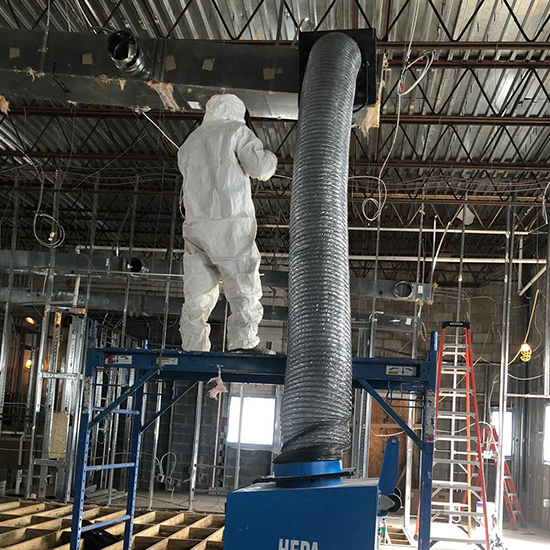
- Employ industrial HEPA vacuum systems, brushes, and air whips to dislodge and remove dirt and debris.
Step 4: Disinfection
- Apply EPA-approved antimicrobial solutions to duct surfaces to prevent mold and bacterial regrowth.
Step 5: Drying
- Use fans, dehumidifiers, or blowers to ensure all duct surfaces are dry, reducing future microbial risks.
Step 6: System Testing
- Restart the HVAC system and verify airflow, temperature consistency, and odor removal.
Step 7: Documentation
- Provide records of cleaning, inspections, and recommendations for maintenance schedules.
Preventive Strategies to Avoid Future Duct Damage
- Routine Maintenance
- Schedule inspections and cleanings at least every 12–18 months, or more frequently for high-traffic areas.
- Monitor Humidity Levels
- Maintain indoor humidity below 60% to reduce condensation inside ducts.
- Filter Management
- Use high-quality filters and replace them regularly to prevent particulate buildup.
- Prompt Leak Repairs
- Fix roof leaks, plumbing issues, and HVAC condensation promptly.
- Seal Ductwork Properly
- Close gaps, joints, and seams to prevent moisture infiltration and reduce energy loss.
- Install Air Purifiers or UV Systems
- Supplement HVAC systems with technologies that reduce microbial growth and improve IAQ.
- Employee and Tenant Awareness
- Educate building occupants about keeping vents clear and reporting unusual odors or airflow issues.
Benefits of Preventive Duct Cleaning
- Healthier Indoor Environment
- Minimizes allergens, dust, and microbial contamination.
- Energy Efficiency
- Reduces system strain, lowering electricity costs.
- Reduced Repair Costs
- Prevents equipment failures and structural damage caused by moisture and debris.
- Compliance and Safety
- Meets health and building standards for commercial properties.
- Peace of Mind
- Owners and managers know their building’s air quality and HVAC system are well-maintained.
Conclusion
In Satellite Beach commercial buildings, duct cleaning is not just maintenance—it’s a critical part of preventing long-term damage, ensuring occupant safety, and maintaining energy efficiency. Early warning signs, such as musty odors, dust accumulation, uneven airflow, or moisture, should never be ignored.
A professional duct cleaning process—including inspection, debris removal, disinfection, and drying—combined with preventive strategies like routine maintenance, humidity control, filter management, and leak repair, helps commercial building owners protect their investment, improve indoor air quality, and prevent costly future damage.