
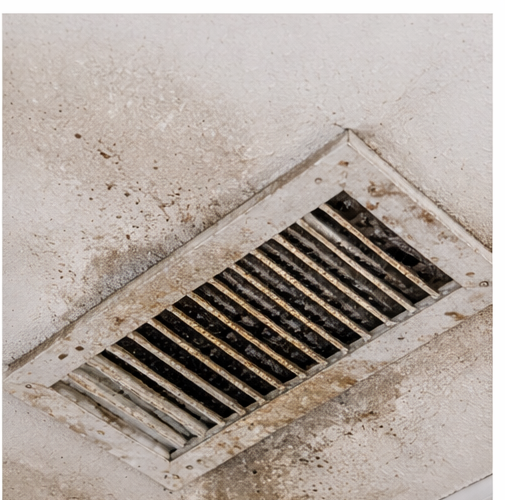
Satellite Beach Duct Cleaning After Hurricanes: Step-by-Step Process Explained
Living in Satellite Beach means living with hurricanes. It’s part of coastal life here in Brevard County. From late summer into fall, heavy rains, storm surge, and high winds test every home’s structure — especially HVAC systems.
After a storm passes, most homeowners check the roof, windows, and maybe the drywall. Very few think about what just got pulled into their air ducts.
That’s where problems quietly begin.
As a local team serving Satellite Beach, Palm Bay, Melbourne, Rockledge, Cocoa Beach, Merritt Island, Viera, and Titusville, we’ve seen what post-hurricane duct systems actually look like. And it’s rarely pretty.
Let’s walk through exactly what happens inside ductwork after a hurricane — and the step-by-step process for cleaning it properly.
What Hurricane Damage Does to Air Ducts
Hurricanes create the perfect storm for contamination inside duct systems.
You have:
• Wind-driven rain
• Salt-heavy coastal moisture
• Power outages
• High humidity
• Flooding or crawl space saturation
• Debris pulled into exterior vents
When the power kicks back on and the AC starts running, the system can circulate moisture, dust, insulation particles, and even microbial growth throughout the home.
Ductwork in Satellite Beach homes is especially vulnerable because:
• Many systems run through attics exposed to heat and humidity
• Some homes sit on slab foundations with return ducts near flooring
• Coastal air carries salt, which accelerates corrosion
• Older flexible duct lines can trap water internally
Once moisture gets inside ducts, it doesn’t just “dry out” quickly in Florida’s humidity. It lingers. And that’s when contamination begins.
Why This Happens So Often in Satellite Beach
Satellite Beach sits right along the Atlantic. That coastal exposure changes everything.
During hurricanes, we often see:
• Wind pushing rain into roof vents
• Soffit damage allowing attic moisture intrusion
• Flooded garages where air handlers are installed
• Crawl spaces holding standing water for days
Even if your home didn’t flood, high humidity alone can create condensation inside ductwork. When AC systems shut off during outages, airflow stops. Moisture settles. Dust sticks. Microbial growth starts quietly.
Homes in nearby Cocoa Beach and Merritt Island experience similar patterns because of the coastal exposure. Inland areas like Viera and Palm Bay see less salt exposure but still deal with extreme humidity and storm water intrusion.
After major storms, duct cleaning requests spike for a reason.
Common Signs Homeowners Notice
Post-hurricane duct contamination doesn’t always show obvious symptoms right away. But homeowners often report:
• Musty smell when AC turns on
• Increased dust buildup
• Visible debris around vents
• Allergy irritation after storms
• AC running longer than usual
• Uneven airflow
Sometimes vents show light spotting or dark residue. Other times, the duct interior holds moisture but no visible surface signs.
If your home smelled clean before the storm and now doesn’t, your duct system is worth inspecting.
Hidden or Overlooked Sources of Contamination
The obvious assumption is roof leaks. But we frequently find other hidden causes.
- Attic condensation
Storm humidity combined with damaged attic insulation creates condensation that drips directly onto flexible ducts. - Air handler saturation
If the indoor unit sits in a garage that flooded or experienced heavy moisture, the blower compartment can pull damp air into the system. - Return duct gaps
Older homes in Rockledge and Melbourne sometimes have poorly sealed return plenums. Storm debris and insulation fibers get pulled in. - Crawl space humidity
In slab or raised foundation homes, prolonged ground moisture migrates upward. - Salt corrosion
In Satellite Beach, salt air accelerates metal duct deterioration, creating small openings where moisture enters.
These issues often go unnoticed until odors develop.
Why DIY Duct Cleaning Usually Fails
Many homeowners consider vacuuming vents or spraying disinfectant into the system.
Unfortunately, that only treats the surface.
Duct systems are long, sealed pathways. True cleaning requires:
• Negative air pressure
• Agitation tools
• Access panels
• Proper containment
Store-bought sprays do not remove embedded debris. They often just add moisture.
Shop vacs cannot reach deep into duct lines.
In fact, improper DIY attempts sometimes push debris further into the system.
After hurricanes, moisture-related contamination requires both cleaning and drying. Skipping the drying step leads to recurrence.
Professional Duct Inspection & Assessment Explained
The first step is inspection.
A proper post-hurricane duct assessment includes:
• Visual inspection of supply and return vents
• Inspection of the air handler interior
• Moisture meter readings
• Checking attic duct runs
• Evaluating insulation around duct lines
• Assessing plenum condition
If standing water is found in crawl spaces or attic insulation is saturated, that must be addressed before cleaning.
Satellite Beach homes often require attic evaluation because flexible ducts are commonly routed overhead.
The goal is to determine:
• Is this surface debris?
• Is there moisture inside duct insulation?
• Is there microbial growth present?
• Is duct replacement necessary in sections?
Not every system needs full replacement. But partial duct replacement is common after severe storm intrusion.
Step-by-Step Duct Cleaning Process After Hurricanes
Here’s what proper cleaning looks like.
Step 1: System Shutdown & Protection
The HVAC system is powered down. Floors and surrounding areas are protected.
Step 2: Access Creation
Access panels are created in the duct system if needed. These are later sealed professionally.
Step 3: Negative Air Setup
A high-powered vacuum collection system is attached to create negative pressure. This prevents debris from entering living spaces.
Step 4: Agitation & Debris Removal
Rotary brushes or air whips dislodge debris from duct walls. This pulls out:
• Dust
• Insulation fibers
• Salt residue
• Moisture-compacted debris
• Light microbial buildup
Step 5: Air Handler Cleaning
The blower motor compartment and evaporator coil area are cleaned if needed. Moisture often accumulates here.
Step 6: Drying & Moisture Verification
If ducts were damp, controlled drying is performed. Moisture readings confirm proper drying levels.
Step 7: Resealing & Restoration
Access panels are sealed. Damaged insulation is replaced. System airflow is tested.
This process restores airflow efficiency and removes storm-related contamination.
Flood Restoration & Water Damage Repair Considerations
If the home experienced flooding, duct cleaning is only one piece of the solution.
Flooded homes in Satellite Beach or Cocoa Beach often require:
• Water extraction
• Structural drying
• Carpet removal
• Baseboard removal
• Moisture detection
• Mold inspection and testing
Duct cleaning should happen after structural drying but before full HVAC restart.
If water entered the air handler directly, components may need inspection or replacement.
Ignoring ducts during flood restoration leaves contamination circulating inside a “dry” home.
Air Conditioning Systems & Coastal Humidity
Coastal Florida HVAC systems work overtime.
After hurricanes:
• Filters clog quickly
• Coils accumulate salt residue
• Drain lines clog
• Condensation increases
In Satellite Beach homes, AC-related moisture issues are common even without storms.
Routine duct cleaning combined with AC maintenance reduces:
• Musty odors
• Efficiency loss
• Airflow restrictions
• Long-term corrosion
Many post-storm service calls reveal clogged drain pans or partially blocked return ducts.
Cleaning restores balance.
How to Prevent Future Post-Storm Duct Issues
While hurricanes can’t be avoided, damage can be reduced.
- Seal attic duct connections
- Install proper return plenum sealing
- Maintain AC drain lines
- Replace filters after storms
- Schedule inspections after major hurricanes
- Ensure crawl spaces have moisture barriers
- Inspect garage air handler installations
In areas like Merritt Island and Rockledge where homes vary in age, duct condition differs widely.
Preventative inspections after major storms help avoid bigger repairs later.
Why Local Experience Matters
Duct cleaning in Arizona is not the same as duct cleaning in Satellite Beach.
Coastal humidity, salt air, hurricane rainfall, and attic heat create unique conditions.
Local professionals understand:
• How storms impact Florida construction
• Where moisture hides
• How slab foundations differ from raised homes
• How coastal corrosion affects duct materials
Working throughout Palm Bay, Melbourne, Viera, Titusville, and surrounding Brevard County communities provides insight into regional construction patterns.
Experience matters because every hurricane leaves different damage behind.
A Calm, Practical Next Step
If your Satellite Beach home went through a hurricane and your AC smells different, airflow feels weaker, or dust levels seem higher, it’s worth having your duct system evaluated.
Not every system needs major work.
But ignoring post-storm duct contamination can reduce efficiency and spread moisture-related issues through the home.
A proper inspection gives clarity. From there, you can make an informed decision.
Palm Bay Mold Removal works throughout Satellite Beach and surrounding Brevard County communities, providing inspections and moisture assessments designed for Florida’s climate.
Storm season is part of life here.
Clean, dry ductwork should be part of recovery.