Satellite Beach Black Mold Removal in Commercial Buildings: How to Prevent Future Damage
Commercial buildings along the coast face a unique set of moisture and humidity challenges, and property owners in Satellite Beach know how quickly black mold can develop when conditions are right. Offices, retail spaces, medical suites, and warehouses all contain areas where moisture can linger unnoticed, especially in Florida’s warm, humid climate.
Black mold in a commercial setting isn’t just a surface issue. It can damage building materials, affect indoor air quality, and disrupt business operations if not handled correctly. Understanding how mold forms, why it spreads, and how future damage can be prevented helps property managers and building owners protect both their investment and the people who use the space every day.
What Black Mold in Commercial Buildings Really Is
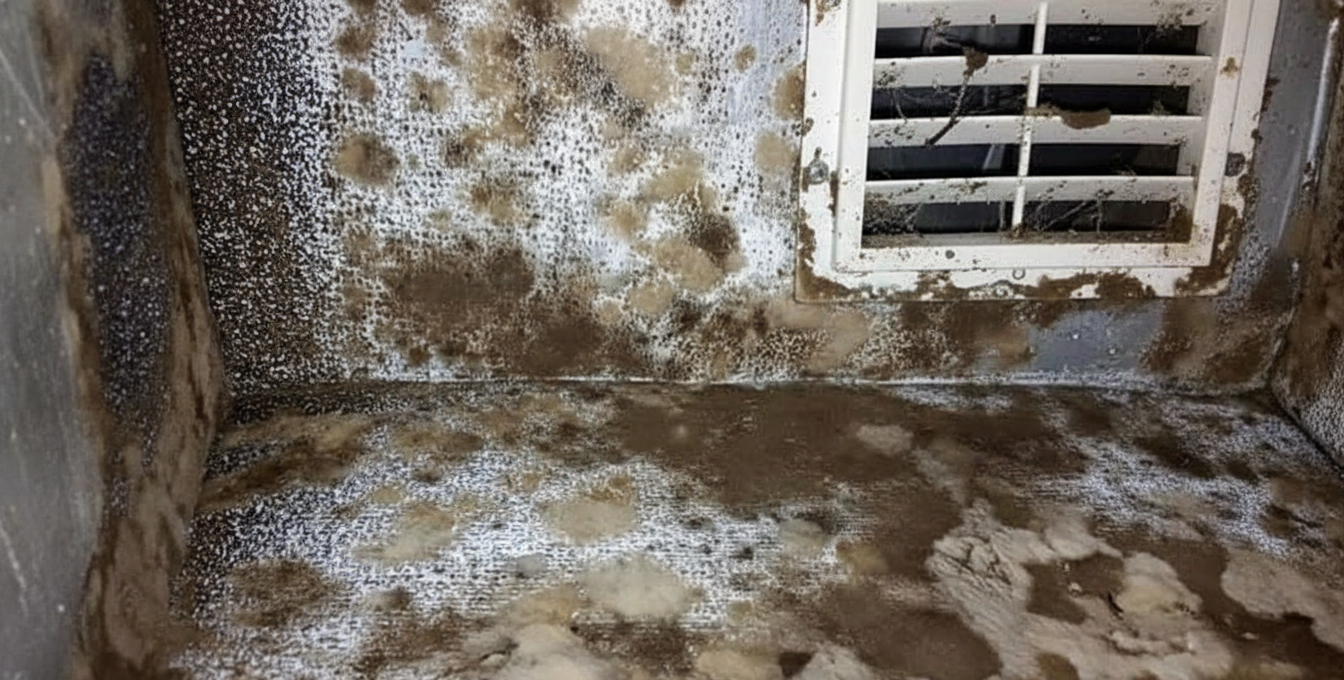
Black mold is a common term used to describe certain dark-colored mold species that thrive in damp environments. In commercial buildings, it often appears on drywall, ceiling tiles, carpeting, insulation, and inside HVAC systems.
Mold spores are naturally present in the air, both indoors and outdoors. The problem begins when spores settle in areas with moisture and organic material. In commercial spaces, materials such as paper-backed drywall, wood framing, and ceiling tiles provide ideal surfaces for growth once moisture is introduced.
Even small leaks or condensation can create enough humidity to allow mold colonies to form within 24 to 48 hours.
Why This Happens So Often in Coastal Florida
Buildings near the Atlantic coast experience constant exposure to moisture in the air. High humidity levels remain common throughout most of the year, and seasonal storms bring heavy rainfall that can lead to water intrusion.
Commercial properties in Palm Bay and neighboring communities often deal with:
- Roof leaks after storms
- Wind-driven rain entering through small gaps
- HVAC condensation issues
- Poor ventilation in storage or utility rooms
- Flooding or plumbing failures
Areas like Melbourne, Rockledge, and Cocoa Beach see similar conditions, especially in older commercial structures where insulation and moisture barriers may not meet modern standards.
Humidity alone doesn’t cause mold—but humidity combined with trapped moisture creates the perfect environment.
Common Signs Property Managers Notice First
Black mold in commercial buildings often begins in hidden areas, but there are warning signs that appear early if you know what to look for.
Some of the most common include:
- Persistent musty odors
- Discoloration on ceiling tiles
- Warped or stained drywall
- Peeling paint near baseboards or windows
- Carpet that feels damp or smells musty
- Increased humidity in certain rooms
Sometimes tenants report discomfort or notice odors before maintenance staff detect visible mold. Paying attention to these early signs can prevent larger remediation projects later.
Hidden or Overlooked Sources of Moisture
One of the most important parts of mold prevention is identifying moisture sources that aren’t obvious.
In commercial buildings, mold frequently develops in places such as:
- Inside wall cavities after plumbing leaks
- Beneath vinyl or laminate flooring
- Around rooftop HVAC units
- Inside air ducts
- Behind large appliances or equipment
- In utility closets with poor airflow
Attics and drop ceilings are especially common problem areas because small roof leaks can go unnoticed for months.
Properties in Merritt Island and Viera often experience condensation issues caused by temperature differences between cooled indoor air and hot attic spaces.
Why DIY Mold Removal Usually Fails
It’s tempting for maintenance teams to try cleaning mold using household products or surface disinfectants. While this may remove visible staining temporarily, it rarely solves the underlying issue.
DIY attempts often fail because:
- Moisture sources remain active
- Mold roots penetrate porous materials
- Spores spread during improper cleaning
- Hidden colonies remain untreated
In commercial environments, improper handling can also spread contamination through HVAC systems or adjacent rooms.
True remediation requires identifying the source of moisture, removing affected materials when necessary, and ensuring proper drying before rebuilding or restoring surfaces.
Professional Mold Inspection and Testing Explained
A thorough mold inspection goes far beyond looking at visible areas. Moisture detection tools, infrared imaging, and air sampling help identify problems that cannot be seen with the naked eye.
A professional inspection typically includes:
- Moisture mapping of affected areas
- Identification of water intrusion sources
- Air quality sampling when necessary
- Examination of HVAC and ductwork
- Evaluation of building materials
This process helps determine how far contamination has spread and what remediation steps are required.
Commercial properties in Titusville and across Brevard County often require this level of assessment to ensure mold is fully addressed and does not return.
The Proper Mold Removal and Remediation Process
Effective remediation follows a structured approach designed to remove mold safely and prevent recurrence.
The process generally includes:
- Containment of affected areas to prevent spread
- Removal of contaminated materials when necessary
- Cleaning and treatment of structural surfaces
- HEPA filtration and air cleaning
- Drying and moisture control
- Final inspection to confirm conditions are stable
Each building requires a customized approach depending on construction type, materials, and the extent of damage.
Flood Restoration and Water Damage Repair
Water damage is one of the leading causes of mold growth in commercial properties. Flooding from storms, plumbing failures, or roof leaks can saturate flooring, insulation, and walls quickly.
Proper restoration involves:
- Rapid water extraction
- Structural drying
- Dehumidification
- Removal of unsalvageable materials
- Monitoring moisture levels until stable
Drying is one of the most critical steps. If materials remain damp, mold can begin growing again even after cleaning.
Air Ducts, AC Systems, and Mold Growth
HVAC systems play a major role in both preventing and spreading mold. Condensation in ducts, clogged drain lines, and dirty coils can allow moisture to accumulate inside the system.
When mold develops in ductwork, spores can circulate throughout the building, affecting multiple rooms at once.
Routine duct cleaning, drain line maintenance, and humidity control help reduce this risk significantly.
Commercial buildings with large cooling systems should have HVAC inspections performed regularly, especially before peak summer months.
How to Prevent Mold in Commercial Buildings
Preventing mold is always easier and less costly than remediation. Property managers can reduce risk by focusing on moisture control and regular inspections.
Key prevention steps include:
- Inspect roofs and flashing after storms
- Repair leaks immediately
- Maintain HVAC systems regularly
- Monitor indoor humidity levels
- Ensure proper ventilation in storage areas
- Check plumbing and drainage systems
- Replace stained ceiling tiles promptly
Dehumidifiers and improved airflow can make a major difference in areas prone to dampness.
Preventive maintenance plans are especially valuable in coastal regions where humidity is a constant factor.
Why Local Experience Matters
Every region has its own environmental challenges, and coastal Florida properties face conditions that differ from inland buildings.
Professionals who regularly work in Satellite Beach and nearby communities understand:
- Salt air corrosion affecting building materials
- Storm-driven rain patterns
- High seasonal humidity
- Construction styles common in Brevard County
- HVAC demands unique to the climate
Companies like Palm Bay Mold Removal have experience handling these exact conditions across commercial and residential properties, which helps ensure inspections and remediation plans address real local risks rather than generic assumptions.
A Calm, Practical Next Step
If a commercial building shows signs of moisture or mold, the best approach is to act early. A professional inspection can identify problems before they expand into larger, more expensive repairs.
Routine maintenance, moisture monitoring, and timely repairs go a long way toward protecting both the building and the people who use it every day.
Black mold may be common in humid climates, but with proper inspection, remediation, and prevention strategies, long-term damage can often be avoided.